| OCR Text |
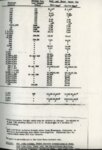
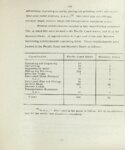
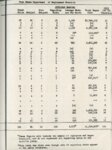
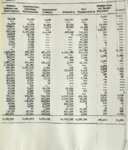
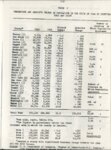
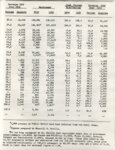
Show 86 scale fully integrated steel plants began operation ever, these heavily small plants on were plant in the West the Pacific Coast small and prior as early portion satisfied by steel at the start of World War II and in 1951. In ingot capacity 1941, there located' in Colorado and Utah, which had produce 971,800 net tons of pig counted for a plants. five blast furnaces, to How , could be products Table 16 shows the Western furnace and steel existing s Consequently, only of the Western demand for steel and its existing I the 1880 as quite widely dispersed, and relied local scrap for their furnace charge. on Steel to World War II. iron were capacity a These furnaces annually. 1.6 per cent of the total U. S. blast furnace capacity ac in that year. In '2,339,970 1941, annual steel ingot capacity Colorado accounted for 1,127,850 tons of such cap net tons. acity, California 1,014,720 tons, tons. This Western in the Western States totaled and ingot capacity Washington was the ba.Ianc e of 197,400 2. V per cent of that then in ex istence in the United States. The pre-war reliance of Western Steel Mills on.scrap is well illustrated by the fact that scrap accounted for of the total steel furnace relationship of cantly altere d pig charge iron to steel by expansions 28Grether, et in and approximately pig iron only ingot capacity 15 per al., OPe cit., p. 95. cent.28 in the West capacity during the war 85 per cent was and This signifi- post-war |