| OCR Text |
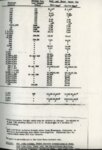
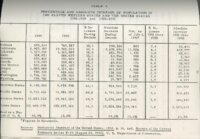
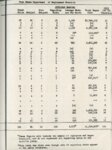
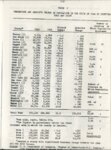
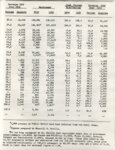
Show 75 Difference s in rlative population density extent of economic population, differences result in a in distribution of Nevertheless, activity .. serve activity thin a a not that square mile of land a very for related to goods of productive to a and services. distribution of uneven to the factors, often high population density usually points there is area Immobility and other directly greater development of productive capacity Table 10 shows rough'i'Htiex a region. reproduction rates, population as population between the West and most other areas per of the nation. With the exception of Western States have ern States few relatively a comprised a over area In that year there (gross, including the national average. down to Nevada were The eleven West area of the United country's population in by water) in the United States. the Pacific Coast and Mountain States was The other states (I. 5). Coast, the 50. 7 persons per square mile of land California 5.9, respectively. the Pacific population. cent of the sections covered Comparative figures for and sparse on 40 per cent of the land States, but contained only 13 per 1950. areas the only ranged Western State were 45.3 exceeding Was}_1ington (35. 6) from Utah contained 8.4 persons per square mile in 1950. The distribution of a fair barometer of the Usually, a portion of iarge the population degree between urban and rural of economic concentration of population deriving population activity within in urban its Li veIihood from a areas areas is region. indicates the manufacturing, |