| OCR Text |
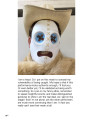
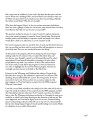
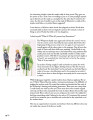
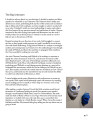
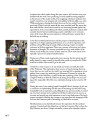
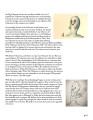
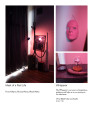
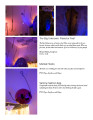
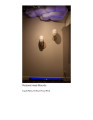
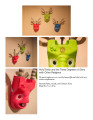
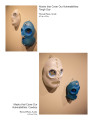
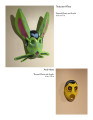
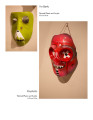
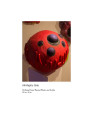
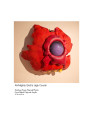
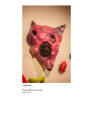
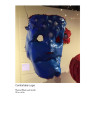
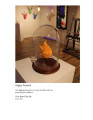
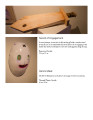
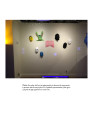
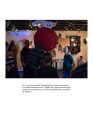
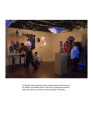
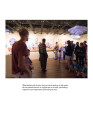
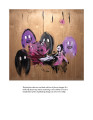
Show pg 8 This state of cluelessness turned out to be a good thing. It propelled me as I spent the first year of the program exploring and researching to find direction. There were times, however, that I fell into a trap of delusional storytelling as a way to fit in- like when I made a mask with a squirrel on top. Masterful. Looking back, I see that was a time in which I was engaged in a lot of mythmaking. To me, myths are something I tell myself as a way to figure out what is hard to for me to understand. Mythmaking is how I interpret the world. In the book, Mythologies, the author, Roland Barthes, explains that myths are a type of speech, and can be whatever words we assign to an object2. My interpretation of the world can have many storylines and narratives, depending on the influence of others or the meanings that I assign to my experiences and the objects I encounter. While researching masks and studying the history of African masks, I discovered that myth and mask can be seen as synonymous. My research also illuminated limitless directions that I could take my art by using masks. Acting in a way similar to a guide, the book, Persona; Masks of Africa Identities Hidden and Revealed by Anne-Marie Bouttiaux,3 helped contextualize African masks in a way befitting of my research. This book has had great influence on the direction I have chosen to take my work, particularly on the topic and study of personas. When contextualizing the African mask, we must also note its logic. The mask and its history, its origin, reveals its intended purpose in the way it is made. The materials that crafted it, and the symbols adorning the mask, were used and chosen according to their spiritual significance, giving the masks the power to fulfill the narratives specific to each tribe and culture. The masks act as a representative of the unseen spiritual world, as much as a representation of the person underneath the mask. They were a persona, a performance, a character, a character represented, a character embodied during rituals that required a mask to be worn. Discovering the concept of persona gave me an "a-ha!" moment. I asked myself what my persona might look like if I were to make a mask representing my surroundings, materials, symbols, and beliefs. I began making masks with discarded materials such as sticks or common thrift items, like baskets. It was quite exciting, and I was pretty jazzed with this direction. These masks were very much influenced by my study of African tribal masks, and were given similar narratives. The squirrel mask's narrative, for example, would give me the power to listen to good critiques, and discern and ignore blabbing opinions. |