| OCR Text |
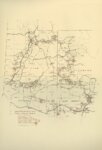
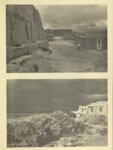
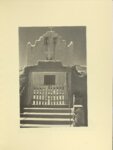
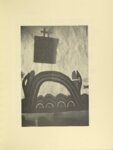
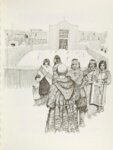
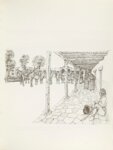
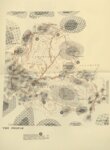
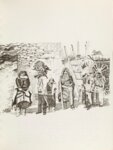
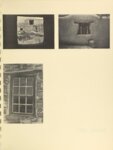
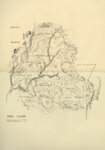
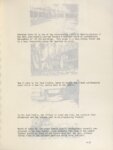
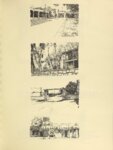
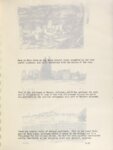
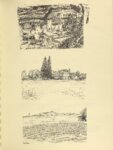
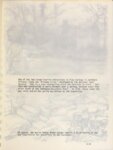
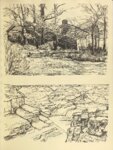
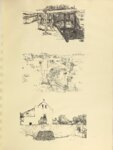
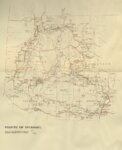
Show POINTS OF INTEREST ALONG THE DOMINUEZ-ESCALANTE TRAIL Zuni Pueb 10 Zuni is an essential part of understanding the Dominguez-Escalante Expedt ti on. Th is is the home of four members of the expedi ti on, particularly Fray Escalante the pastor of the Franciscan Mission here in 1776 when it was the western outpost of Spanish rule in the south west. Here, Coronado began his search for the Seven Cities of Cibola in 15400 Zuni has the longest history of contact with the Spanish and yet has preserved much of its culture, a beautiful blend of two traditions best seen in the colorful murals inside the mission walls. Nearby ;s E1 Morro National" Monument, a massive sandstone mesa covered with Indian petrogylphs and early Spanish inscriptions. El Malpais (The Bad Land) A broad valley of lava flowed crossed by the Dominguez-Escalante Expedition. Here the Bureau of Land Management has built exhibits and trails to give this visitor a sense of the hardship the padres went through as they passed this lava flow. Evidence of Anasazi life, to the back time of be seen here. can Christ, dating Gallup and Window Rock Centers of Navajo culture. At Gallup, the Navajo's adjustment to modern life can be still graphically seen in this rough railroad town, one of the famous stops on "Route 66.11 To the north is Window Rock, just across the Arizona border. This tribal headquarters holds annual fairs and art exhibitions where the Navajo culture can be fully appreciated. Here also is the Navajo Tribal Museum. Southern Pueblos Acoma, the sky city, is a fortress village more than 800 years old, perched high above the steep cliffs of a mesa. Laguna, just off Interstate 40 near Grants, provides tourists with several colorful harvest and social dances and festivals Al throughout the year. buquergue Visit 1l0ld Town," the pleasant early Spanish plaza that survives as a wen preserved oasis amidst the skyscrapers and automobiles of this modern ct ty. Here are many shops and restaurants that reflect the flavor of Spanish and Indian life at the time of Dominguez and Escalante. Pueblos of the Rio Grande River Valley the adobe wa lled vi 11 ages that Coronado fi rs t saw in his of 1540, searching for the Seven Cities of Cibola. Though conquest the pueblo's style of Indian architecture can be seen as far west as the Hopi Mesas of northern Arizona, a concentrated group of pueblos are within a convenient day's journey near Santa Fe. San Juan Pueblo, center of the earliest Spanish rule, now serves as the center for the These are H-6 |