| OCR Text |
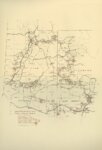
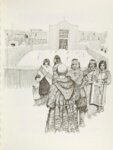
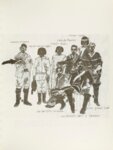
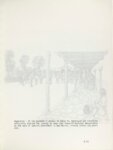
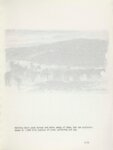
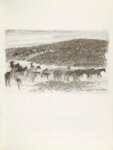
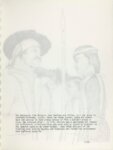
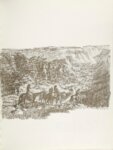
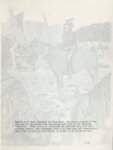
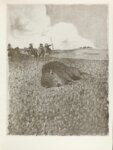
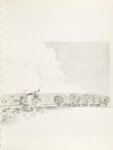
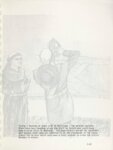
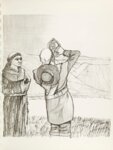
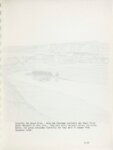
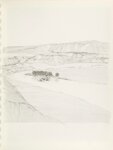
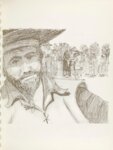
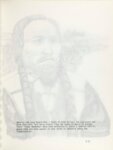
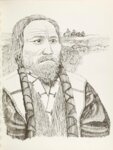
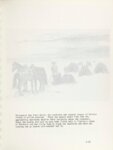
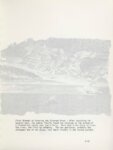
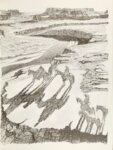
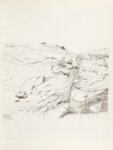
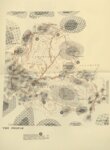
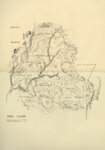
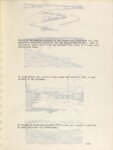
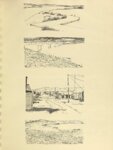
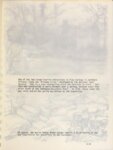
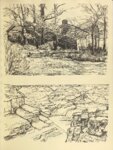
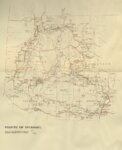
Show Silvestre became their guide as they came off the Grand Mesa to cross the headwaters of the Colorado River, a minor obstacle at this point, compared to the gigantic barrier it becomes further south. Here, a conflict between the young padres' faith and their Spanish companions' fear began to develop, one that would grow worse. The more experienced travelers such as Miera felt strong distrust of the Ute guide Silvestre who might be leading them into a ambush. Silvestre began to take the group further north, closer to danger, because he wanted to ford the Green River near Jensen, Utah, which, unknown to the Spaniards, was the only suitable place to cross this dangerous obstacle. The padres, however, prevailed over the others and urged them to trust God (and Silvestre) to get them through safely. Near the Green River, with no evidence of an ambush and with ample a buffalo hunt, the group began to feel safe again. At crossed the Green the first present-day Jensen, they River, major obstacle to the Spaniards, but only a trifle compared to the crossing of 'the Colorado two months away. But now another danger -met them. As they continued west towards the Wasatch Mountains, the padres found several tracks of horses and men, most likely Utes, although it was IlComanche" country. But, of course, the Spaniards were prepared for the worst, since enemy raids had been common in this area, according to Silvestre. From close study, the tracks seemed to indicate a group waiting in ambush behind rocks on the bluffs. Though the Spaniards had faith that God would protect them, they were afraid that their horses might be stolen, a common occurence in Ute territory. Whiffs of smoke seen in the foothills of the Uintah Mountains fed their fears. Also, Silvestre's behavior didn't help. He began to lag behind at times, sleep apart from the rest of the group, and to lead them aimlessly as if to play into the hands of -the enemy. However, as the Spaniards came closer to Silvestre's home in the Utah Valley beyond the Wasatch Mountains, they were gradually convinced of his innocence. Perhaps he was just playing it safe in order to escape if an ambush came. meat from Near present-day Randlett, Utah, the Spaniards 'discovered ruins of an ancient pueblo, almost completely collapsed and barely above ground. Although Escalante described the location of this site quite carefully, The ruins were modern archaeologists have failed to rediscover it. circular like the Anasazi pueblos of Bandelier National Ionument near I f these can be found and veri fi ed as Anasazi, they woul d Santa Fe. be the first found outside the Four Corners region, almost'200 miles north of Mesa Verde. Soon, in early September, the missionaries reached the east foothills The of the Wasatch Mountains, almost out of danger 'from enemY raids. climb down through the pass, now known as Spanish Fork Canyon, cut Since across tortuous arroyos, thick underbrush, and rocky slides. detours or make often had to climb through winding canyons, they ridges their progress was slow and difffcult. Finally, from the top .of the last ridge they saw smoke signals from Utah Valley. Though Silvestre felt that his people were simply out hunting, the Spaniards felt these To avoid being may have been warnings of the group's approach. E-3 |