| OCR Text |
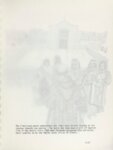
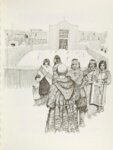
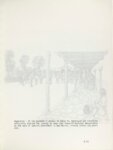
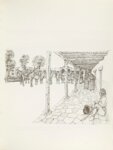
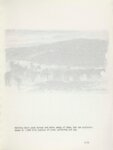
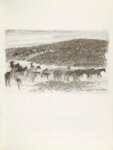
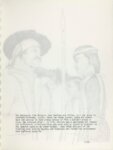
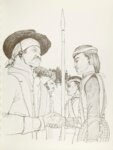
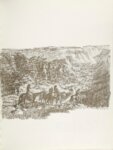
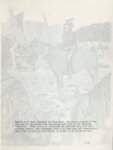
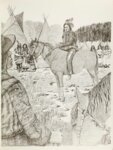
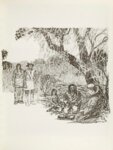
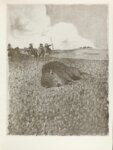
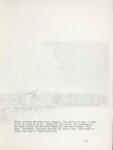
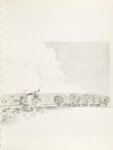
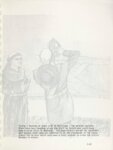
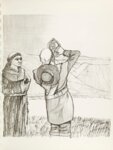
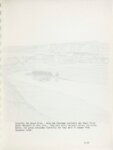
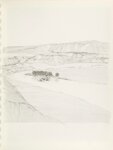
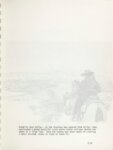
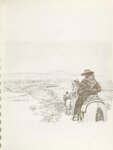
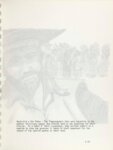
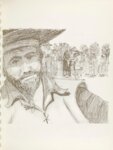
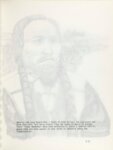
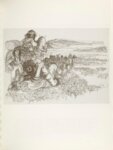
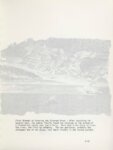
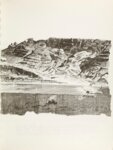
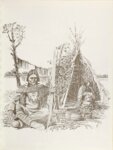
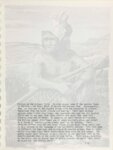
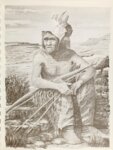
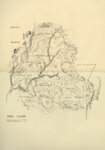
Show mistaken for hostile people (and being welcomed with arrows) the mission aries sent out their own signals. They camped for the night above Utah Valley, with Silvestre on watch, calling out messages in his language that the missionaries were friendly. As it turned out, the Utes had not seen the Spaniards coming. The smoke was from fields being burned to free them of weeds that choked out the edible plants the Utes depended upon. The next day, with Silvestre's help, the missionaries came down into Utah Valley and met the Timpanogos Utes, the first Europeans to do so. The meeting was a happy one for both, with the Indians greatly impressed by the Spaniards' manner and their story of a fabulous place called heaven. For the missionaries, this valley must have had tremendous impact, similar to the feeling Brigham Young had upon reaching the Salt Lake Valley. After almost 1,000 miles of rugged territory, mountains, canyons, and hostile Indian country, this broad valley surrounding a large lake with peaceful Indians on its shores was a welcome sight. Here was an ideal location for a mission that could support all the pueblos of New Mexico with ample farm lands that could be irrigated from the several mountain streams feeding the lake. Ample timber and firewood were available in the canyons of the rugged Mt. Timpanogos, as well as fish and sma 11 In addi ti on to thi s, there were many places of good game. for cattle, pasturage sheep and horses. Miera, in particular, saw Utah Valley as a great location for a presidio of Spanish soldiers that could protect these gentle people from the Shoshone raiders of -the north. The mi ss i ona ri es were moved by the eagerness of -the Tt mpanogos Utes to become Christians and promoised they would return next year to start a mission here. If they had been able to come back (many circumstances prevented it) then the history of Utah would certainly have been much different. Present-day Provo would have an architectural flavor similar to Santa Fe and would probably have been the cultural center of Utah. The Mormons may not have settled in Salt Lake Valley at all, since they were seeking a land promised by God for themselves alone. For the Utes, the sudden appearance of a group of people completely unlike their surrounding enemies must have been strange Stranger still, would be the padres' story of heaven and hell. It must have been hard to believe that these strangers had come only to save Ute souls and to protect them from their enemies. Any distrust the Indians may have felt disappeared when Silvestre praised the Spaniards highly and Joaquin displayed great affection for the priests. Indeed, the boy wanted to return with them to Santa Fe rather than stay home. The Timpanogos finally accepted the Spaniards as genuine saviors and gave them a token, painted on a hide, to display their acceptance of Christianity. The docile Utes promised to live their lives as the Spaniards taught them and even offered all their land to the padres to build homes wherever they wanted. .. idea of the territory to the west towards another guide, who the Spaniards renamed Jose ronterey, they supplied make to Maria, inquiries among nations to the south about a help Before leaving the Utes, Escalante recorded a west. route possible Although the Utes had no E-4 |