| OCR Text |
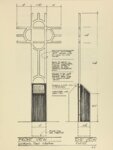
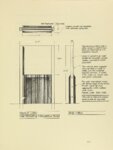
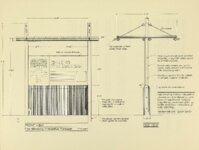
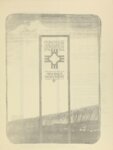
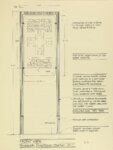
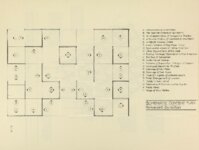
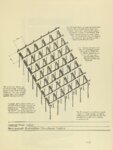
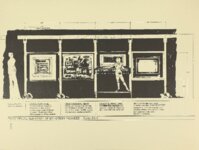
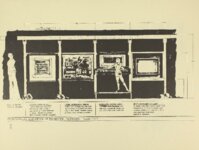
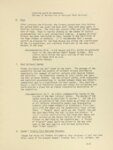
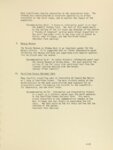
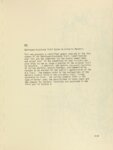
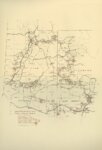
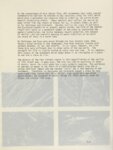
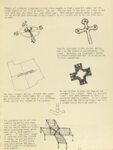
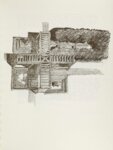
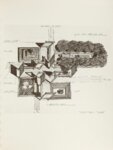
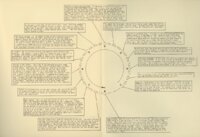
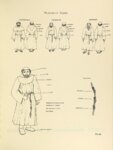
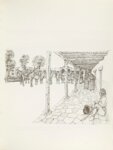
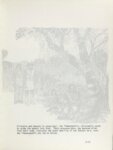
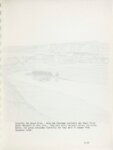
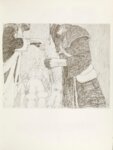
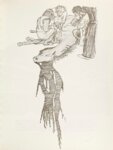
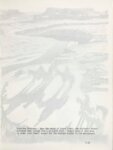
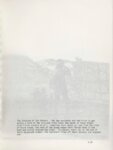
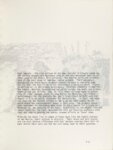
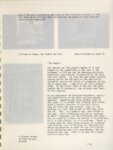
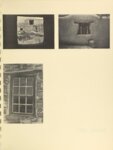
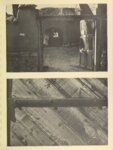
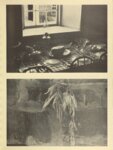
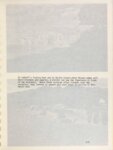
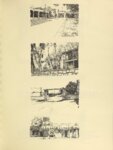
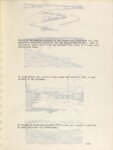
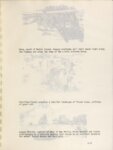
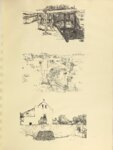
Show In this sketch, the roof of the shelter has been removed so that we see the inside panels a little more closely and observe the method It can be which a visitor would enter and experience the shelter. by seen that you can enter from each of the four corners of the compass, and upon entry, the visitor faces a small panel which would contain general information about one of the four subjects displayed in the shelter. can As he turns left from this panel, he encounters a larger panel which would contain information of a specific nature regarding that same subject but having to do with this particular site as compared with The four subjects which should be other possible sites on the trail. covered would be: 1) The DIE story. The smaller, generalized panel would give an outline of the entire story, and the large panel would describe the details of the story as it occurred in the vicinity of this particular shelter. 2) The next section would be organized the 3) The next panel same, but would describe the land or the geology. would describe the people (primarily the Indians) who were living in this area at the time of DIE which, incidentally, is one of the impor tant aspects of the DIE Expedition because our knowledge of Indian distribution in 1776 is based on information contained in the DIE diary. 4) The fourth grouping of panels would contain information regarding tourist attractions, first of all along the entire trail The and specifically in the area nearby the shelter in question. but related tourist attractions mentioned are not necessarily DIE the general includes other tourist attractions, so as to encourage into taking their family vacations along the DIE trail in 1976. public little closer at a refined version of the shelter con cept, then we can see how this structure could be developed into a very pleasing spot to rest and find information about the Dominguez-Escalante The structure, itself, which forms the familiar cross that we have Trail. been talking about, also forms four spaces just outside the cross which water (a could define four symbolic facilities needed in the shelter: If we now look a drinking fountain), fire (a barbeque pit), a symbolic pasture (grass or ground cover), representing the forage that Dominguez and Escalante would have sought for their animals, and a grove of trees (shaded picnic area), which would represent the windbreak that they would have also sought for themselves. C-5 |