| OCR Text |
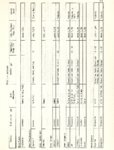
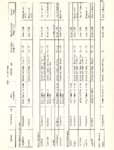
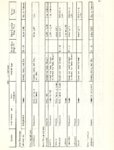
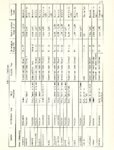
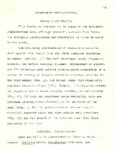
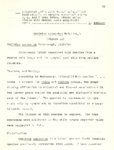
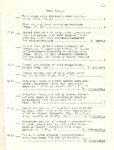
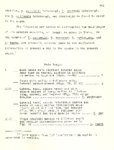
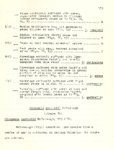
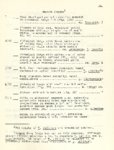
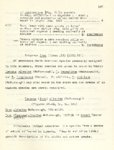
Show 164 Nymphsl Mature 1 Well developed paired tubercles present on abdominal terga 1-9 (Fig. 100) ••••• • • • • • • • • • • • • • • • • • • • • Abdomen without well • • • • • • • • • • • • • •• sg. Ironodes, 3 •••• 2 developed paired tubercles although single row of small tubercles may be present (Figs. median 62, 99) 2(1) ..•.•••••..•..••••••••••.••••••••••. Abdominal of , terga with dense median row body color blackish-brown; setae; abdominal gills usually dark purple sg. Ironopsis, . grandis terga with median row of setae poorly defined (Fig. 62); body color pale to brown; abdominal gills usually pale ventrally sg. Iron, 4 ventrally ••••••••••••••• Abdominal absent or .••••••.•••••••• 3(1) Body dark darkened -.- reddish-brown on Body blackish-brown dorsally; unicolorous 4(2) dorsally; apical one-third Abdominal tubercles tarsi tarsi .•••••••••.•••••••••••• terga with (Fig. 99) Abdomen without small . flavipennis rounded median •••••.••••••••.•• tubercles . nitidus2* ••••••••• (Fig. 62) . (Iron) s p ••.•••••••••• , 5 on abdominal segment 1 not extending anteriorly beneath body; postero-lateral projections on segments 1-7 well developed, anterior spines much longer than posterior . albertae spines (Fig. 101) 5(4) Gills •••••••••••.••••••••. Gills on abdominal anteriorly lThe nymphs of 2Nymphs Traver beneath . from Idaho (1935a) provides segment 1 extending body (similar to those dulciana are presently unknown. Although key out as this species. a key to separate . nitidus and . flavipennis, the nymph of E. nitidus is believed to be presently undescribed (see-discussion of . nitidus). |