| OCR Text |
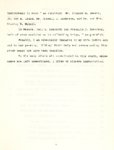
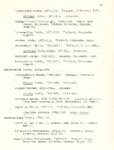
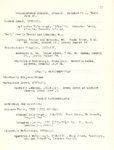
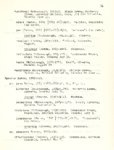
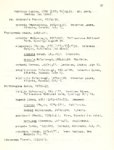
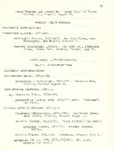
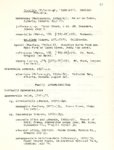
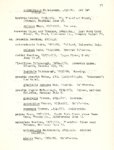
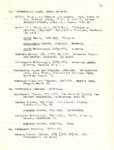
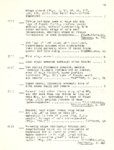
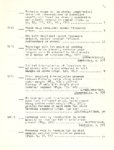
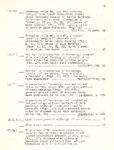
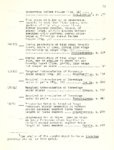
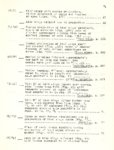
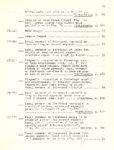
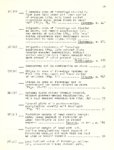
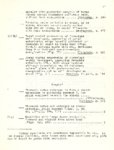
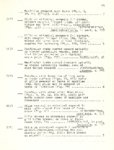
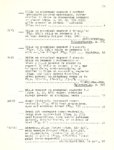
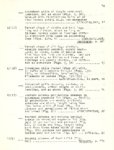
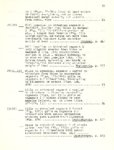
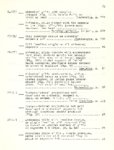
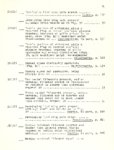
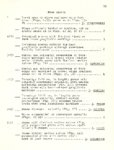
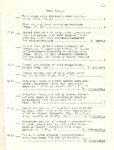
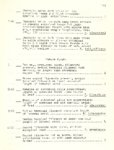
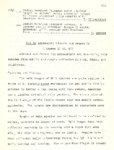
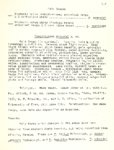
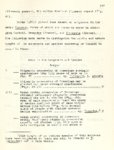
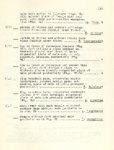
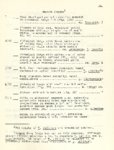
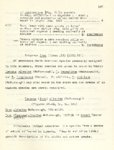
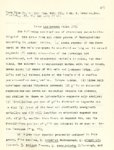
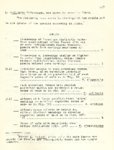
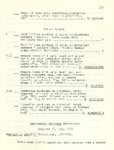
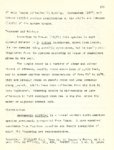
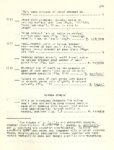
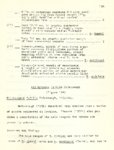
Show 80 Abdominal --- gills of single semi-oval lamellae, not as above (Figs. 3, 30), usually with fibrilliform tufts at or near bases; labial palpi two-segmented • 12(10) • • • • • • • • • • • • • • • • • • • • • • • • • • • • HEPTAGENIIDAE, •• 17 Tarsal claws of middle and hind legs long and slender, about as long as tibiae; tarsal claws of forelegs differ in structure from those on succeeding legs (Figs. b) 119a, AMETROPODIDAE, Ametropus, p. 201 ••••••••••••• Tarsal claws of all legs similar, usually sharply pointed, rarely spatu late; hind tarsal if legs never long as forelegs ent 13(12) --- are are claws of middle and slender, and long as tibiae and they are those of not differ- merely shorter, (Figs. 3, 30) in structure ••••••••••••••• Abdominal gills forked (Figs 127-129), in tufts with margins fringed (Figs. 130131), or bilamellate, terminating in filaments or points (Figs. 125-126) LEPTOPHLEBIIDAE, in part, 13 •.•. •••••••••••••••••••• 22 Abdominal gills obovate, cordate, or semi-cordate, either single or double lamellae, not as above (Figs. 3, 30) l4( 13) ••••••••• and proad (Fig. 21) ••••••••••• SIPHLONURIDAE, 25 Postero-lateral projections usually absent on abdominal segments 8-9 (Fig. 30); if projections are produced (Fig. 48), antennae are long, length being more than three times width of head (Fig. 30); glossae and paraglossae of labium long and narrow (Fig. 40) BAETIDAE, ••• 15(4) 14 Postero-lateral projections present ,on abdominal segments 8-9 (Figs. 3, 26-27); if projections are weakly produced, antennae are short, length being less than twice width of head (Fig. 3); glossae and paraglossae of labium short Frontal --- 200) process of head bifid 27 (Fig. ••••••••••••••••••••••••••• Ephemera, p. 286 |