| OCR Text |
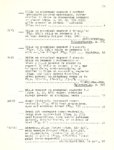
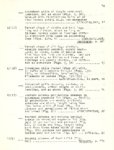
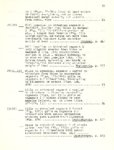
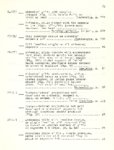
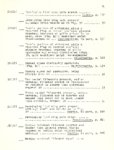
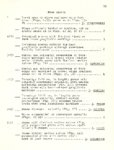
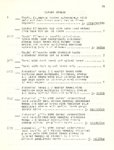
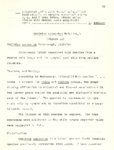
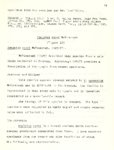
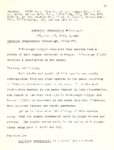
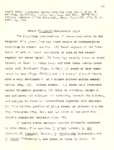
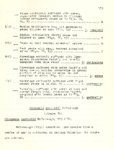
Show 124 abdominal sterna pale, gressively brown each sternum pro stippled with light less spots than preceding, very little stippling beyond 4(2) Abdominal terga occurring in sternum 7 •••••••••••••• Q. doddsi in Fig. 42; species mountains, and mountain valleys usually above 4,500 feet as canyons, •••••••••••••••••••••••••••••• Q. coloradensis Abdominal terga as in Fig. 43; species in valley bottoms and exposed foothills usually below elevations of occurring 5, 000 5(1) feet with 20-35 HI (Fig. 34) crossveins 50-65 crossveins Forewings vein ve Ln HI with c. nigri tus C. montanus behind •••••••••.••••••••••• Forewings 6(5) •••••••••••••••••.•••••••••• behind •••••••••••••••••••.•.•••••••••••.••••••• 6 Segments of caudal filaments banded with brown or fuscousj species occurring in valley bottoms and exposed foothills usually below elevations of 5,000 feet ••• • • • •• • • • • • • •• • • •• • • • • • • • • • •••• •• • • • •• •• Q. nigri tus Segments of caudal filaments unbanded; species occurring in canyons, mountains, and mountain valleys at elevations usually above 4,500 feet •••••••••••••••••• Q. coloradensis Nymphs 1 Caudal filaments with broad band of fuscous across middle, apical to band filaments very thin, with only scattered hairs •••..•••••••••••••••••••••••••••• Q. montanus Caudal filaments unbanded, evenly tapered, with fringe of hairs present almost to apex 2(1) ••••••••••••••••••••••••••.•••••••..•••••••• 2 of valley Species occurring in pools bottoms and exposed foothills usually below elevations of 5,000 feet •••••••• C. nigritus |