| OCR Text |
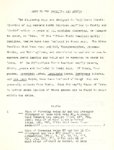
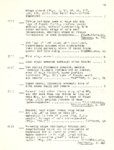
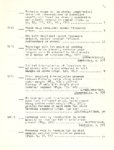
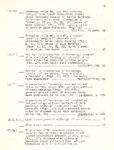
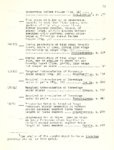
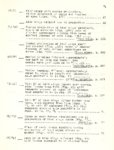
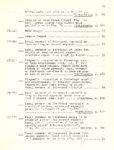
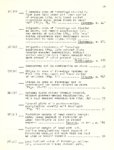
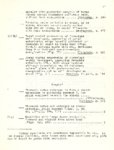
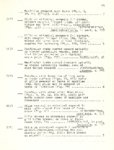
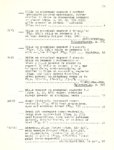
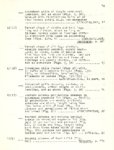
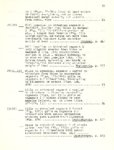
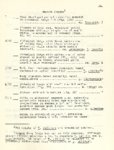
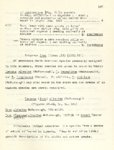
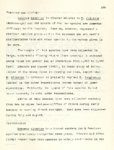
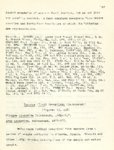
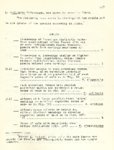
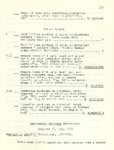
Show 70 wings absent (Figs. 5 - 32, 60, 64, n8, 122, 155, 219); hind tarsi _four- or fivesegmented ..•• 2(1) 0 • • • • • • • • • •• • • • • • • • • • • • • • • • • • • • •• 3 Middle and hind legs of male and all legs of female feeble, nonfunctional; abdomen pale, without contrasting dark color pattern; wings of male semitranslucent, whitish; wings of female translucent or semitranslucent POLYMITARCIDAE, ••• Ephoron, All of legs functional; dark 3(1) 4(3) p. 293 well developed, abdomen with contrasting pattern; wings of imago transboth sexes parent color and glistening Hind wings absent Hind wings present although often minute .••••••.••• 13 EPHEMERIDAE, ••••••••••••••••.••••.••••••• 6 Two caudal filaments present, median terminal filament rudimentary or absent; eyes of male divided, upper portion turbinate (Fig. 38); eyes of female small and remote BAETIDAE, in part, 14 ••••••••.••••••• Three both 5(4) caudal filaments present; eyes of small and remote .•••.•••••••••••.•• sexes General and IMP vein 4 5 color black; wing veins MP2 less than two-thirds as long as MP1, not extending to base of wings (Fig. 193); genital forceps of male body three-segmented •••••••••••••••••• TRICORYTRIDAE, Tricorythodes, ---- p. 281 color brown; wing veins IMP as long as vein MPl, extending to base of wings (Fig. 213); genital forceps of male onesegmented. General and body MP2 (Figs. 216-217) 6(3) ••••••••••.•••••••.. GAENIDAE, 19 Forewing shape distinctly triangular; longitudinal veins and intercalaries of forewings mostly fused or absent so there appears to be eight longitudinal veins; crossveins greatly reduced in number (Fig. 59) OLIGONEURIIDAE, Lachlania, p. 145 •••••••••••••••• |