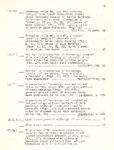
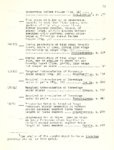
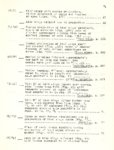
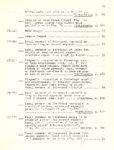
| OCR Text |
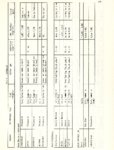
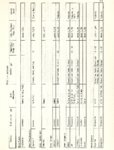
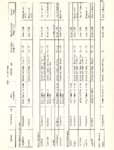
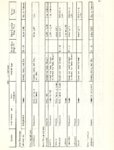
Show 73 crossveins •••• 0 ••••• before 0 •• 00 (Fig. 34) bullae ••••• 0.0 ••••• •... Callibaetisl, p. 122 Hind wings witfew or no crossveins, usually no more than five; costal pro jection of hind wings never blunt, either sharply pointed, hooked, or (Figs. 49-57); absent abdomen without color pattern; costal cross veins of forewings absent before speckled 16( 15) bullae (Fig. 31) Costal projection .•.•••••••••••.••••.••••...•• 16 of hind wings broadly acute at apex, giving hind wings characteristic shape (Fig. 57) based, ••••••.. ••••••••••••••••••••••••••• Dactylobaetis, p , 139 Costal projection of hind wings vari able, may be similar to above but not broadly based (Figs. 49-56), hind wings not 17(16) shaped as above •••••••••••••••••••••••••• intercalaries Marginal occur singly (Fig. of forewings Centroptilum, p. 131 Marginal intercalaries of forewings in pairs (Fig. 31) occur Baetis, p. 108 Cloeon, p. 137 forewings Pseudocloeon, p. 141 as broad as long; widely separated on venter; second antennal segment three times length of basal segment Brachycercus, p. 296 Prosternum two or three times as broad long; forecoxae close together on venter; second antennal segment twice Caenis, length of basal segment p. 298 36) •••.• ••••••••. 18(14) Marginal intercalaries occur singly of Marginal intercalaries occur in pairs of forewings ••••••••••••••••••••• ••••••••••••. 19(5) 17 Prosternum twice forecoxae •••• as •••••••••• IT he adults probably key out as of the nymphs this genus. keyed to Genus incertus |