| OCR Text |
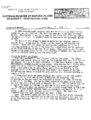
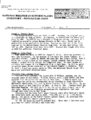
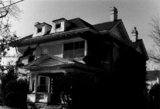
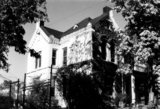
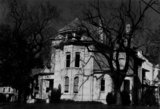
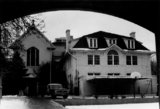
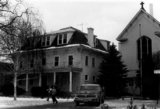
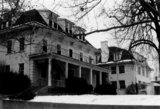
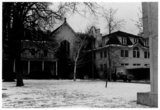
Show Form No. 10-300a (Hev. 10-74) UNITED STATES DEPARTMENT OF THE INTERIOR NATIONAL PARK SERVICE NATIONAL REGISTER OF HISTORIC PLACES INVENTORY « NOMINATION FORM CONTINUATION SHEET ITEM NUMBER PAGE Joseph L. Rawlins House The Joseph Rawlins House was built in 1887. Rawlins, the original owner, is significant in Utah politics. An attorney, he helped form the Democratic party in 1894. In 1893 he was a delegate to Congress and was instrumental in legislation passed to return Mormon property to the L.D.S. Chruch and to enable Utah to be admitted to the Union. Rawlins was also one of the first senators to the United States Congress from Utah. He held that office from 1877 to 1903. Rawlins lived here until 1907. Rowland Hall bought this house in 1922 for additional classroom space. Joseph E. Caine House This house was built in 1888 for Joseph E. Caine. Caine was prominent in Salt Lake businesses. He was manager of the Caine and Hooper Company, an insurance company. Sidney E. Hooper was president and Caine's father, John T. Caine, was vice-president of the company. Joseph resigned that position to become a cashier at Utah Savings and Commercial Bank. He later became the secretary and manager of the Commercial Club in Salt Lake. In 1913 he moved to Oakland where he was secretary of the Oakland Chamber of Commerce. When St. Mark's School was opened again in 1956, the Episcopal Church bought this house for additional classroom space. Priscilla Paul Jennings House Priscilla Paul Jennings, the second wife of William Jennings, was the original owner of this house. William Jennings owned a meat market and then expanded into the mercantile business in Salt Lake. In 1869 he built the Eagle Emporium and he was instrumental in the founding of Zions Cooperative Mercantile Institution, the leading Mormon business in Salt Lake City. He was elected mayor of Salt Lake City in 1882. He died in 1886. Jennings built the Devereaux Mansion. For many years it was the social entertainment center of Salt Lake. William and Priscilla entertained the dignitaries that came through Salt Lake City in that house. Priscilla had the house built about fourteen years after William's death. She lived here until she died in 1918. Priscilla was active in the Mormon Church. She served on the Relief Society general board, the governing body for the IDS Church's women's organization. In 1956 the house was sold to Rowland Hall. Since then it has been used as a home for school officials and classrooms. |