| OCR Text |
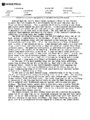
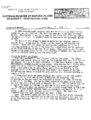
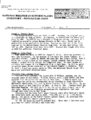
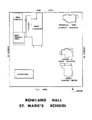
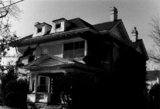
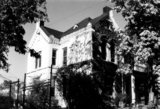
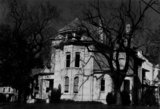
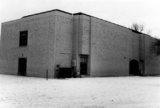
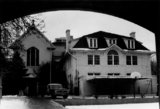
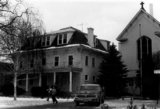
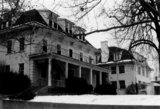
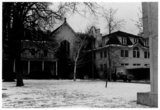
Show Form No. 1O-3OOa (Hev. 10-74) UNITED STATES DEPARTMENT OF THE INTERIOR NATIONAL PARK SERVICE NATIONAL REGISTER OF HISTORIC PLACES INVENTORY - NOMINATION FORM CONTINUATION SHEET ITEM NUMBER PAGE In 1880 Reverend Kirby received title for the property on behalf of his mother-in-law, Mrs. Rowland. The title was then put in the name of Bishop Tuttle. The property is now in the name of the school but if for any reason the school is closed, the property would be returned to the Episcopal diocese of Utah. The George D. Watt-Thomas W. Haskins House was the original home of Rowland Hall. It was used for classes and for boarding the teachers and students. Since 1870 the school has made several additions to the house including opening up the top of the house for a third floor and the addition of two brick sections to the rear of the house. These sections are the same height as the adobe house and the entire building is painted the same color so the brick sections blend in with the adobe house. Classroom Section and Chapel Tnere was constantly a need for more rooms for the school. The school officials made several plans to build on the block but they were never carried out because there were no funds available. In 1900 Felix Brunot, a man from Philadelphia, donated $35,000 to the school. With the new funds, Bishop Abiel Leonard hired an architect, Theodore Davis Beal, to design a new school house. Beal made plans to add a chapel and a classroom building on the original house and by 1906 the plans were ready. Beal suggested that the $35,000 was not enough to finish the work and that the classroom building be completed first. A three-story brick and frame building that appears on the 1898 Sanborn map was probably torn down in 1906 to build the new classroom. The cornerstone of the new school was dedicated on October 17, 1906, by the new bishop, F. S. Spalding. The new building increased the space at the school but left the church school with an enormous debt. In 1909 the school sent out an appeal for money to overcome the debt and to help construct the chapel. The appeal for money was successful and provided enough funds to build the chapel. In 1910 Bishop Spalding signed an agreement with David R. Smith and George A. Smith of Smith Brothers to build the chapel. The chapel was completed that year and a pipe organ was added in 1911. Since 1910 several additions have been made to the rear of the classroom building. Since the additions are to the rear and are painted the same color as the 1906 building, they do not detract from the historic character of the building. |