| OCR Text |
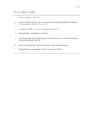
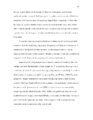
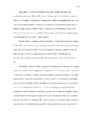
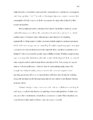
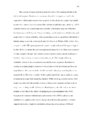
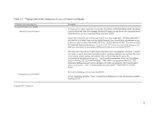
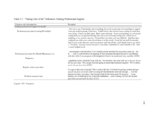
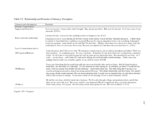
Show 213 or brochures placed in clinic or hospital waiting areas, or inpatient or outpatient exam rooms, are helpful. These materials would acknowledge caregiver burden, and remind them that providers do care how they are doing, even though these providers focus on the care receiver. Posters and/or brochures need to not only acknowledge family caregiver burden, but encourage caregivers to seek their own health care providers for assessment and ongoing support to relieve symptoms of distress early, rather than when caregivers reach the state of being overwhelmed by their caregiving, Patient/family education and support may go a long way to moderate some of the burden these caregivers bear. Providers need to tailor their approach to materials and counseling they administer. Caregiving programs where clinicians, educators, and researchers collaborate to prepare caregivers for their new role is needed. Nurse-run caregiver clinics with nurse practitioners would be ideal to do intake assessments and exams as early after their loved one's diagnosis as possible. A nurse triage hotline for caregivers to access in off-hours could answer caregiver questions about their loved one's symptoms or for themselves. Another option would be a telephone-linked care computerized system to provide support and assessment via self-report of troubling symptoms in their care receiver and themselves, with an alert built in to notify each provider of choice in the dyad. This could be done by also partnering with insurance providers, starting with those who already have nurse ‘hotlines' for members to call. Collaborating with the local branch of the Arizona Agency on Aging would provide referral, information, collaboration, and opportunity for greater resources to all. Funding could be sought from private business and family foundations for seed money for a startup program. Successful programs could reduce health care costs for the system. |