
Contents | 54 of 265












Page 55


| Title | Influences of self-care in the context of caregiving for a spouse with a brain tumor: a theoretical model |
| Publication Type | dissertation |
| School or College | College of Nursing |
| Department | Nursing |
| Author | Honea, Norissa J. |
| Date | 2012-08 |
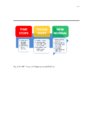
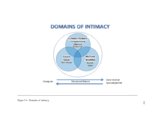
| Description | Attention on an ill spouse usually shifts a caregiver's attention to self-care to a lower priority of concern, particularly when the ill spouse has a primary brain tumor (PBT). This study's aim was to explore the psychosocial processes that shape the personal health behaviors of caregivers whose spouse/partner has a PBT. Constructivist Grounded Theory design provided the analytical tools for participants and researcher to co-construct a theory of self-care within the PBT spousal caregiving context. Thirty-seven participants were either caregivers (n=19), care receivers (n=15), or healthcare providers (n=3) who contributed data through medical records, questionnaires, interviews, and/or focus group discussion. Most caregivers were Caucasian (83%) females (61%), ranging in age from 34-85 years (mean=52.1). Care receivers were aged 52.7 years (mean), diagnosed with PBT 3 months to 13 years (mean =5.0 years) before study entry, and most (78%) experienced at least one episode of disease recurrence with 5 dying of their disease during the study. A trajectory of self-care emerged reflecting a process of three phases through which a PBT caregiver transitions: 1) initially, sensing that time stops, 2) taking steps towards self-care, and eventually 3) a new normal is created where health maintenance, screening, and prevention are addressed. A theoretical model was constructed to explain the influences of self-care within the context of caregiving for a spouse or partner with a PBT. A number of factors influence caregiver self-care performance; however, the basic psychosocial process that explains their motivation for self-care was reciprocating intimacy as communicated through domains of connectedness, touch, and shared values and goals. Caregivers seek to find and fill voids where intimacy is not reciprocated as an attempt to restore ‘wholeness' in their lives.Providers can make a significant difference in caregivers' lives - by listening to and understanding the context of how the PBT affects both members of the spousal/partnered dyad. Tailored messages to caregivers in each stage of the PBT disease trajectory may lessen the burden on a caregiver's health. Research is needed that measures relationship factors such as intimacy in the spousal/partnered relationship and aims interventions at caregivers with greatest risk for negative health consequences. |
| Type | Text |
| Publisher | University of Utah |
| Subject MESH | Grounded Theory; Caregivers; Spouses; Glioma; Brain Stem Neoplasms; Health Behavior; Self Care; Activities of Daily Living; Stress, Psychological; Expressed Emotion; Quality of Life; Psychosocial Support Systems; Health Knowledge, Attitudes, Practice; Sociological Factors; Cultural Characteristics; Adaptation, Psychological; Focus Groups; Surveys and Questionnaires |
| Dissertation Institution | University of Utah |
| Dissertation Name | Doctor of Philosophy |
| Relation is Version of | Digital reproduction of Influences of Self-Care in the Context of Caregiving for a Spouse With a Brain Tumor: A Theoretical Model. Print version available at J. Willard Marriott Library Special Collections. |
| Rights Management | Copyright © Norissa J. Honea 2012 |
| Format | application/pdf |
| Format Medium | application/pdf |
| Format Extent | 1,701,101 bytes |
| ARK | ark:/87278/s63526r8 |
| Setname | ir_etd |
| ID | 1198586 |
| Reference URL | https://collections.lib.utah.edu/ark:/87278/s63526r8 |
Page Metadata
| Title | Page 55 |
| Format | application/pdf |
| Setname | ir_etd |
| ID | 1198641 |
| OCR Text | Show |
| Reference URL | https://collections.lib.utah.edu/ark:/87278/s63526r8/1198641 |