| OCR Text |
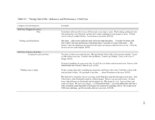
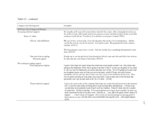
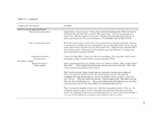
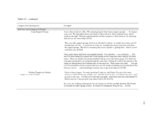
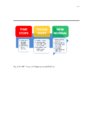
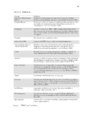
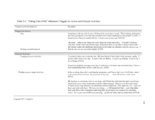
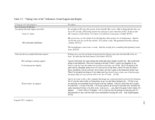
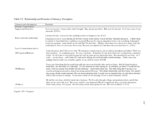
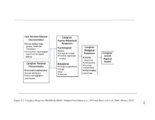
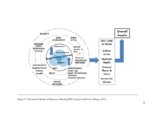
Show 207 PBT Caregiver Trajectory to Self-Care Activities and the accompanying stress involved in caregiving for a CR with a PBT impacts one's health over time, as the caregiving situation becomes chronic. Initially, caregivers reacted to their spouse's/partner's diagnosis of a brain tumor as though ‘time stops' or at least ‘life is being put on pause.' Caregivers lost the context of their own lives when time stopped for them, and they need someone to provide support and caregiving to them. This is consistent with all crises with potential loss. Once the initial shock subsided, some of the caregivers were mobilized to action. Action was demonstrated in securing support and the pursuit of information about the PBT to learn a new role as caregiver. In doing so, this gave one a sense of control over the situation while the uncertainty of the future was frightening. Months or years after the diagnosis, when a daily routine became more apparent, caregivers endeavored to reconnect with their normalcy as they knew it before the PBT. Adaptation to their circumstances required caregivers to reframe their perspective and create a ‘new normal' for themselves, their CR, and family. Usually, this was well beyond the completion of initial treatment. For some caregivers, normalcy or creation of a ‘new normal' was elusive. While many acknowledged self-care activities as ideal, a disconnection between knowledge and action surfaced. The disconnection was between a caregiver's knowledge about taking care of oneself and their behavior in actually doing that self-care. While most caregivers described their health before the diagnosis as relatively good, a number had chronic health conditions they had been managing. Caregivers described their stress responses as changes in energy and sleep, mood (anxiety and/or depression), gastrointestinal complaints, weight change, headaches, and high blood pressure. |