| OCR Text |
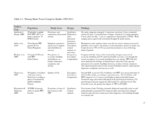
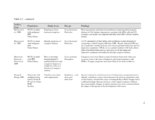
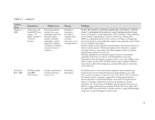
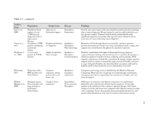
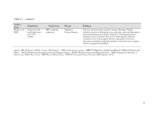
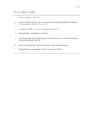
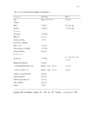
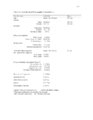
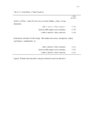
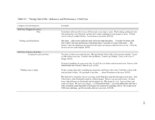
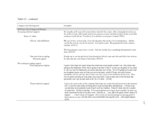
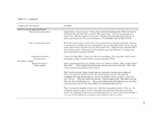
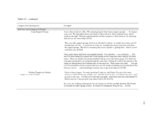
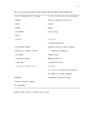
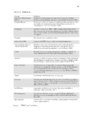
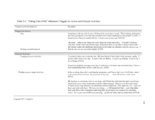
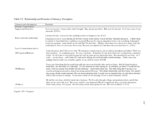
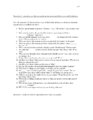
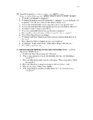
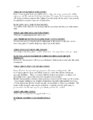
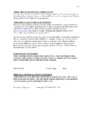
Show 157 Those who shared with others, like coworkers, children, and friends and had activities in place before the diagnosis were better able to continue those activities with modifications related to frequency and/or duration. For those who did not perform such activities before the diagnosis, there was still a recognition that behaviors such as walking and other exercises were healthy and good to do. Many acknowledged that other activities like reading, shopping, and watching movies were relaxing and beneficial too. Two caregivers in exemplars of adapting to lifestyle activity changes (Table 5.7) recognized the need and benefit for physical exercise. In each case, walking is the exercise, basic and simple. One caregiver looks upon the walk as alone time to think, reframing his circumstance where his activity is conscious self-care. The other involves walking motivated by having pets that need to be exercised. The activity is because another needs the walk, yet the caregiver benefits. Whatever the motivation, the result is the same. Exercise is undertaken. The Centers for Disease Control (CDC) recommend adults aged 18-65 years engage in at least 150 minutes of moderate intensity aerobic activities each week that can be done in 10 minute sessions, and muscle strengthening activities at least 2 days each week (CDC, 2010). Exercise such as this should be encouraged in caregivers, modifying a schedule to accommodate it as needed, and is a good self-care to enhance well-being and as a remedy against fatigue, something this sample of caregivers commonly reported after their spouse's/partner's PBT was diagnosed) as in other caregiving populations (Clark, 2002; Gaston-Johansson, Lachica, Fall-Dickson, & Kennedy, 2004; Pinquart & Sorensen, 2007). Support and respite. Participant descriptions of the influence of social support and respite are characterized together as interdependent concepts in this model. Support |