| OCR Text |
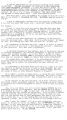
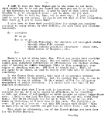
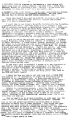
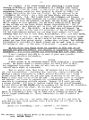
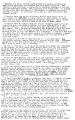
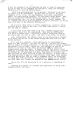
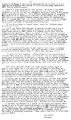
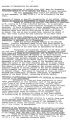
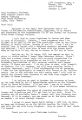
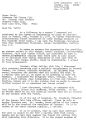
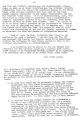
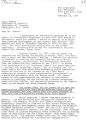
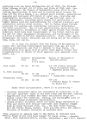
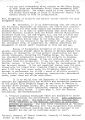
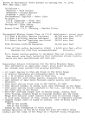
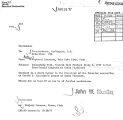
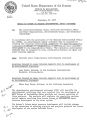
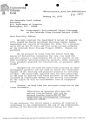
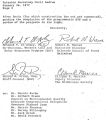
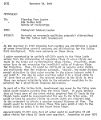
Show evelopment: 89,00 0 acre 48,500 acre 2 8,0 00 acre 3 5,000 acre annual acres feet (1973) feet feet feet Bureau of Reclamation Staff present at meeting Feb. 9, 19 7 8 Salt Lake City, Uxah . Solicitors - Regional - Reid Nielson Assistant - Roland Robison Attorney - James Limb Environmental Engineer - Debra Linke Wildlife - C.U.P. Fisheries - Chuck Lane C.U.P. Wildlife - Lee Swenson Geologists - Mike Deming Bob Bridges Branch Chief C.U.P. Planning - Sheldon Talbot Recommended Minimum Stream Flows in C.U.P. U.S.Fish S Wildlife Service (optimum) U.S.Fish S Wildlifg Service (minimum) . U.S.Forest Service"(excludes non-Forest streams) Utah Division Wildlife Resources State of Utah policy declaration (1965) ( 6,500 acre feet, after (deleted all fish flow recommendations) diversion) *U.S. Forest Service prefers to recommend flow per stream, rather than annual acre feet, believing that individual stream requirements are more realistically met that way. Generalized Botanic Information for the Uinta Mountain Range This information is applicable today, since plant diversity has already been reduced from grazing practices. - 1/2 plant species in Utah are found on the Uinta Range - 15 species Threatened and Endangered exist on Range - 1 2 - 1 5 uncommon plants, found in Utah only - only place for acid-loving plants; unusually rich collection - last outpost of many Rocky Mountain alpine plants; most westerly - extension - some plant species found only on the Uintas, in Utah - soEie species endemic to Uintas only; have developed on the Range - some plant species found elsewhere in the U.S., bur Rare in Utah, are found only on the Uintas - east-west mountain ranges such as Brooks Range, Alaska, Bear Tooth Plateau, Hoosier Ridge in Colorado Rockies and the Uinta Range have disjunct plant species found only on mountain ranges on this axis; because of axis, Uintas serves as migratory passage - largest single flora of algae on Uintas; rest of State can't compare 75% of the mosses 75% of the lichens Uintas is the stronghold of these plants Botanic resources on the Uinta Range are just now really being studied and the value of the Range as a "museum" being recognized. |