| OCR Text |
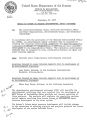
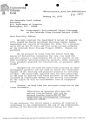
Show / Jtt,^^ AjCtUsi^^, 4 u- 523 Judge Bldg. 8 E. Broadway Salt Lake Citv, Utah 84111 February 18, 19 7 7 Cecil Andrus Secretary of Interior Department of Interior Washington, D.C. 2 0 240 Dear Mr. Andrus: I appreciate the opportunity provided me at the behest of Commissioner Higginson, to meet with Utah Bureau of Reclamation staff for answers I raised on impacts on wildlife from proposed developments of the Central Utah Project. This meeting was held on Thursday, February 9, 19 78, in Salt Lake City. The staff specialists meeting with me are listed separately. Attending with me was the Conservation Chairman, Sierra Club Chapter, Logan, Utah. Between October- 11, 1977, when my report was prepared for the Bureau CES meeting in Vernal, Utah, (you were sent a copy) and the February 9 meeting, I carried out additional research on existing and impending impacts on wildlife, riparian regimes, native biota, and recreational resources from the Bonneville Unit projects of the C.U.P.; on stream flow requirements of all concerned federal and state agencies; on geology and seismology issues; and on alternatives for water supply for Utah other than dewatering and/or destroying entire or portions of all streams on the Uinta Range. I subsequently prepared a more comprehensive questionnaire as a basis for discussion with the Bureau staff. All issues raised in this questionnaire are relevant to the overall problem of providing for and protecting riparian ecosystems, other wildlife habitat, and recreation resources on the federal lands on and around the.Uinta Mountain Range. The Bureau staff did not permit me to tape the meeting which could have provided me accurate recall of the issues discussed and they stated that they were prepared to deal onlv with the questions raised on mv first report. B * = , a While questions I raised then were answered in general, I am not satisfied with conclusions reached at the meeting. For example, wildlife and fisher}/ biologists are necessarily compelled to plan and to work around existing and proposed project developments rather than advocate for wildlife. The most important question I asked, and key to all wildlife, stream, and recreation impacts, was the following: What alternatives exist to planned transbasin water diversions for allocating water to Utah and to the Ute Indian tribe? What water supply options exist? The Regional Bureau Solicitor, Mr. Reid Nielson, replied that the Bureau has fulfilled its obligations in |