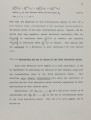
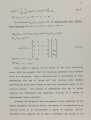
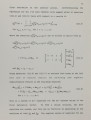
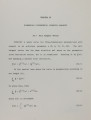
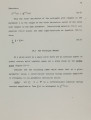
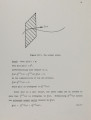
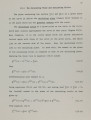
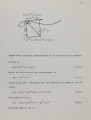
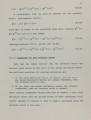
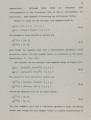
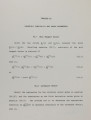
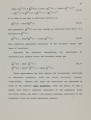
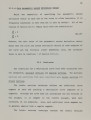
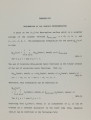
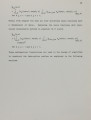
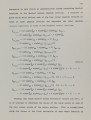
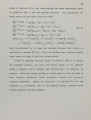
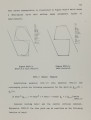
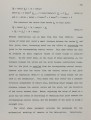
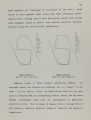
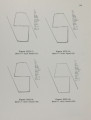
| OCR Text |
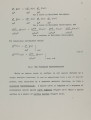
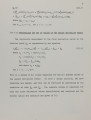
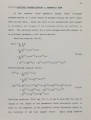
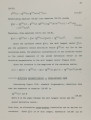
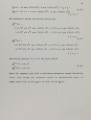
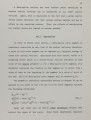
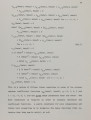
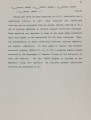
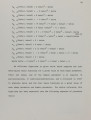
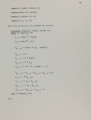
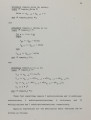
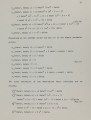
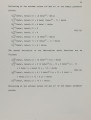
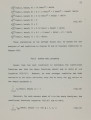
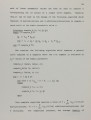
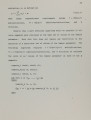
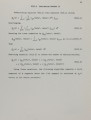
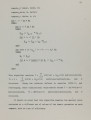
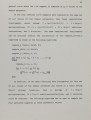
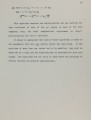
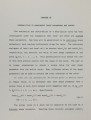
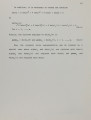
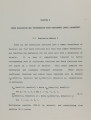
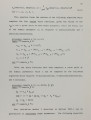
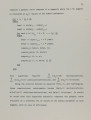
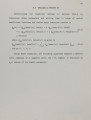
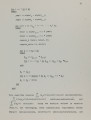
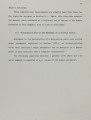
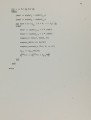
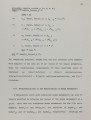
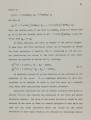
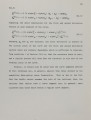
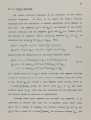
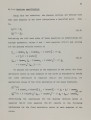
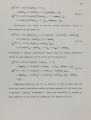
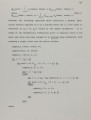
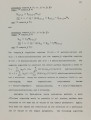
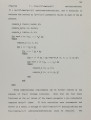
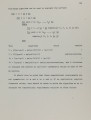
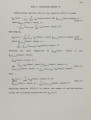
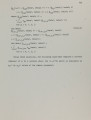
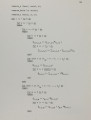
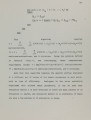
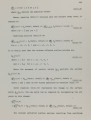
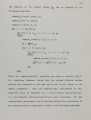
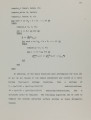
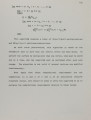
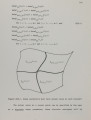
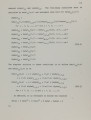
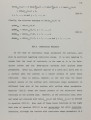
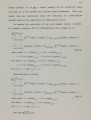
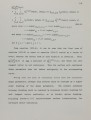
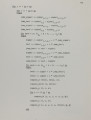
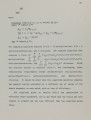
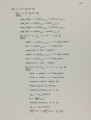
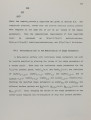
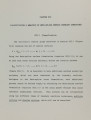
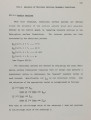
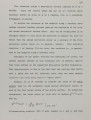
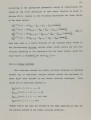
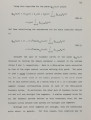
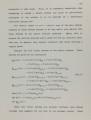
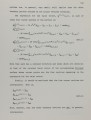
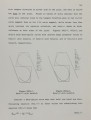
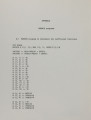
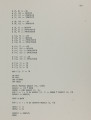
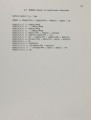
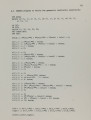
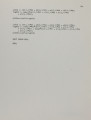
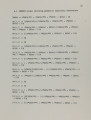
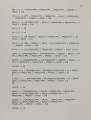
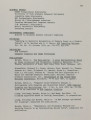
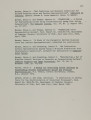
Show 137 V = [(2 alPha150+ 2 alPha160+ alpha200) Yo,-l --1,-1 - (2 alPha160+ alpha200) Y1,-1] 1 2 alPha150 Y = «2 alpha10n + alpha20n + 2) Y-1 n -1,n+1 , - (2 alpha10n + alPha20n) Y-1,n_1)/2 Ym+1,n+1 = «2 alpha1mn + alpha2mn + 2) Ym+1,n - (2 alpha1mn + alPha2mn) Ym+1,n-1)/2 Ym+1,-1 = «2 alpha1mO + alpha2mO + 2) Ym,-l - (2 alpha1mO + alpha2mO) Ym_1,_1)/2 V = [(2 alPha15Jo+ 2 alPha16Jo+ alPha20Jo) !oJo --l,j (2 alPha16j+ alPha20j) Y1j] 1 2 alPha15jfOr j = Yi,n+1 = «2 alpha1in + alpha2in + 2) Yin (2 alPha1in + alpha2i ) Vo 1)/2 for i = 0, •••• , m n -,n- Yrn+1,j = «2 alPha1mj + alPha2mj + 2) Ymj (XVI. 7) expression to zero yields an underspecified system containing 2m+2n+4 equations in the 2m+2n+8 unknown phantom vertices. A solution is given below which defines each of the four corner phantom vertices in terms of other phantom vertices and expresses the other phantom vertices explicitly in terms of the original control vertices. 0, ••• , n - (2 alPha1mj + alpha2 0) V 1 0)/2 for j = 0, ••• , n mJ -,J Yi,-l = [(2 alPha10+ 2 alPha1fo+ alPha2iO) YiO - (2 alPha1fo+ alpha2iO) Yi1] 1 2 alPha1Iofor i = 0, ••• , m Knowing that these 2m+2n+4 second derivative vectors are zero, it is of interest to determine the values of the twist vector at each of the four corner pod nt.s of the entire surface. This is accomplished using the values of the first derivative of each basis function as |