| OCR Text |
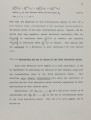
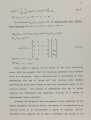
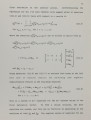
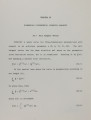
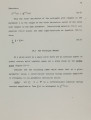
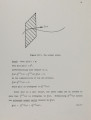
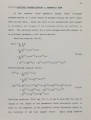
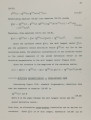
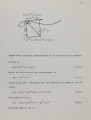
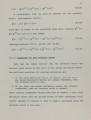
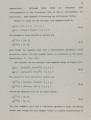
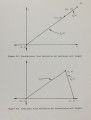
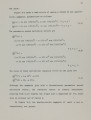
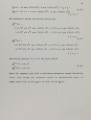
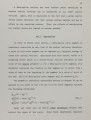
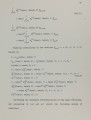
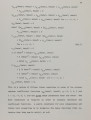
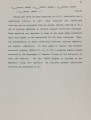
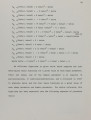
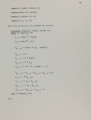
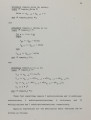
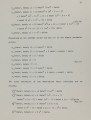
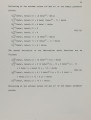
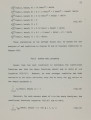
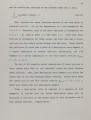
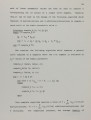
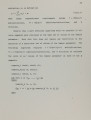
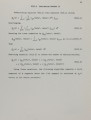
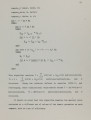
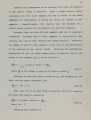
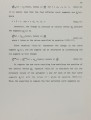
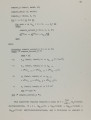
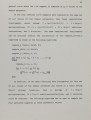
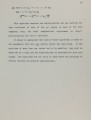
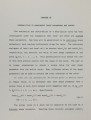
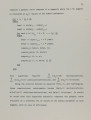
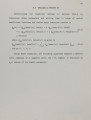
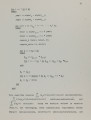
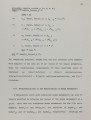
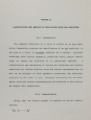
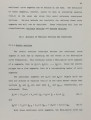
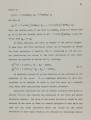
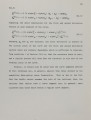
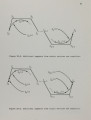
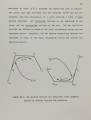
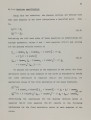
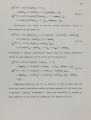
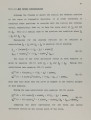
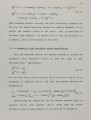
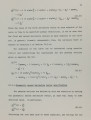
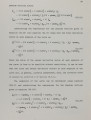
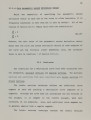
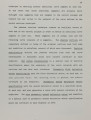
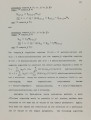
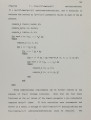
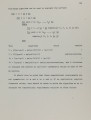
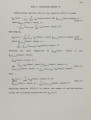
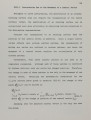
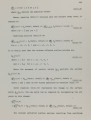
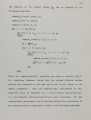
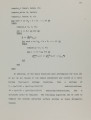
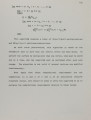
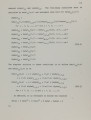
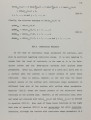
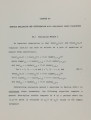
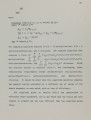
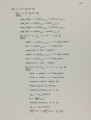
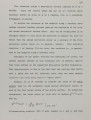
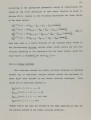
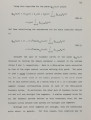
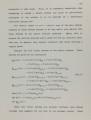
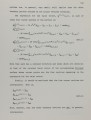
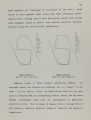
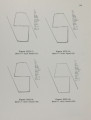
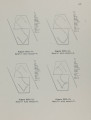
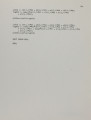
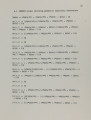
Show 9 III.2 NU-spline III.2.i.Explanatlon An objection to the spline under tension is that it is expressed in terms of exponential functions rather than polynomials, which is a major impediment to efficient evaluation. To circumvent this problem, a polynomial alternative to the spline under tension was developed by Nielson in [17, 18] which he oalled the NU-spline. It is derived in detail in [1] using the cubic Hermite basis functions approach, thereby emphasizing its relation to the conventional cubic interpolatory spline. It is important to note that each tension value for a NU-spline is associated with a point to be interpolated, not a spline curve segment as is the case with a spline under tension. A curve segment does, however, converge to a straight line segment as the tension values at both endpoints are increased. In addition, the number of tension values for a NU-spline is therefore one more than that for a spline under tension. Unlike the spline under tension, the NU-spline does not have continuity of the second parametric derivative vector when the tension values are nonzero. The discontinuity in the second parametric derivative vector at an interior point to be interpolated is parallel to the corresponding first derivative vector, and the ratio of the respective magnitudes is absolute value of the tension value there. Specifically, |