| OCR Text |
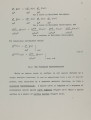
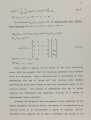
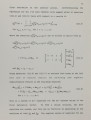
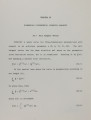
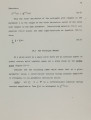
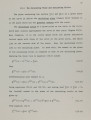
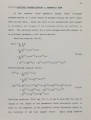
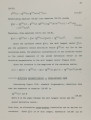
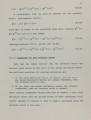
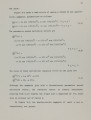
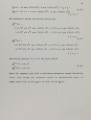
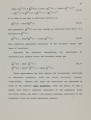
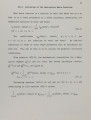
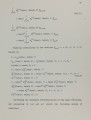
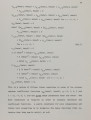
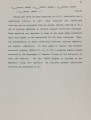
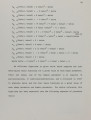
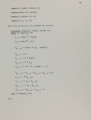
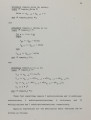
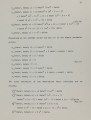
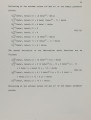
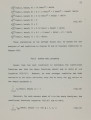
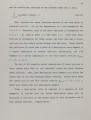
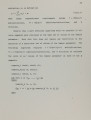
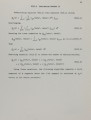
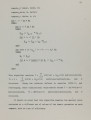
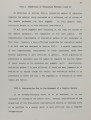
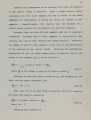
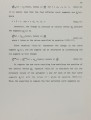
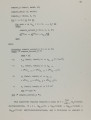
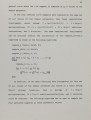
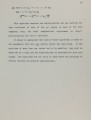
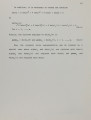
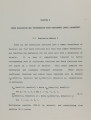
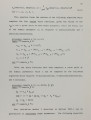
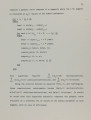
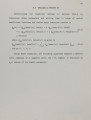
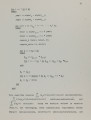
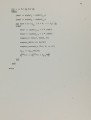
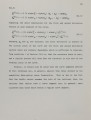
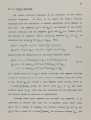
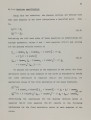
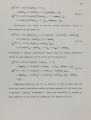
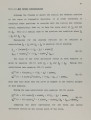
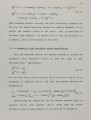
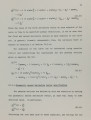
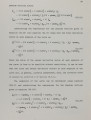
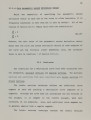
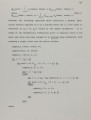
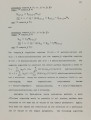
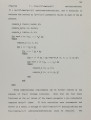
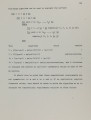
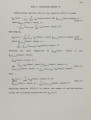
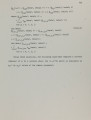
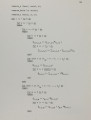
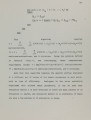
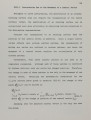
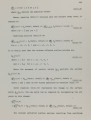
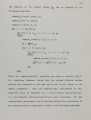
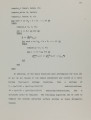
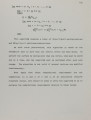
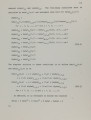
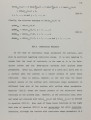
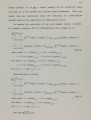
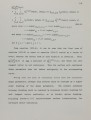
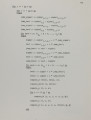
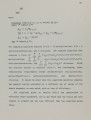
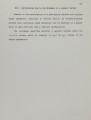
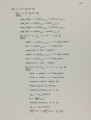
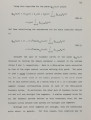
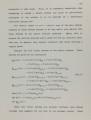
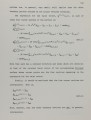
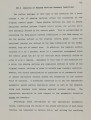
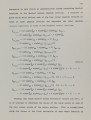
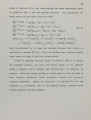
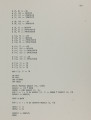
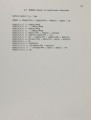
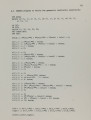
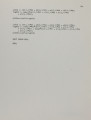
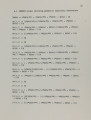
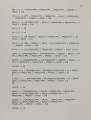
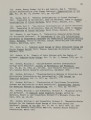
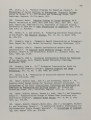
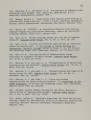
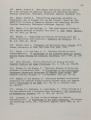
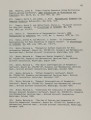
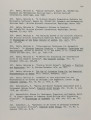
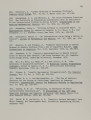
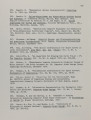
Show 101 procedure compute_W (i; r; j; b; Y; ); begin (* compute_W *) i+r,j := Yi+r,j_2*b_2; for s := -1 to 1 do i+r,j end (* compute_W *); and procedure compute Q (i; j; b; ; ); begin (* compute_Q *) Q.. : = b -l.J 2*W. 2 J.; - -l.- , for r : = -1 to 1 do Q.. • - Q. . + b *W. . -- -l.J -l.J r -l.+r,J end (* compute_Q *); The compute_W algorithm requires 3(1+3) = 12 multiplications and 3(3) = 9 additions/subtractions and the compute_Q algorithm requires 3(1+3) = 12 multiplications and 3(3) = 9 additions/subtractions. The complete algorithm to construct the entire surface requires a total of n m 7 + L (qJ.+1) (12+ L [4(12)+(Pi+1)(12+12)]) multiplications, j=1n =1 12 + 2 + L (qJ.+1) (7+ L [4(9)+(Pi+1)(7+9)]) additions/subtractions, j=1 i=1 and 9 divisions. Using the notation defined in equation (VIII.1), and rearranging, these computational requirements become 7 + 12n(q+1)(2mp+6m+1) multiplications, 14 + n(q+1) (16mp+52m+7) additions/subtractions, and 9 divisions. Analogous to Beta-spline curve evaluation methods, a more efficient algorithm would be possible if all surface patches were evaluated at the same set of values of the domain parameters. Again, this does not impose any restriction on the selection of a particular set of values of the domain parameters. The following algorithm |