| OCR Text |
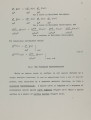
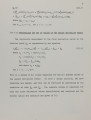
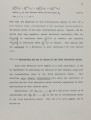
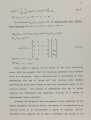
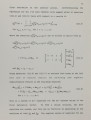
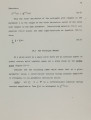
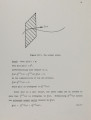
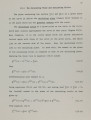
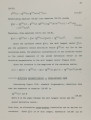
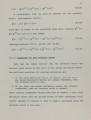
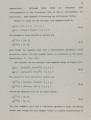
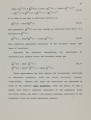
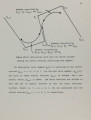
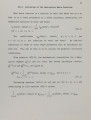
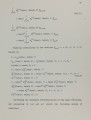
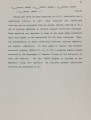
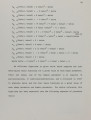
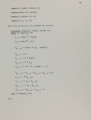
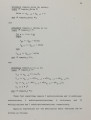
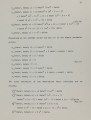
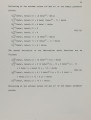
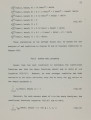
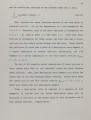
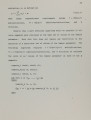
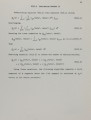
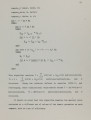
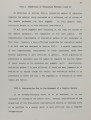
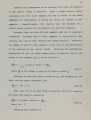
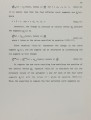
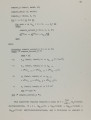
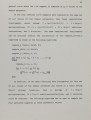
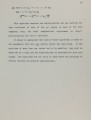
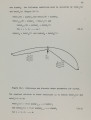
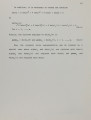
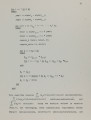
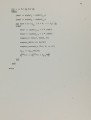
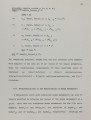
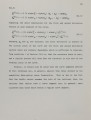
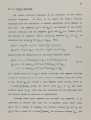
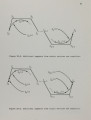
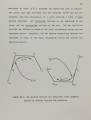
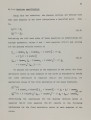
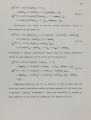
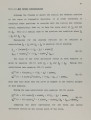
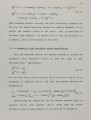
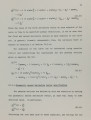
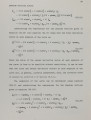
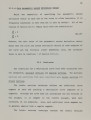
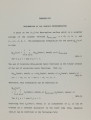
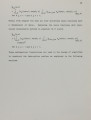
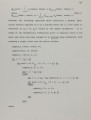
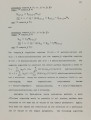
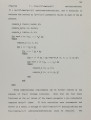
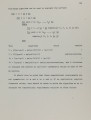
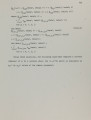
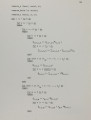
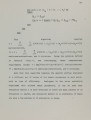
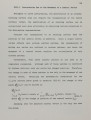
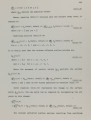
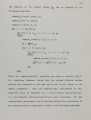
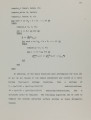
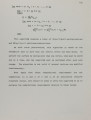
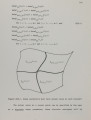
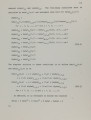
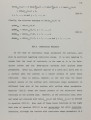
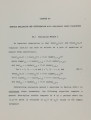
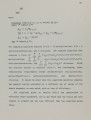
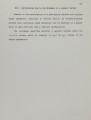
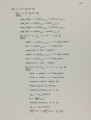
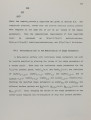
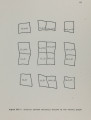
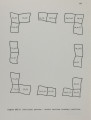
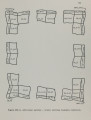
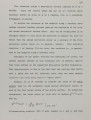
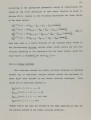
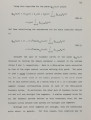
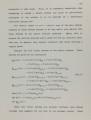
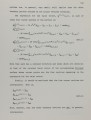
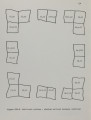
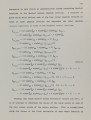
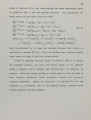
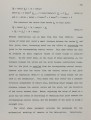
Show 130 This technique yields a Beta-spline surface composed of m by n patches. Since the control graph has m+1 by n+1 vertices which naturally define an array of m by n regions, this is a convenient arrangement of patches. To analyze the curvature at the endpoint along a boundary curve between adjacent boundary patches requires the evaluation of the first and second derivative vectors there. This can be accomplished in an analogous manner to that which was described in Chapter XI, with the result that the second derivative vector is a multiple of the first deri va ti ve vector which is, in general, nonzero. This satisfies condition 1 of Section IV.5.iv; thus, the curvature is, in general, zero at the endpoint along a boundary curve. Analogous to the double vertices end conditions for curves, the surface patches defined by this technique are, in general, smaller than those defined by the unmodified Beta-spline surface formulation. This characteristic is due to the fact that the vertices that define such a patch are not all distinct; thus, they are more densely clustered than those which define a regular patch. Finally, it is of interest to consider the value of the twist vector; that is, the parametric mixed partial derivative vector, at each of the four corner pOints of the entire surface. For notational convenience, the twist vector at (c,d) will be denoted Q( 1,1) (u,v); that is, = a2 .Q_(u,v) au av u=c, v=d Differentiating equation (XII. 1 ) with respect to u and v, and then |