| Title |
Spanish speaking peoples in Utah, oral histories: book 2, numbers 11 through 20 |
| Alternative Title |
Emilio Jaime Vasquez, Salt Lake City, Utah: an interview by Vincent Mayer, February 28, 1971; Father Jerald Merrill, Salt Lake City, Utah: an interview by Vincent Mayer, November 5 and 29 and December 31, 1971; Mrs. Lula C. Jácquez, Old San Acacio, Colorado, an interview by John R. Tapia; Mr. and Mrs. Enor Martínez, Salt Lake City, Utah: an interview by Bernice Martínez [June 2, 1972]; Mike Meléndez, Salt Lake City, Utah: an interview by John Gallegos, Bernice Martínez, and Vincent Mayer, June 3, 1972; Mrs. María Feliz Martínez de Maestas, Salt Lake City, Utah: an interview by Bernice Martínez and Mrs. Teodora Martínez, March 15, 1973 |
| Creator |
Vasquez, Emilio Jaime, 1931- ; Merrill, Jerald, 1924- ; J Jácquez, Lula C., 1919- ; Martínez, Enor, 1940- ; Martínez, Mrs. Enor, 1942- ; Meléndez, Mike, 1946- ; Martínez de Maestas, María Feliz, 1883- |
| Contributor |
University of Utah. American West Center; Mayer, Vincent, 1944- ; Martínez, Bernice; Tapia, John Reyna; Gallegos, John; Trujillo, Katarina; Martínez, Teodora |
| Publisher |
Digitized by J. Willard Marriott Library, University of Utah |
| Date |
1971-02-28; 1971-11-05; 1971-11-29; 1971-12-31; 1972-06-02; 1972-06-03; 1973-03-15; 1973-08-11 |
| Date Digital |
2015-01-15 |
| Spatial Coverage |
San Acacio, Costilla County, Colorado, United States, http://sws.geonames.org/5437633/ ; Salt Lake City, Salt Lake County, Utah, United States, http://sws.geonames.org/5780993/ |
| Subject |
Mexican Americans--Colorado--History; Mexican Americans--Colorado--Biography; Mexican Americans--Colorado--Social conditions; Mexican Americans--Utah--History; Mexican Americans--Utah--Biography; Mexican Americans--Utah--Social conditions; Chicano movement--Utah; Chicano movement--Colorado; Catholic Church--Clergy--Utah--Biography; Mexican American women--Utah |
| Keywords |
Migrant workers; Farm labor; Agricultural laborers; Discrimination; Catholic priests; Catholic Church; Guadalupe Mission; Guadalupe Center; Catholic traditions; SOCIO; Teachers; Head Start; Senior citizens; University of Utah; Mexican American college students; Shepherds |
| Description |
Transcript of interviews held in 1971, 1972, and 1973 at Salt Lake City and Old San Acacio, Colorado, with various Hispanic residents of Utah: Emilio Jaime Vasquez (b. 1907); Mrs. Lula C. Jácquez (of Old San Acacio, b. 1919); Mr. and Mrs. Enor Martínez (b. 1940 and 1942); Mike Meléndez (b. 1946); and Mrs. María Feliz Martínez de Maestas (b. 1883); also two interviews with Catholic priest Father Jerald Merrill (b. 1924), who worked with Hispanic parishioners. From: Spanish Speaking Peoples in Utah, oral histories, Interviews no. 11 - 13, 16, 18 - 20 |
| Type |
Text |
| Genre |
oral histories (literary works) |
| Format |
application/pdf |
| Language |
eng; spa |
| Rights |
 |
| Relation |
For description of each interview, see: http://nwda.orbiscascade.org/ark:/80444/xv23580 |
| Scanning Technician |
Matt Wilkinson |
| Conversion Specifications |
Original scanned with Kirtas 2400 and saved as 400 ppi uncompressed TIFF. PDF generated by Adobe Acrobat Pro 10 for CONTENTdm display |
| ARK |
ark:/87278/s6h43g65 |
| Topic |
Mexican Americans--Biography; Mexican Americans--Social conditions; Mexican American women; Chicano movement; Clergy (Canon law) |
| Setname |
uum_sspu |
| ID |
1040760 |
| Reference URL |
https://collections.lib.utah.edu/ark:/87278/s6h43g65 |
| Title |
Page 31 |
| Format |
application/pdf |
| Setname |
uum_sspu |
| ID |
1040497 |
| OCR Text |
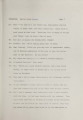
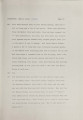
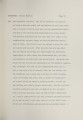
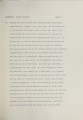
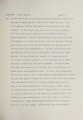
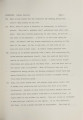
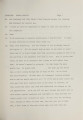
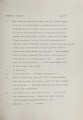
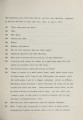
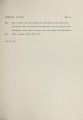
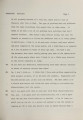
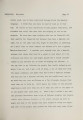
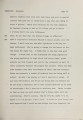
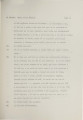
Show INTERVIEW: Emilio Jaime Vasquez Page 28 EV: They didn't seem to care---1 guess it didn't bother them, but then their, when their kids, they're hired up there, why, they'd didn't think that was fair. They didn't want to work on the tracks for twenty or forty years, like they did. So they start trying get the company to change their ways by joining the different unions and fight this thing. So after they kind of established a better, with the company, then we had all these guys from New Mexico that come in, see, and here we had guys already come in from New Mexico that were a little bit educated, you'd say, and could read or write English,. and after these guys here fought for--better--- better working conditions, and these guys, they'd come and they moved right in, and us Mexicans would---you'd say, you know _________ surely got the, got the better jobs. And of course ah, we've left them alone. The old-timers have---have left them alone, and they just let them go about their own business. VM: Talking to some of the other Mexicans, especially the ones from Mexico who have been here since, oh, the twenties. They, they've spoken of certain of the obvious differences, they say. They say it's obvious between old Mexican from Olcl Mrxico nncl M('x icnnf; from Color11do. And lhoy'<l p111: 1,1: in terms how they conduct themselves, you know, both in speech |
| Reference URL |
https://collections.lib.utah.edu/ark:/87278/s6h43g65/1040497 |