| Title |
Brent Huff, Salt Lake City, Utah: an interview by John C. Worsencroft, October 20, 2009: Saving the Legacy tape no. IA-15, 17 |
| Alternative Title |
Brent Huff, Saving the legacy: an oral history of Utah's World War II veterans, ACCN 2070, American West Center, University of Utah |
| Creator |
Huff, Brent |
| Contributor |
Worsencroft, John C., 1981-; University of Utah. American West Center |
| Publisher |
Digitized by J. Willard Marriott Library, University of Utah |
| Date |
2009-10-20 |
| Date Digital |
2015-12-16 |
| Access Rights |
I acknowledge and agree that all information I obtain as a result of accessing any oral history provided by the University of Utah's Marriott Library shall be used only for historical or scholarly or academic research purposes, and not for commercial purposes. I understand that any other use of the materials is not authorized by the University of Utah and may exceed the scope of permission granted to the University of Utah by the interviewer or interviewee. I may request permission for other uses, in writing to Special Collections at the Marriott Library, which the University of Utah may choose grant, in its sole discretion. I agree to defend, indemnify and hold the University of Utah and its Marriott Library harmless for and against any actions or claims that relate to my improper use of materials provided by the University of Utah. |
| Spatial Coverage |
Kuwait; Iraq |
| Subject |
Huff, Brent--Interviews; Veterans--Utah--Biography; Iraq War, 2003-2011--Personal narratives, American |
| Description |
Transcript (64 pages) of an interview by John C. Worsencroft with Brent Huff on October 20, 2009. From tape numbers IA-15 and IA-17 in the "Saving the Legacy" Oral History Project |
| Collection Number and Name |
Accn2070, Saving the Legacy oral history project, 2001-2010 |
| Abstract |
Huff was born in West Valley City, Utah. He discusses his family, growing up and schooling. He joined the Marine Reserves, went to boot camp, and trained as an infantryman. He was called up for active duty shortly after September 11, 2001. His unit was sent to California for a year of training before being sent to Kuwait, then later Baghdad. He discusses the experiences and conditions there. He relates his combat experiences, missions and activities. He also talks about returning home and continuing his reserve activities, relating various training missions and other activities. He completed his enlistment in the Marines, and got a degree in philosophy from the University of Utah before joining the Army. Interviewed by John C. Worsencroft. 64 pages. |
| Type |
Text |
| Genre |
oral histories (literary works) |
| Format |
application/pdf |
| Extent |
64 pages |
| Language |
eng |
| Rights |
 |
| Scanning Technician |
Mazi Rakhsha |
| Conversion Specifications |
Original scanned with Kirtas 2400 and saved as 400 ppi uncompressed TIFF. PDF generated by Adobe Acrobat Pro X for CONTENTdm display |
| ARK |
ark:/87278/s64f3ss6 |
| Topic |
Personal narratives--American; Veterans; Iraq War (2003-2011) |
| Setname |
uum_slohp |
| ID |
1034332 |
| Reference URL |
https://collections.lib.utah.edu/ark:/87278/s64f3ss6 |
| Title |
Page 53 |
| Format |
application/pdf |
| Setname |
uum_slohp |
| ID |
1034319 |
| OCR Text |
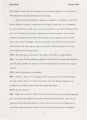
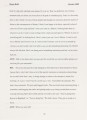
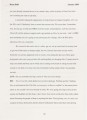
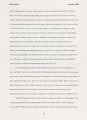
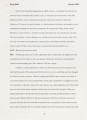
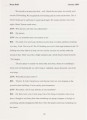
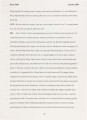
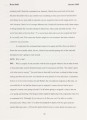
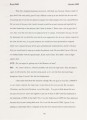
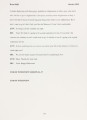
Show Brent Huff ended up doing was we were working in an office. We called Marine in th ina tiv status, so guys that were basically out, but for two years you're just a civilian on a Ii t, basically, but they're still eligible for orders. So we would call them up and let them know that there were some orders available. Before I'd gone to this office they'd actually handled the involuntary recall. So they'd call guys and let them know they were getting called up. But it was changed more into something like recruiting customer service oriented kind of thing. JCW: So you would basically sell orders to people? BH: Yeah, exactly. JCW: Was it something that you were successful at? BH: Yeah, I was really good at it. In fact, most of the guys in the office were from this unit, which is why I heard about it. Because, again, Utah, it's where call centers are; it's where people who know, they're raised to be missionaries or something. So we always had guys from Utah. We actually had a Joseph Smith in there once (laughs). We brought him on just because we thought it was funny. We were calling him for something else and said, "Hey, look, it's Joseph Smith." So we just brought him on orders because ... But that was a good job. I was good at it. Eventually I became the NCO/IC there, the non-commissioned officer in charge. The way I did that is I kind of changed the office, actually. It was more like, this is something I put on my civilian resume, because I looked at it like a job I had for a couple of years and it good while I was there. I got in there and they were still using like cards and it just ran really antiquated, I guess. So I don't like to work; I don't like to just put my head down and sit at a desk. So I'd find ways to make things work more efficiently by changing the filing system and eventually 52 |
| Reference URL |
https://collections.lib.utah.edu/ark:/87278/s64f3ss6/1034319 |