| Title |
Brent Huff, Salt Lake City, Utah: an interview by John C. Worsencroft, October 20, 2009: Saving the Legacy tape no. IA-15, 17 |
| Alternative Title |
Brent Huff, Saving the legacy: an oral history of Utah's World War II veterans, ACCN 2070, American West Center, University of Utah |
| Creator |
Huff, Brent |
| Contributor |
Worsencroft, John C., 1981-; University of Utah. American West Center |
| Publisher |
Digitized by J. Willard Marriott Library, University of Utah |
| Date |
2009-10-20 |
| Date Digital |
2015-12-16 |
| Access Rights |
I acknowledge and agree that all information I obtain as a result of accessing any oral history provided by the University of Utah's Marriott Library shall be used only for historical or scholarly or academic research purposes, and not for commercial purposes. I understand that any other use of the materials is not authorized by the University of Utah and may exceed the scope of permission granted to the University of Utah by the interviewer or interviewee. I may request permission for other uses, in writing to Special Collections at the Marriott Library, which the University of Utah may choose grant, in its sole discretion. I agree to defend, indemnify and hold the University of Utah and its Marriott Library harmless for and against any actions or claims that relate to my improper use of materials provided by the University of Utah. |
| Spatial Coverage |
Kuwait; Iraq |
| Subject |
Huff, Brent--Interviews; Veterans--Utah--Biography; Iraq War, 2003-2011--Personal narratives, American |
| Description |
Transcript (64 pages) of an interview by John C. Worsencroft with Brent Huff on October 20, 2009. From tape numbers IA-15 and IA-17 in the "Saving the Legacy" Oral History Project |
| Collection Number and Name |
Accn2070, Saving the Legacy oral history project, 2001-2010 |
| Abstract |
Huff was born in West Valley City, Utah. He discusses his family, growing up and schooling. He joined the Marine Reserves, went to boot camp, and trained as an infantryman. He was called up for active duty shortly after September 11, 2001. His unit was sent to California for a year of training before being sent to Kuwait, then later Baghdad. He discusses the experiences and conditions there. He relates his combat experiences, missions and activities. He also talks about returning home and continuing his reserve activities, relating various training missions and other activities. He completed his enlistment in the Marines, and got a degree in philosophy from the University of Utah before joining the Army. Interviewed by John C. Worsencroft. 64 pages. |
| Type |
Text |
| Genre |
oral histories (literary works) |
| Format |
application/pdf |
| Extent |
64 pages |
| Language |
eng |
| Rights |
 |
| Scanning Technician |
Mazi Rakhsha |
| Conversion Specifications |
Original scanned with Kirtas 2400 and saved as 400 ppi uncompressed TIFF. PDF generated by Adobe Acrobat Pro X for CONTENTdm display |
| ARK |
ark:/87278/s64f3ss6 |
| Topic |
Personal narratives--American; Veterans; Iraq War (2003-2011) |
| Setname |
uum_slohp |
| ID |
1034332 |
| Reference URL |
https://collections.lib.utah.edu/ark:/87278/s64f3ss6 |
| Title |
Page 49 |
| Format |
application/pdf |
| Setname |
uum_slohp |
| ID |
1034315 |
| OCR Text |
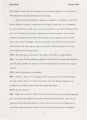
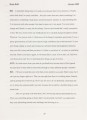
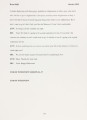
Show Brent Huff r 2009 things maybe if I could go back so many years and vote differently I'd ote diff rently. But giving that the ocean was moving the way it was, I would have done the am thing that I did. JCW: Having said that, though, what are your thoughts about the war? You partici pated in it. Do you have an opinion about the war? BH: Sure. I think it's been counterproductive overall. I think not having done the war would have put us in a better position. I think I felt like that even before I went. I remember looking at some of the justifications and the way that they changed and just thinking something wasn't right or not having a lot of confidence in what was going on. I always kind of hoped that there really was some plan behind the plan. I'm not a fan of conspiracy theories, but if they tum out, it's good (laughs). For me, at least, someone knows what they're doing. I don't know, there's always kind of the cynicism that most guys in the military have, no matter how "for" the war or how pro the political agenda. I think we all learn a certain cynicism. I think we all learn that behind the scenes nothing' s as sleek as it's supposed to be. I think that war's really been sold. The image's been changed over maybe the last decade or two, or maybe longer, to be this like sleek, like to actually think that we can go into a country and in some kind of semi-surgical way patch the government up into a democracy. Or that we could go in there and not affect the civilians. It's a fact of war, I think, that civilians are usually the bigger casualties than anyone. That's, I think, true in Iraq. I think the bigger problem for us is that-and I'm just going on what I've read or seen-but that we've created basically a training ground and a lot of maybe Arab or Muslim people that would have been in school or doing something else, maybe not liking America, but instead of doing whatever they were 48 |
| Reference URL |
https://collections.lib.utah.edu/ark:/87278/s64f3ss6/1034315 |