| Title |
Brent Huff, Salt Lake City, Utah: an interview by John C. Worsencroft, October 20, 2009: Saving the Legacy tape no. IA-15, 17 |
| Alternative Title |
Brent Huff, Saving the legacy: an oral history of Utah's World War II veterans, ACCN 2070, American West Center, University of Utah |
| Creator |
Huff, Brent |
| Contributor |
Worsencroft, John C., 1981-; University of Utah. American West Center |
| Publisher |
Digitized by J. Willard Marriott Library, University of Utah |
| Date |
2009-10-20 |
| Date Digital |
2015-12-16 |
| Access Rights |
I acknowledge and agree that all information I obtain as a result of accessing any oral history provided by the University of Utah's Marriott Library shall be used only for historical or scholarly or academic research purposes, and not for commercial purposes. I understand that any other use of the materials is not authorized by the University of Utah and may exceed the scope of permission granted to the University of Utah by the interviewer or interviewee. I may request permission for other uses, in writing to Special Collections at the Marriott Library, which the University of Utah may choose grant, in its sole discretion. I agree to defend, indemnify and hold the University of Utah and its Marriott Library harmless for and against any actions or claims that relate to my improper use of materials provided by the University of Utah. |
| Spatial Coverage |
Kuwait; Iraq |
| Subject |
Huff, Brent--Interviews; Veterans--Utah--Biography; Iraq War, 2003-2011--Personal narratives, American |
| Description |
Transcript (64 pages) of an interview by John C. Worsencroft with Brent Huff on October 20, 2009. From tape numbers IA-15 and IA-17 in the "Saving the Legacy" Oral History Project |
| Collection Number and Name |
Accn2070, Saving the Legacy oral history project, 2001-2010 |
| Abstract |
Huff was born in West Valley City, Utah. He discusses his family, growing up and schooling. He joined the Marine Reserves, went to boot camp, and trained as an infantryman. He was called up for active duty shortly after September 11, 2001. His unit was sent to California for a year of training before being sent to Kuwait, then later Baghdad. He discusses the experiences and conditions there. He relates his combat experiences, missions and activities. He also talks about returning home and continuing his reserve activities, relating various training missions and other activities. He completed his enlistment in the Marines, and got a degree in philosophy from the University of Utah before joining the Army. Interviewed by John C. Worsencroft. 64 pages. |
| Type |
Text |
| Genre |
oral histories (literary works) |
| Format |
application/pdf |
| Extent |
64 pages |
| Language |
eng |
| Rights |
 |
| Scanning Technician |
Mazi Rakhsha |
| Conversion Specifications |
Original scanned with Kirtas 2400 and saved as 400 ppi uncompressed TIFF. PDF generated by Adobe Acrobat Pro X for CONTENTdm display |
| ARK |
ark:/87278/s64f3ss6 |
| Topic |
Personal narratives--American; Veterans; Iraq War (2003-2011) |
| Setname |
uum_slohp |
| ID |
1034332 |
| Reference URL |
https://collections.lib.utah.edu/ark:/87278/s64f3ss6 |
| Title |
Page 3 |
| Format |
application/pdf |
| Setname |
uum_slohp |
| ID |
1034269 |
| OCR Text |
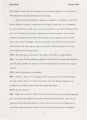
Show Br nt Huff tob r 2009 like I had the, I didn't feel like I wanted to go out and tell omebody to do anything but 100 percent. So I just kind of strayed away from that. After all my friends had left on missions, I needed to do something. I kind of felt like the military was kind of a replacement for religion, almost, but it's not something you have to believe in. I didn't join out of duty, patriotism; I mean, those things are there but I wasn't looking for the pride of fighting for someone's freedom. I just wanted to belong to an organization and I felt like the military was an organization that I didn't have to have some knowledge or mission from God; it was more like a job, basically. I could just raise my hand and say, right or wrong this is what I'm going to do, on my honor, and be part of an organization. JCW: Was anybody in your family in the military? Was there a strong tradition? BH: No, not at all. My grandpa was drafted in World War II for some small amount of time. My other grandpa was also, but it wasn't something that was really ever an area of interest. JCW: Was it a big shock to your family? BH: I think so, yeah. It was unexpected. Growing up I really was a straight shooter. We didn't drink caffeine, we didn't drink coffee. Out of my group of friends, I was probably the most likely one to follow the straight and narrow. JCW: Go on a mission? BH: Right. So the military, I didn't even like those kids that wore camouflage growing up. I was not that guy (laughs). But my best friend did join before I did. Johnston was actually my best friend growing up. So when I was in my first year of college I got to hear all his stories about boot camp. It was most of the standard things of the Marine 2 |
| Reference URL |
https://collections.lib.utah.edu/ark:/87278/s64f3ss6/1034269 |