| Title |
Abe B. Cline, Interviews with Jews in Utah, Accn 998 |
| Alternative Title |
Accn 998, Interviews with Jews in Utah, Abe B. Cline |
| Description |
Transcript (179 pages) of multiple interviews by Leslie Kelen with Abe Cline in 1982 and 1983 for the Interviews with Jews in Utah Oral History Project. |
| Creator |
Cline, Abe B., 1895-1983 |
| Contributor |
Kelen, Leslie G., 1949-; Oral History Institute |
| Publisher |
Digitized by J. Willard Marriott Library, University of Utah |
| Date |
1982-06-02; 1983-06-15; 1982-06-06; 1983-05-19 |
| Date Digital |
2015-07-06 |
| Access Rights |
I acknowledge and agree that all information I obtain as a result of accessing any oral history provided by the University of Utah's Marriott Library shall be used only for historical or scholarly or academic research purposes, and not for commercial purposes. I understand that any other use of the materials is not authorized by the University of Utah and may exceed the scope of permission granted to the University of Utah by the interviewer or interviewee. I may request permission for other uses, in writing to Special Collections at the Marriott Library, which the University of Utah may choose grant, in its sole discretion. I agree to defend, indemnify and hold the University of Utah and its Marriott Library harmless for and against any actions or claims that relate to my improper use of materials provided by the University of Utah. |
| Spatial Coverage |
Salt Lake City, Salt Lake County, Utah, United States, http://sws.geonames.org/5780993/ |
| Subject |
Jews, American--Utah--Interviews; Cline, Abe B., 1895-1983;--Interviews; Jews--Social life and customs; World War, 1914-1918; Freemasons; Salt Lake City (Utah); Jews--Social life and customs |
| Abstract |
Abe Cline was interviewed five times by Leslie Kelen. Cline (b. 1895) talks about his father and grandfather, both of whom are buried in Jerusalem. He recalls various jobs held early in his life (often as salesman) and tells a number of stores about his years with the National Guard (Mexican Revolution) and the U. S. Army (World War I). He recalls his childhood and teenage years in Salt Lake, the Free Masons, doing business with Mormons, the Greek population, the Depression, France in World War I, and his feelings about Hitler, Germany, and the creation of the state of Israel. Other topics include the Cline Equipment Company, evaporative air coolers, the Salt Lake Jewish community, Rabbi Sam Gordon, his extended family, and Jewish businesses in Salt Lake. 179 pages. |
| Type |
Text |
| Genre |
oral histories (literary works) |
| Format |
application/pdf |
| Extent |
179 pages |
| Language |
eng |
| Rights |
 |
| Is Part of |
Interviews with Jews in Utah collection, 1982-1988, http://archiveswest.orbiscascade.org/ark:/80444/xv70657/ |
| Scanning Technician |
Niko Amaya; Halima Noor |
| Conversion Specifications |
Original scanned with Kirtas 2400 and saved as 400 ppi uncompressed TIFF. PDF generated by Adobe Acrobat Pro X for CONTENTdm display |
| ARK |
ark:/87278/s6cz52xd |
| Topic |
Jews, American; Jews--Social life and customs; World War (1914-1918); Freemasons; Utah--Salt Lake City |
| Setname |
uum_iju |
| ID |
902187 |
| Reference URL |
https://collections.lib.utah.edu/ark:/87278/s6cz52xd |
| Title |
Page 26 |
| Format |
application/pdf |
| Setname |
uum_iju |
| ID |
902032 |
| OCR Text |
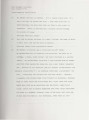
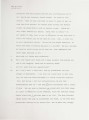
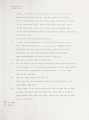
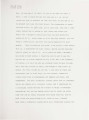
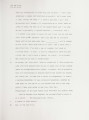
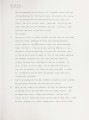
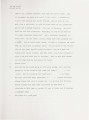
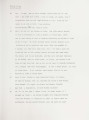
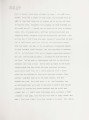
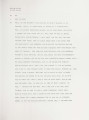
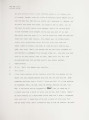
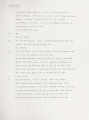
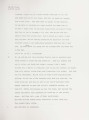
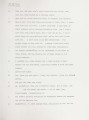
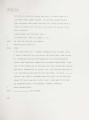
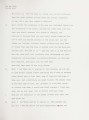
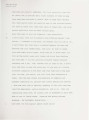
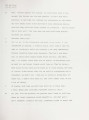
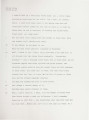
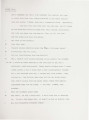
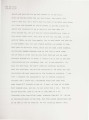
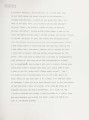
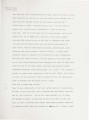
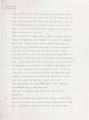
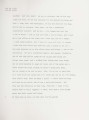
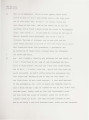
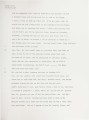
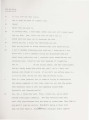
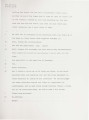
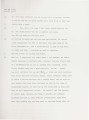
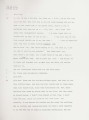
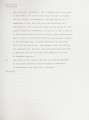
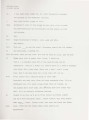
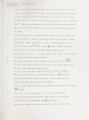
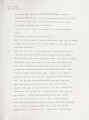
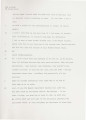
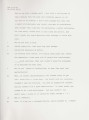
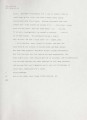
Show OHI AB Cline ---82 s :_5 wan't then. I go up to Idaho, the Teton River. Where I have a fell\ ~ith a boat take me out and I can fly-cast from the boat. I can't \ade anymore. Of course, I used to. Get into a stream and ha•e waders. Fall in occasionally. But I can't even walk the shore anymore for any distance. But I can sit. Up until this _ear, I've been able to sit in the boat and cast from the boat there. L Go back. After you carne back from World War I. You went to England with your cousin? AC Well, we went there on leave while we were still in France. So then, and this was in March. And about July , we came back here, From France. Were you in combat? AC Well of course, we were not in the combat unit. Well, we got credit for being in two campaigns. In other words, they gave me a victory medal with two bars on there. One Newsaragon and the other was Defensive sector, but actually we were not in combat. We were behind thebiv Navy guns. They were shooting over our heads into the German lines there. But we were still far enough away from them so we didn ' t - - we got credit for it but we weren't under any German fire. But we did, though, when the Arrn~ice was signed, we opened~ a hospital there. We took care of a lot of wounded and sick men. We were in w~t is known as an e~acuation hospital. In other words, they would bring them to us from the front line hospitals and stay there over night. And |
| Reference URL |
https://collections.lib.utah.edu/ark:/87278/s6cz52xd/902032 |