| Title |
Interviews with Japanese in Utah: Nobuzo Endo |
| Alternative Title |
Nobuzo Endo: interviews on February 7, March 20, 29, 30, and April 3, 1984 |
| Creator |
Endo, Nobuzo, 1911-1993 |
| Contributor |
Fuller, Sandra T., 1945- |
| Publisher |
Digitized by J. Willard Marriott Library, University of Utah |
| Date |
1984-02-07; 1984-03-20; 1984-03-29; 1984-03-30; 1984-04-03 |
| Date Digital |
2014-05-07 |
| Access Rights |
I acknowledge and agree that all information I obtain as a result of accessing any oral history provided by the University of Utah's Marriott Library shall be used only for historical or scholarly or academic research purposes, and not for commercial purposes. I understand that any other use of the materials is not authorized by the University of Utah and may exceed the scope of permission granted to the University of Utah by the interviewer or interviewee. I may request permission for other uses, in writing to Special Collections at the Marriott Library, which the University of Utah may choose grant, in its sole discretion. I agree to defend, indemnify and hold the University of Utah and its Marriott Library harmless for and against any actions or claims that relate to my improper use of materials provided by the University of Utah. |
| Spatial Coverage |
Oakland, Alameda County, California, United States, http://sws.geonames.org/5378538/ |
| Subject |
Endo, Nobuzo, 1911-1993--Interviews; Japanese Americans--Utah--Interviews; Children of immigrants; Buddhism--Utah |
| Description |
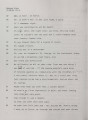
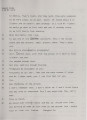
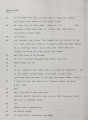
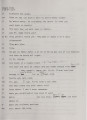
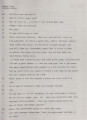
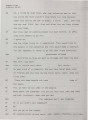
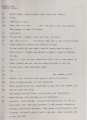
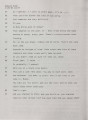
Transcript (typescript, 141 pages) of a series of interview with Nebuzo Endo, a Japanese-American living in Utah in 1984. Mr. Endo (b. 1911) recalls being sent to Japan as a child for his education, Japanese culture, surviving and earthquake, and returning to live with his parents in Oakland, California during the Depression. He and his wife talk about their courtship and discuss Japanese marriage customs. Other topics covered include Judo, moving to Utah, farming, the Buddhist Church, and being Japanese during World War II. |
| Type |
Text |
| Genre |
oral histories (literary works) |
| Format |
application/pdf |
| Language |
eng |
| Rights |
 |
| Relation |
http://archiveswest.orbiscascade.org/ark:/80444/xv45901 |
| Scanning Technician |
Matt Wilkinson |
| Conversion Specifications |
Original scanned with Kirtas 2400 and saved as 400 ppi uncompressed TIFF. PDF generated by Adobe Acrobat Pro 9 for CONTENTdm display |
| ARK |
ark:/87278/s6n02q8f |
| Topic |
Japanese Americans; Children of immigrants; Japanese Americans--Religion |
| Relation is Part of |
Mitsugi M. Kasai Memorial Japanese American Archive |
| Setname |
uum_ijau |
| ID |
899204 |
| Reference URL |
https://collections.lib.utah.edu/ark:/87278/s6n02q8f |
| Title |
Page 69 |
| Format |
application/pdf |
| Setname |
uum_ijau |
| ID |
899132 |
| OCR Text |
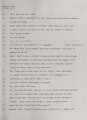
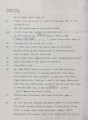
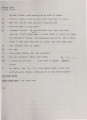
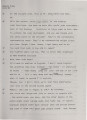
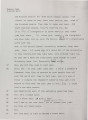
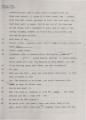
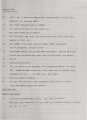
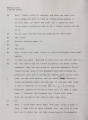
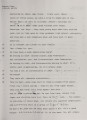
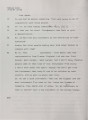
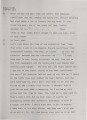
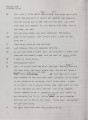
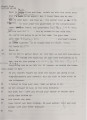
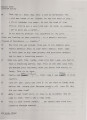
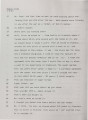
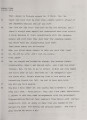
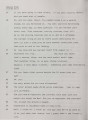
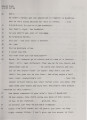
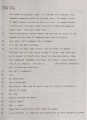
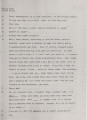
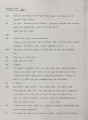
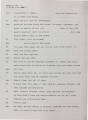
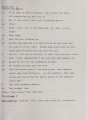
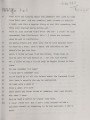
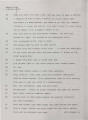
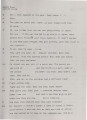
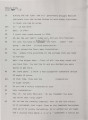
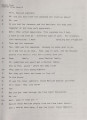
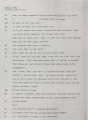
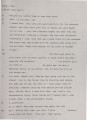
Show Nobuzo Endo 4-3-84 s1:4 SF When you were young, did you ~e yourself as a farmer, that you were going tobe a farmer? NE Well, now You ask me that question. I - in the age and the condition in Utah is different from the time when I came to Utah. And there would be no future in farming in Utah. That's the way I look at it. SF Why? Why? NE In the frstplace, we just don't have any -enough ground to farm. All housing took over. I guess you could see that. SF You mean every place you farmed out here, there are houses now. NE housing now. And another thing, too. Farm larborers, you jut can't find any unless you find some Mexican farm laborers. And those people are kind of getting scarce now. SF so - But when you were . farming, it wasn't as difficult. It was always difficult. NE QOh, yes, it's always certain things are difficult, yes. SF Are you gladyou didn't farm in California? NE Well, no. That's a big question. I often wondered why I didn't go back to California. But, there is a lot of question involved as to moving to California. Because, first of all, my family- I have a~owing children and my hope or intention were to have them to graduate - give them a good education while I'm here. And moving one place to another, that's going to disrupt their educational future, I think· So. That's one reason and the most reason I stayed in Utah. SF Did you think that the educationwould be good here for the |
| Reference URL |
https://collections.lib.utah.edu/ark:/87278/s6n02q8f/899132 |