| OCR Text |
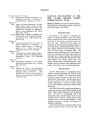
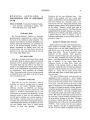
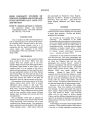
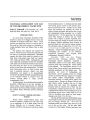
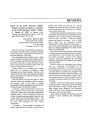
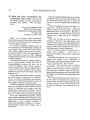
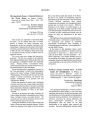
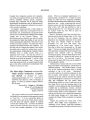
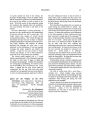
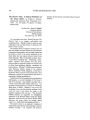
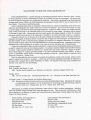
Show REPORTS 49 FREMONT CORN AGRICULTURE: A PILOT STABLE CARBON ISOTOPE STUDY Joan Brenner Coltrain, Department of Anthropology, University of Utah, Salt Lake City, Utah 84112 INTRODUCTION Great Basin archaeologists have long debated the role of corn agriculture in Fremont subsistence. Standard approaches to dietary reconstruction, including plant macrofossil and pollen analyses, have proven inconclusive. Here I report the results of a recent stable carbon isotope study designed to address this issue. Results suggest that corn may have been an important component of Fremont diet in certain contexts. FREMONT SUBSISTENCE The Fremont are conventionally thought of as an eastern Great Basin/western Colorado Plateau Formative complex roughly contemporary with the Anasazi (Jennings 1978; Madsen 1989). The majority of known Fremont sites date to A.D. 800-1300 (Talbot and Wilde 1989) and are characterized by clusters of pithouses, frequently in association with substantial adobe and/or masonry granaries (Jennings 1978). This represents a marked departure from earlier Archaic and subsequent Late Prehistoric sites, which were less intensively occupied and contain little evidence of domestic architecture (Wilde and Newman 1989). With few exceptions, Fremont residential sites are located where conditions were favorable for corn cultivation, along or above perennial water courses or at the base of alluvial fans, at elevations with maximum summer precipitation and a 120-150 day frost-free growing season (Lindsay 1986:237-239). Although evidence of irrigation is rare (see Metcalfe and Larrabee 1985 for an exception), recovery of corn macrofossils is common (see Metcalfe 1984 for a comprehensive summary). Despite clear indications that at least some Fremont populations were engaged in agriculture, the dietary importance of corn is disputed. Some hold that while corn may have been less important to Fremont groups than to the Anasazi, Fremont settlement patterns were determined primarily by reliance on domesticates (e.g., Berry 1974; Jennings 1978; Marwitt 1970). Differences in the location, scale and apparent permanence of Fremont residential sites, relative to those of earlier and later periods, are cited in support of this position. Others argue that Fremont subsistence exhibited marked spatio-temporal variability. Settlement patterns were not uniformly influenced by exploitation of domesticates (e.g., Madsen 1989; Simms 1986; Winter and Hogan 1986). During favorable periods (see Talbot and Wilde 1989), heavy reliance on agriculture may have supported large Fremont bases (e.g., Evans Mound [Dodd 1982], Median Village [Marwitt 1970]) along the southern rim of the eastern Great Basin, but residential sites in central Utah (e.g., Backhoe Village'[Madsen and Lindsay 1977], Wild Bill Knoll [Metcalfe 1984]) are thought to reflect greater dependence on wild resources. Although situated in locations suitable for corn agriculture, diversity rather than uniform reliance on domesticates is said to have characterized subsistence at these sites (see Simms 1986). These issues remain unresolved by standard methods of dietary reconstruction. Both corn and other plants are common in Fremont macrofossil assemblages, yet their respective dietary contributions cannot be readily assessed; pollen is even a less clear indicator of prehistoric diet. A different approach is necessary. STABLE CARBON ISOTOPE ANALYSIS Stable carbon isotope analysis provides a basis for quantitative investigation of prehistoric diet, independent of archaeologically recovered botanical remains. The principle is relatively simple (see Ambrose 1993; Schwarcz 1991; Sillenet al. 1989 for reviews). Terrestrial plants vary in the photosynthetic pathway employed to metabolize atmospheric carbon (C02). These pathways differentially discriminate against uptake of 13C, the heavier stable carbon isotope. Plants employing a C4 pathway are relatively enriched in 13C (Chisholm et al. 1982), while C3 plants discriminate against its incorporation (Smith and Epstein 1971). This bias is reflected in the stable carbon isotope ratio (13C/12C) of plant tissues and the tissue and bone of their consumers (Price et al. 1985; van der Merwe 1982). Through mass spectrometry, the stable carbon isotope ratio of human bone collagen is determined, providing an estimate of the contribution of C3 versus 50 UTAH ARCHAEOLOGY 1993 Table 1. <513C Values for Human Remains from Four Fremont Sites Site Evans Mound Evans Mound Evans Mound Backhoe Village Backhoe Village Caldwell Village Caldwell Village Caldwell Village Caldwell Village Nawthis Village Burial fs210.57 fs267.16 fsl276.83 76AS1.16.20 76AS1.37.51 3 2 4 6 - 613C -7.56 -10.22 -8.70 -7.42 -7.56 -8.82 -8.41 -8.22 -11.02 -9.47 C4 plants to the diet of sampled populations. Because corn is a C4 plant and most wild resources are C3, carbon isotope ratios are commonly used to assess prehistoric corn consumption (Bender et al. 1981; Buikstra and Milner 1991; Bumsted 1984; Schwarcz et al. 1985; van der Merwe and Vogel 1978; Vogel and van der Merwe 1977). A number of recent studies have employed this procedure to investigate the role of corn in southwestern economies with compelling results (Decker and Tieszen 1989; Ezzo 1992; Spielmann et al. 1990; Wolley 1988). Stable carbon isotope ratios are expressed in <5 notation, as parts per thousand (%o) difference from an internationally recognized marine limestone standard. Because the standard has more 13C than modern plants and animals (Craig 1953, 1957; Rounick and Winterbourn 1986), 513C values for food resources are negative; the more negative, the greater the dietary reliance on Q resources. METHODOLOGY To evaluate the contribution of corn to Fremont diet, I conducted a pilot isotope study of human skeletal material from four Basin/Plateau Formative sites: Evans Mound (Dodd 1982) on the southeastern rim of the Great Basin, Backhoe Village (Madsen and Lindsay 1977) on the central eastern Basin rim, Nawthis Village (Metcalfe 1984) in the Basin/Plateau transition zone, and Caldwell Village (Ambler 1966) situated on the northwestern margin of the Colorado Plateau. Bone consisted of rib in good condition, well provenienced and from separate adult individuals. An EDTA collagen extraction protocol (Tuross et al. 1988) was followed. Resultant collagen extracts were combusted in a Carlo Erba elemental analyzer prior to cryogenic purification in a triple trap VG Micromass SIRA 10 isotope ratio mass spectrometer. Atomic C:N ratios were within the 2.9-3.6 range considered indicative of in vivo collagen (DeNiro 1985). Internal standards were interspersed every tenth sample. Experimental uncertainty for stable carbon isotope analysis, with respect to fossil bone collagen, is ± 0.5%o due to combined errors from pretreatment, combustion, and diagenic alteration (Stafford et al. 1988). Dietary reliance upon C4 resources is calculated by the following formula (modified from Schwarcz et al. 1985): %c J * 3 H f i , l ^ x l 0 0 -oTF T. where 53 = 8 value for C3 dietary component 54 = 8 value for C4 dietary component DdC = Ddiet - D^n^n ( + 5%o fractionation) 8S = 8 value of bone collagen sample REPORTS 51 Table 2. Summary of Southwest Carbon Isotope Studies Site/Location Nawthis Village, UT Caldwell Village, UT Badger House, Mesa Verde, CO Evans Mound, UT Site 820, Mesa Verde, CO Two Raven House, CO Pecos Pueblo, NM Marcos Canyon, CO Unprovenienced, CO Badger House, Mesa Verde, CO Pecos Pueblo, NM Pecos Pueblo, NM Pecos Pueblo, NM Polly Secrest, UT Pecos Pueblo, NM Backhoe Village, UT Pecos Pueblo, NM Pecos Pueblo, NM San Antonio Pueblo, NM Tijeras Pueblo, NM n 1 4 6 3 5 9 8 4 1 10 9 10 8 2 11 2 7 8 3 5 Cultural Affiliation Fremont Fremont Pueblo I Fremont PII-PIII Pueblo II Period VI Pueblo III Bskt Mkr III PII-PIII Period IV Period III Period I Fremont Period V Fremont Period II Black-on-White Late Anasazi Late Anasazi "Date PostA.D. 1675 A.D. 1450-1550 A.D. 1550-1650 A.D. 1450-1550 A.D. 1300-1400 A.D. 1300 A.D. 1600-1675 A.D. 1400-1450 A.D. 1200-1300 A.D. 1300-1400 A.D. 1300-1400 513C%o -9.5 -9.1 -8.9 -8.8 -8.7 -8.6 -8.5 -8.3 -8.3 -8.3 -7.8 -7.7 -7.7 -7.7 -7.6 -7.5 -7.5 -7.5 -7.4 -7.0 %C4 73 75 c76 77 c77 c78 c79 c80 c80 c80 c83 c84 c84 79 c84 85 c85 c85 80 83 Ref. 1 1 2 1 2 2 3 2 2 2 3 3 3 4 3 1 3 3 4 4 aListed as cited in reference. bDates listed if cited in reference only. C%C4 not given in reference; calculated by author per equation 1. Ref: (1. Coltrain, this study), (2. Decker and Tieszen 1989), (3. Spielmann et al. 1990), (4. Wolley 1988) 52 UTAH ARCHAEOLOGY 1993 8 values used for C3 and C4 dietary components are -26.5%o (Price et al. 1985); and -10%o (Tieszen and Fagre 1993), respectively. Although the mean 8 value for modern C4 plants is -12.5%o (Price et al. 1985), recent research has demonstrated a more positive 5 value for prehistoric corn, attributed to the absence of fossil fuel 13C depletion of atmospheric carbon (Tieszen and Fagre 1993). Hence, use of -12.5%o, the modern mean 8 value, over estimates the relative importance of C4 resources in prehistoric diets. Until 8 values for corn macrofossils from the sites in question are obtained, -10%o will be used as a best estimate of dietary C4 8. RESULTS Results of analysis are shown in Table 1. Mean site 613C values are listed in Table 2. These range from -7.49%o to -9.47%o, demonstrating that C4 resources comprised 73-85 percent of the diet at sampled sites. For comparative purposes, Table 2 also includes results from similar studies of Southwestern diet. DISCUSSION Recent treatments (e.g., Madsen 1989; Simms 1986) argue that Fremont subsistence was characterized by marked adaptive diversity. Simms (1986) proposes three likely concurrent strategies: (1) some Fremont foraged logistically supplementing agricultural yields with wild resources but remained sedentary at large agricultural "village" sites like Evans Mound or Median Village; (2) some Fremont practiced a more mixed strategy, abandoning smaller "rancheria" residential bases, such as Backhoe perhaps, seasonally and/or during periods of agricultural shortfall, exhibiting greater mobility and dependency on wild resources than their logistical counterparts; and (3) some Fremont were full time hunter-gatherers, highly mobile and largely dependent on wild resources. These strategies as distinguished by variability across two correlated dimensions: (1) the importance of domesticates, and (2) the degree of mobility. Because burials sampled in this study were recovered from large residential bases and smaller "rancheria" sites, data reported here speak explicitly only to the first two strategies, and solely to the role of domesticates in mixed economies. In this regard, isotope values from all four sites are consistent with the proposition that corn predominated in the diets of people living at these locations. In contrast, patterns of mobility cannot be determined directly from these data. However, this we do know. Adult bone collagen turns over very slowly. Mean residence time, or the average time for replacement of bone collagen carbon by an equivalent amount of carbon, is thirty years (Stenhouse and Baxter 1977, 1979:333; see also Harkness and Walton 1972, and Libby et al. 1964). Carbon isotope ratios provide a weighted average of dietary intake over approximately three decades. Hence, short term variability in Fremont diet, perhaps correlated with increased mobility, undoubtedly existed but remains undetected by isotopic analysis. While reported stable carbon isotope values demonstrate that, over the course of three decades, C4 resources comprised approximately 75 percent of sampled Fremont diet, Fremont likely depended more heavily on these taxa during some periods and less heavily during others. In periods of extreme shortfall, even large agricultural sites may have been abandoned in favor of a mobile foraging strategy. Apparent intermittent occupation of some Fremont residential bases as well as short term campsites dating to the Formative (e.g., Simms 1986) suggest this and Fremont bone chemistry does not preclude it. An additional factor warrants consideration. Plant communities in the Intermountain West contain a number of native C4 taxa. Some were exploited as food resources by protohistoric foragers (Table 3). A few (Atriplex nuttalli, A. confertifora, Echinochloa cms.) yield relatively high post-encounter returns (Simms 1987). Although carbon isotope values from the Formative Period are conventionally interpreted to indicate the role of corn agriculture, native C4 taxa may be responsible for an unknown portion of Fremont isotopic enrichment, reducing the role of corn. Consumption of isotopically enriched animal protein would have the same effect. These factors are seldom considered in studies of Southwest diets. Distinguishing their importance necessitates analysis of a larger sample of skeletal material, including both faunal material from sampled Fremont sites and post-Fremont human remains. At European contact, eastern Basin populations subsisted primarily on a wide range of wild C3 species (e.g., piny on [Pinus spp.], indian rice grass [Oryzopsis hymenoides], sunflower [Helianthus spp.], REPORTS 53 Table 3. C4 Non-domesticates Exploited by Eastern Great Basin Ute, Paiute, and Gosiute Genus and Species Amaranfhus spp.(1) Atriplex canescens(5) A. confertifolia(5) A. spp.(5) Carex spp.(4) Echinochloa crusgalli(2) Eragostis oxylepis(3) Euphorbia albomarginata(5) Sporobulus cryptandrus(1) Suaeda depressa(5) S. torreyana(1) Common Name Amaranth Saltbush Shadscale Sedge Barnyard Grass Lovegrass Spurge Sand Dropseed Seepweed Seepweed Remarks Cultivated Very Important Used Very Important Used Medicinal Use Used Used Medicinal Use Much Used Used Medicinal Use Reference Chamberlin 1911 Palmer 1878 Chamberlin 1911 Palmer 1878 Chamberlin 1911 Chamberlin 1911 Palmer 1878 Chamberlin 1911 Steward 1938 Steward 1938 Train et al. 1957 Palmer 1878 Chamberlin 1911 Train et al. 1957 (1. Downton 1975), (2. Ceding n.d.) (3. Raghavendra and Das 1978), (4. Smith and Epstein 1971), (5. Welki and Caldwell 1970). goosefoot/pigweed [Chenopodium spp.]), plus the small suite of C4 non-domesticates listed in Table 3. Post-Fremont stable carbon isotope ratios will indicate the role of wild C4 elements in diets lacking tropical domesticates. Comparison with Fremont samples, including data from a larger number of individuals, will facilitate a more precise reconstruction of Great Basin diet. In conclusion, data reported here are preliminary to an expanded study of Fremont diet. Although not entirely in keeping with current views on Fremont subsistence, sample size is too small among other things, to warrant adopting a revisionist position. Nevertheless, these results can be viewed as one data point among an accumulating set of studies undertaken by numerous researchers, all of which jointly give form to the elusive Fremont. ACKNOWLEDGMENTS This research was funded by die Department of Anthropology, University of Utah. I thank James Ehleringer and Larry Tieszen for access to their labs, vital assistance and encouragement. Duncan Metcalfe and James O'Connell read and commented on various drafts. I thank reviewers for insightful comments and valuable suggestions. J. Graves provided editorial assistance. REFERENCES CITED Ambrose, S. H. 1993 Isotopic Analysis of Paleodiets: Methodological and Interpretive Considerations. In Investigations of Ancient Human Tissue: Chemical Analyses in Anthropology, edited by M. K. Sandford, pp. 59-130. Gordon and Breach Science Publishers, Langhorne. Ambler, J. R. 1966 Caldwell Village. Anthropological Papers No. 84. University of Utah Press, Salt Lake City. Bender, M. M., D. A. Baerreis, and R. L. Steventon 1981 Further Light on Carbon Isotopes and Hopewell Agriculture. American Antiquity 46:346-53. 54 UTAH ARCHAEOLOGY 1993 Berry, M. S. 1974 The Evans Mound: Cultural Adaptation in Southwestern Utah. Unpublished Master's diesis, Department of Anthropology, University of Utah, Salt Lake City. Buikstra, J. E., and G. R. Milner 1991 Isotopic and Archaeological Interpretations of Diet in the Central Mississippi Valley. Journal of Archaeological Science 18:319-329. Bumsted, P. 1984 Human Variation: 813C in Adult bone Collagen and the Relation to Diet in an Isochronous C4 (Maize) Archaeological Population. Los Alamos National Laboratory thesis LA-10259-T. Los Alamos. Cerling, T. E. n.d. Plant Delta 13C Sort. Ms. in possession of autiior. Chamberlin, R. V. 1911 The Ethnobotany of the Gosiute Indians. Proceedings of the Academy of Natural Science of Philadelphia 63:24-99. Philadelphia. Chisholm, B. S., D. E. Nelson, and H. P. Schwarcz 1982 Stable-Carbon Isotope Ratios as a Measure of Marine Versus Terrestrial Protein in Ancient Diets. Science 216:1131-1132. Craig, H. 1953 The Geochemistry of the Stable Carbon Isotope. Geochimica et Cosmochimica Acta 3:52-92. 1957 Isotopic Standards for Carbon and Oxygen and Correction Factors for Mass-Spectrometric Analysis of Carbon Dioxide. Geochimica et Cosmochimica Acta 12:133-149. Decker, K. W., and L. L. Tieszen 1989 Isotopic Reconstruction of Mesa Verde Diet from Basketmaker III to Pueblo IB. Kiva 55:33-44. DeNiro, M. J. 1985 Postmortem Preservation and Alteration of in vivo Bone Collagen Isotope Ratios in Relation to Paleodietary Reconstruction. Nature 317:806-809. Dodd, W. A. 1982 Final Year Excavations at the Evans Mound Site. Antiiropological Papers No. 106. University of Utah Press, Salt Lake City. Downton, W. J. S. 1975 The Occurrence of C4 Photosynthesis among Plants. Photosynthetica 9:96-105. Ezzo, J. A. 1992 Dietary Change and Variability at Grasshopper Pueblo, Arizona. Journal of Anthropological Archaeology 11:219-289. Harkness, D. D., and A. Walton 1972 Further Investigations of the Transfer of Bomb 14C to Man. Nature 240:302-303. Jennings, J. D. 1978 Prehistory of the Eastern Great Basin. Anthropological Papers No. 98. University of Utah Press, Salt Lake City. Libby, W. F., R. Berger, J. F. Mead, G. V. Alexander, and J. F. Ross 1964 Replacement Rates for Human Tissue from Atmospheric Radiocarbon. Science 146:1170-1172. Lindsay, L. W. 1986 Fremont Fragmentation. In Anthropology of the Desert West, edited by C. J. Condie and D. D. Fowler, pp. 229-252. Anthropological Papers No. 110. University of Utah Press, Salt Lake City. Madsen, D. B. 1989 Exploring the Fremont. Occasional Publication No. 8. University of Utah Press, Salt Lake City. Madsen, D. B., and L. W. Lindsay 1977 Backhoe Village. Antiquities Section Selected Papers Vol. IV, No. 12. Utah State Historical Society, Salt Lake City. Marwitt, J. P. 1970 Median Village and Fremont Culture Regional Variation. Anthropological Papers No. 95. University of Utah Press, Salt Lake City. Metcalfe, D. 1984 Gooseberry Archaeological Project: 1983. Archeological Center Reports of Investigations No. 83-1. University of Utah, Salt Lake City. Metcalfe, D., and L. V. Larrabee 1985 Fremont Irrigation: Evidence from Gooseberry Valley, Central Utah. Journal of California and Great Basin Anthropology 7:244-253. Palmer, E. 1878 Plants Used by Indians of the United States. American Naturalist 12:593-653. Price, T. D., M. J. Schoeninger, and G. J. Armelagos 1985 Bone Chemistry and Past Behavior: An Overview. Journal of Human Evolution 14:419-447. Raghavendra, A. S., and V. S. R. Das 1978 The Occurrence of C4 Photosynthesis: A Supplementary List of C4 Plants Reported During Late 1974-Mid 1977. Photosynthetica 12:200-208. Rounick, J. S., and M. J. Winterbourn 1986 Stable Carbon Isotopes and Carbon Flow in Ecosystems. Bioscience 36:171-177. REPORTS 55 Schwarcz, H. P. 1991 Some Theoretical Aspects of Isotope Paleodiet Studies. Journal of Archaeological Science 18:261-275. Schwarcz, H. P., J. Melbye, M. A. Katzenburg, and M. Knyf 1985 Stable Isotopes in Human Skeletons of Southern Ontario: Reconstructing Paleodiet. Journal of Archaeological Science 12:187-206. Sillen, A., J. C. Sealy, and N. J. van der Merwe 1989 Chemistry and Paleodietary Research: No More Easy Answers. American Antiquity 54:504-512. Simms, S. R. 1986 New Evidence for Fremont Adaptive Diversity. Journal of California and Great Basin Anthropology 8:204-216. 1987 Behavioral Ecology and Hunter-Gatherer Foraging: An Example from the Great Basin. BAR International Series No. 381. British Archaeological Reports, Oxford. Smith, B., and S. Epstein 1971 Two Categories of 13C/12C Ratios for Higher Plants. Plant Physiology 47:380-384. Spielmann, K. A., M. J. Schweninger, and K. Moore 1990 Plains-Pueblo Interdependence and Human Diet at Pecos Pueblo, New Mexico. American Antiquity 55:745-765. Stafford, T. W., Jr., K. Brendel, and R. C. Duhamel 1988 Radiocarbon, 13C and 15N Analysis of Fossil Bone: Removal of Humates with XAD-2 Resin. Geochimica et Cosmochimica Acta 52:2257-2267. Stenhouse, M. J., and M. S. Baxter 1977 Bomb 14C as a Biological Tracer. Nature 245:828-832. 1979 The Uptake of Bomb 14C in Humans. In Radiocarbon Dating, edited by R. Berger and H. E. Suess, pp. 324-341. Proceedings of die Ninth International Radiocarbon Dating Conference. University of California Press, Berkeley. Steward, J. H. 1938 Basin-Plateau Aboriginal Sociopolitical Groups. Bureau of American Ethnology Bulletin No. 120. Smithsonian Institution, Washington, D.C. Talbot, R. K., and J. D. Wilde 1989 Giving Form to the Formative: Shifting Settlement Patters in the Eastern Great Basin and Northern Colorado Plateau. Utah Archaeology 2(1):3-18. Tieszen, L. L., and T. Fagre 1993 Carbon Isotopic Variability in Modern and Archaeological Maize. Journal of Archaeological Science 20:25-40. Train, P., J. R. Henrichs, and W. Andrew Archer 1957 Medicinal Uses of Plants by Indian Tribes of Nevada. Quarterman Publications, Lawrence, Massachusetts. Tuross, N., M. F. Fogel, and P. E. Hare 1988 Variability in the Preservation of die Isotopic Composition of Collagen from Fossil Bone. Geochimica et Cosmochimica Acta 52:929-935. van der Merwe, N. J. 1982 Carbon Isotopes, Photosynthesis, and Archaeology. American Scientist 70:596-606. van der Merwe, N. J., and J. C. Vogel 1978 13C Content of Human Collagen as a Measure of Prehistoric Diet in Woodland North America. Nature 276:815-816. Vogel, J. C, and N. J. van der Merwe 1977 Isotopic Evidence for Early Maize Cultivation in New York State. American Antiquity 42:239-242. Welki, G. W., and M. Caldwell 1970 Leaf Anatomy of Species in Some Dicotyledon Families as Related to the C3 and C4 Patiiways of Carbon Fixation. Canadian Journal of Botany 48:2135-2146. Wilde, J. D., and D. E. Newman 1989 Late Archaic Corn in die Eastern Great Basin. American Anthropologist 91:712-720. Winter, J. C, and P. F. Hogan 1986 Plant Husbandry in the Great Basin and Adjacent Northern Colorado Plateau. In Anthropology of the Desert West, edited by C. J. Condie and D. D. Fowler, pp. 117-144. Antiiropological Papers No. 110. University of Utah Press, Salt Lake City. Wolley, A. M. 1988 Prehistoric Zinc Nutrition: Archaeological, Ethnographic, Skeletal and Chemical Evidence. Master's thesis, Department of Anthropology, University of Nebraska, Lincoln. 56 UTAH ARCHAEOLOGY 1993 tPMfr |