| OCR Text |
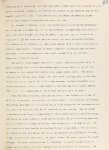
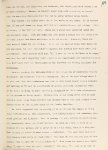
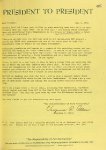
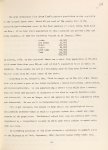
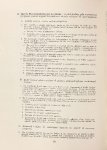
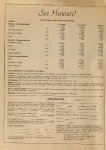
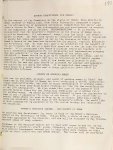
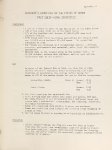
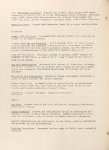
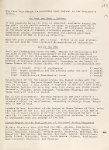
Show METIMES SE NEEDS HElP jout 12.2 million persons receive some kind of fderally assisted welfare and virtually all handicapped by age, physical condition, education, training or family circumstances. More ,an two million are over 65; 874,000 are totally disabled; some 80,000 are blind; more than ight million are children and those caring for children, and 926,000 are on general assistance. e SOME OF HtR CHILDREN ARE SICK If a poor mother in the ghetto needs a doctor for her sick child, she has one-half the chance of other city residents in locating one. Her child has to a dentist, for 64% of all poor children have nver had their teeth only one-fifth to probably never been examined; 50% have never been innocu1ilted against polio, and of the 5% of children born mentally retarded, 75% of them Poor families have three times more live in poverty neighborhoods. disabling heart disease, seven times more visual impairment, and five times more mental illness than other families. If she is living on an Indian reservation, her baby may be one of 36 out of a 1,000 to die before it is a year old; the infant morta 1 i ty rate for the who 1 e country is 21 deaths in She will take her child to a doctor who has 900 other every 1,000. patients and to a dentist who serves 2900 other Indians. Her child will complete only five school years and will die by age 44 instead of by age 70, the average for other Americans. SOME OF HER CHILDREN NED CARE There are only 640,000 places available in licensed child care centers and family homes, less than 12% of the need. Federally sponsored centers account for 249,000 of the children in chil d care. Of the 1 i censed centers run by pub 1 i c aqenc i es, churches, chari ty organ i za t ions and buslness firms, 60% are commercial operations run for profit. Despite federal child labor laws, over 13,000 violations were uncovered in 1970, up 15% from .1969. One estimate indicates that this is the tip of the iceberg, that 75,000 or more children, some as young as seven, eight or nine years old, worked during school hours or in hazardous /'" occupations. :SHE IS 29 YEARS OLD The median age for a woman today is 28.9, while the median for her male counterpart is 26.4. Black women are considerably younger than their white sisters with a median age of 22.5 com pared to 29.9 for wht te women. However, the 1 i fe expectancy of black women is 6R; white, 75. Children under 14 account for more than one-quarter of the feminine sex in the United States. SHE GOES TO SCHOOL Most young were women hold a high school diploma. Of the women in the age group 20 to 24, high school graduates in 1970, as were men in the same age group. 80% But relatively few women have gone on to earn a college degree. In 1970 the per cent of all 21 who had been through four or mere year's of college was 8.5% compared to 13.8% for men. In the same year 8.8 of all white women over 21 had completed college but only 5.5% 'f all black women over 21 had completed college. wumen over 1E LAGS PROFESSIONALLY : widest gap between men and women's education appears at the professional level. Only 9% all scientists are women, 7% of all 3% of lawyers and just 1% of engineers and physicians, ral judges. Although women have always made up a large proportion of the teacher corps, '1er cent of w n 11ege faculties has been steadily declining since 1940. In that % of all college pro ssional positions were held by women, in 1969 they were only 22%. .\ |