| OCR Text |
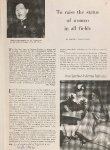
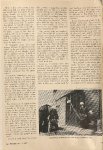
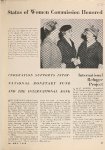
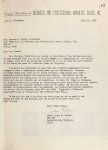
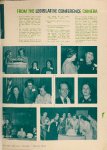
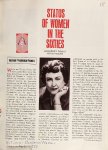
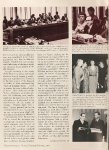
Show no less than spectacular. Since the United Nations was founded in been THE STATUS OF WOMEN THE UN COMMISSION ON 1945, thirty-seven countries have ex or limited voting or elec rights to women. In all, today, tended full toral THIRTEEN YEARS of there are seventy nations where wom en may vote in all elections and are PROGRESS for WOMEN WHEN Commission of Status the on a full Women was created in 1946 as So and Economic the commission of cial Council, it was an epochal For the first time the battle event. for rights was joined on an in be ternational front. The rights to lib were not only the political sought erties but also the basic 'human rights, education and including the right to women's opportunity. economic to discriminations centuries-old The edu against women-civil, economic, social-were to cational, political and he brought to the surface, analyzed, attacked and on many countries front, in broad a for the first time in all history. a monumental small 18-nation commission United Nations Before such seem may task, a the of puny a in the allevi body. Yet its importance the ation of human misery and in freedom and new of creation hope can for women in many countries, hardly be exaggerated. How huge be can small so a brick in the of the United Nations accom important? What can it a It meets but once a year for structure so plish? period. three-week spend sions It seem may of its time in open ses telling itself of the progress most made in its member countries, menting UN the to on documents Secretariat com prepared by specialized and half-dozen agencies, and debating the it adopts annually. How resolutions can such a body make even a small impression on the centuries-old illiter of prejudice, superstition, and morass the progress of man acy that retard kind in much of the world? Yet its notable achievements over a the past thirteen years are having women all vast impact on the lives of over the world. The Commission on the Status of Women has made important contribu tions to the extension of political rights to women and to women's edu- regarding the rights and re sponsibilities of political freedom. It has developed an impressive body provisions model in family law relating to the rights of married wom en, with resultant changes in the laws of many countries. It about but steadily slowly is.Increased educational bringing oppor tunity for girls as well as boys. It is exploring all possible economic opportunities for women and has always, stressed the principle of "equal pay for equal work," THE COMMISSION'S initial efforts were in the realm of political liberties. political rights, the Commis Without sion little felt, in women other could fields. accomplish Hence its first goal, proclaimed in 1946, was the "equal participation of women in gov ernment and the possibility for women to exercise all the rights and assume all the duties of citizens." Working through its parent body, the UN Economic and Social Coun As cil, and through the UN General the Commission has affected sembly, a of UN resolutions calling member states to "fulfill the pur number on the (UN) Charter" poses and aims of of with respect to the political rights women. in The first important victory came Gen December, 1952, when the UN eral Assembly adopted the Conven tion on the Political Rights of Women, international "the first instrument of and pro law aiming at the granting world tection of women's rights on a been has Convention wide basis." The states and ratified signed by forty-one or acceded to by thirty-one. on the Po A booklet, "Convention Women-History of litical Rights in published Commentary," and to work been helpful has very 1955, * in this field. this constant ham of results The and pride consciences mering at the have of people the governments of ers other countries limited voting or electoral rights. In only eleven countries have they no political rights at all. reports on the trust territories and the non-self-governing territories sub mitted to the Commission. To help women learn how to their cise exer newly acquired rights, a Educa "Political entitled pamphlet tion of Women" was prepared in 1951 by the Department of Social Affairs, the at the request of into a Commission. of number Translated lan guages, it was widely used. Another valuable means of enlight ening women regarding their political rights and responsibilities are the re gional seminars which were instituted several years ago by the Commission seminar on Human Rights. The first the Sta was held under the auspices of in Commission August Women of tus of 1957, in Bangkok, at the invitation the government of Thailand. It dealt with the "civic responsibilities and in creased participation of Asian women in The results public Iife."" were so seminar was satisfactory that a similar Colombia, in May of held in Bogota, this year and a third will be held in Addis Ababa, Ethiopa, in 1960. field in which The second great Commission the on Status the of is Women has made notable progress The Commission civil rights. that of the first to attack internationally of the problem of the low status law. or family women in was private ac The root of the discrimination, Commission, lay in the to cording married the subordinate status of the Since the beginnings of his woman. tory, the husband the family. power over He has been the head of has the home, had complete the children, the person of the property and even a wife his wife. In many countries still, national automatically loses her own ity upon her marriage. this The Commission has attacked studies of three By in ways: problem laws and tions to practices; by governments measures" to recommenda to "take ensure all women possible law; and equality of rights in family NATIONAL 14 five in men; ifying increase in the extension of suffrage to women," revealed by the cation of with women have The Commission has noted "a grat By GENIEVE N. GILDERSLEEVE THE UNITED NATION'S eligible for election on an equal basis BUSINESS J v<..h it /9S- WOMAN |