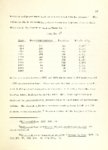
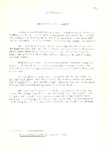
| OCR Text |
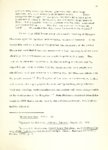
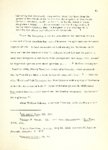
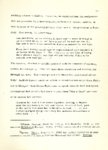
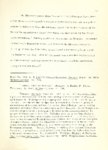
Show 47 in central Scotland's industrial areas. industrial discontent, to organize emigration mentary aid, and when the death in life the thousands of the position Miller complained that: sess us In years. It has been our hope failed, in Britain. ,,1 a for utterly impossible landlords, cons equentl y becomes theirs; and either ourselves we children, or classes in for driven parlia- somehow out of struggle areas were petitions Paisley us indicates weaver found themselves in to pay this the little cannot or year any rent property ex'p e c t they We have shall be turned to the street, we A of social and letter to his Member of Parliament Adam houses for another term. that to which many in the distressed thes to clamouring there regions laboring societies" onditions during e In the no we now will let pos [rent] other prospect but without implements a blanket to to work at cover our trade.2 In addition to increased the l830' and 40's also stimulated the "Chartism," IJ. the British social and emigration the increase in political Factory Acts, unrest of the Reform Bills, societies and schemes such as et al. (gen. eds.), The Cambridge History Empir (Cambridge, England, 1940), II, 438. of an cooperative Holland Rose 2Letter Campbell, M. P., ibid., 439; see almost Sprowl in his Diary, January 31, 1847. For further consideration of emigration as a means of solving labor problems se W. S. Shepperson, British Emigration to North America, Projects and Opinions in the Early Victorian Period (Minne apolis, University of Minnesota Press, 1957), pp. 76-109; also Rowland to Archibald identical statement made T. Berthoff, (Cambridge, British by Andrew Immigrants in Industrial America Mass., Harvard U'n i.v e rs i t y Press, 1953), 1790-1950 pp. 1-122. |