| OCR Text |
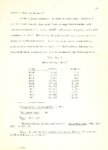
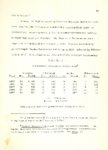
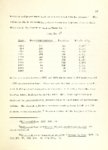
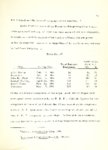
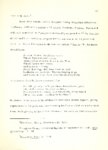
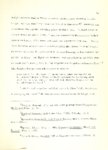
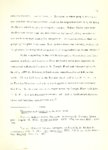
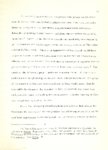
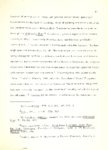
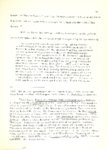
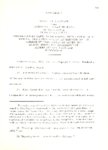
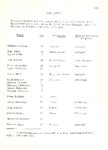
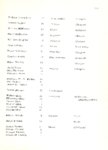
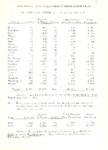
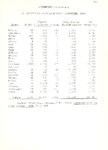
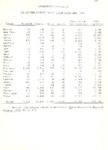
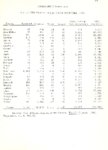
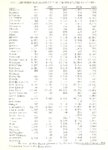
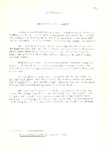
Show 21 the four major 1855-59 their relative b r an c he noted further that other Scottish m ernbe r s h ip, the other that the of the church in Scotland and in s s i ze s canbe seen in .T'ab l e No.2; throughout in terms of branch onferences sometimes areas the period 1840-1900" a.c c o un t i n combined. g j fo r twice This may be theiyea r s It should be Glas gow led- the organizations as and total many Mormons.as partly expl a in e db y the fact Conference contained the most concentrated segment Glasgow ? of the Scottish population and section of the trial country. development did not contemporary report ant throughout as s hope always ic heavily prosperity benefit the erted that religious Glasgow.l industrialized occasioned factory indus- by workers and and moral deca y a was ramp- The Mormon elders with and life in Zion made ready appeal a to the areas.2 of such industrial 111Social also the most e conorn Lanarks hire and their message of masses The was and Moral Condition of the Manufacturing ,Districts in Scotland," Blackwood's Edinburgh Magazine, L, 659-73; see also J'arne s Mackinnon, The Social and Industrial History of Scotland from the·Union to the Present Time (London, Longmans, Green and. Company, 1921)., Note: In 1851 Glasgow's population was 345,000 while the 151-4. combined total for the other five Aberdeen, Paisley 2Letter, and William C. City, September 26, ety); Reynolds N ewspaper (MS 713.-f -XXX, was towns (original cited in Millennial St a r Office), Seventy,. Salt in Utah State Historical Soci 412; William Gdb s on ; in Church Historian's (Edinburgh, Dundee, 360,000. Dunbar to 39th Quorum of 1854 Lake Star, XXIX, leading Kilmarnock) 129 (There XX, 500; Millennial Journal, BookNo. 151B are , fo_ur journals by |