| OCR Text |
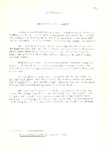
Show 12 Success did eventually crown Pratt's labors, for on October 17, 1840 he could write that: The work progresses slowly i n.Eld i nb u r g h. The-Church here numbers 74 every week. Some baptised rn e rnb e r s .... We preach about seven times on every Sabbath, and we also preach every night in the streets. When the weather will per mit, large congregations gather round us eager to hear. The work will go ahead, however, opposition or no opposition. .. . Thus did Mormonism gain a foothold in Scotland's two 1 largest cities, a necessary forerunner to the movement of hundreds of Scots to Western America--converts to Mormonism and its doctrine of "the On Isabel September of Begg, 2 Walter C'r a n e and his sailed from the Paisley, first Scottish Mormons to IMillennial 2The "go Clyde on home" to Zion. 3 214; Star, I, see also I, of wife, the One gathering. Glasgow, ,,2 and "Archilles," the n;-onth later Samuel 192. Mormons believed that they s ho ul d gather in one place in Kingdom on earth and prepare for the eventual gathering place, which was changed from time to order to build up God's Millennium. time, "Babylon. The usually was ,t referred to This doctrine was as "Zion" while the rest of the world the impetus for the far was flung missionary See Doctrine and Covenants, Section activities of the young church. 28 7 -8; 63: 36; 84: 2 -4; also William Mulder, Homeward to Zion. The Mormon Migration from Scandinavia 1958), nesota Press, "Going home to Zion" 3History (Minneapolis, University of the Scottish Mission, was a familiar September 2, expression among the church and records indicate that in the bles was sing 1840. Note: the members of of infants the hope should grow in the faith and" go home to See Auchinearn Branch, Record of Members (MS in Church often Zion." of Min 314. 18, e xpr e s Historian's sed that Office). they |