| OCR Text |
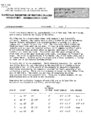
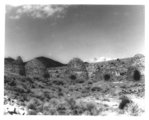
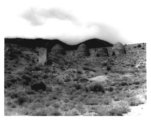
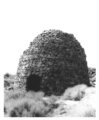
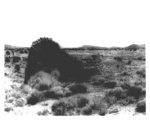
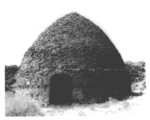
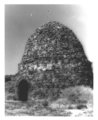
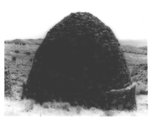
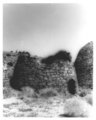
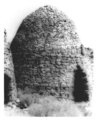
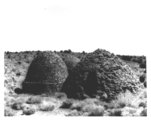
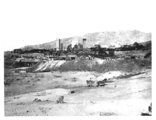
Show FHR-8-300A (11/78) UNITED STATES DEPARTMENT OF THE INTERIOR HERITAGE CONSERVATION AND RECREATION SERVICE NATIONAL REGISTER OF HISTORIC PLACES INVENTORY -- NOMINATION FORM CONTINUATION SHEET ITEM NUMBER 8 PAGE 6 and 1/2 miles south of Salt Lake City. 24 Smelters in the Salt Lake Valley began to come into prominence, especially with competing railways and cheaper freight rates. Effected by the above conditions, the Frisco Mining and Smelting Comapny closed and dismantled its smelter in 1884. The kilns remained, with no explanation as to why. Output from the company's mines were being sent to Salt Lake smelters, and some later to the Tintic smelter. 25 Production figures cited by Bert S. Butler go to April 1, 1884 (fas cited), and then from April 1, 1884 to December 31, 1909 (6,052,050 tons). 25 Thus, these figures apparently represented those compiled before and after smelter closure. Post-1884 witnessed sporadic and limited work with the Frisco Mining and Smelter Company property. In 1886 the Carobonate dump and tailings pile were being concentrated by leasers, and one G. S. Handy was working over a portion of the company's slag dump, shipping 283,280 pounds of matte (a brittle product obtained in the smelting of sulphide ores). 26 By 1892-93, the Frisco Mining and Smelting Company was no longer listed in the Utah Gazetteer. To 1900 the Horn Silver Mine was the only producer in the Frisco area. 27 In 1901 the Carbonate and Rattler Mining Company incorporated based on a bond held on the Carbonate and Rattler mines, then "old" properties of the Frisco Mining and Smelting Company. The property underwent further development, but in 1914 it was sold under a sheriff's sale to foreclose a mortgage held by the Horn Silver Mining Company. 28 Little is known about the later disposition of the property, but by 1933 the major part of the Frisco area was controlled by the Tintic Lead Company. 2^ The kilns, however, have survived the vicissitudes of the mining industry and time, and allow the present-day observer a glance at past technology and life. As stated in the conclusion of an anthropological study of Colorado's cultural resources, these kilns in Utah need both archaeological and historical analysis for further illumination. 30 In the case of the Frisco charcoal kilns, the potential for obtaining further knowledge through historical archaeology is indeed good. These five kilns stand as among the earliest and best preserved charcoal kilns identifed in the state of Utah. |