| OCR Text |
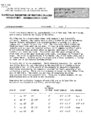
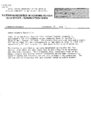
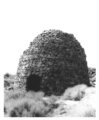
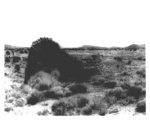
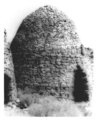
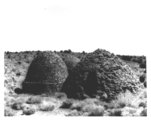
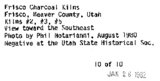
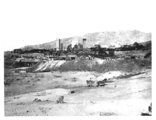
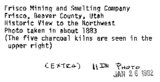
Show FHR-8-300A (11/78) UNITED STATES DEPARTMENT OF THE INTERIOR HERITAGE CONSERVATION AND RECREATION SERVICE NATIONAL REGISTER OF HISTORIC PLACES INVENTORY -- NOMINATION FORM CONTI NUATION SHEET ITEM NUMBER PAGE from 2 3/4 to 3 1/2 cents per bushel. About 50 bushels are produced per cord charred. The coal is bought by weight, 17 pounds making a bushel. It is shipped to the smelters in racks, at a cost of from 3 to 5 1/2 cents per bushel for hauling, dependingon the distance. The price received is 18 cents per bushel. Kiln hands are paid from $2 to $2.75. The labor required averages one man per kiln per twenty-four hours. 13 In 1882 a specific description of the five kilns appeared in The Engineering and Mining Journal. At that time charcoal sold for 16 cents per bushel.The report stated: Each kiln burns at one time 32 cords of wood, making from 1200 to 1500 bushels of charcoal-pinon pine, at a cost of $6 per cord, being used. It takes from six to ten days to burn a kiln. The company uses about 30,000 bushels of charcoal per month, besides about ten cords of cedar wood per day, at a cost of $3 per cord. 14 Scrutiny of the 1880 manuscript census population schedule aids in an understanding of the Frisco charcoal industry. The stages in the production of charcoal have been defined as kiln construction, wood cutting and hauling, charring, and freighting to the smelters. The Frisco Mining and Smelting Comapny had their five kilns next to the smelter; thus, alleviating the cost of freighting. According to the census, taken in June, 1880, there were in Frisco 4 coal contractors and 21 coal burners. In addition, 7 stone masons, 1 brick mason, 2 wood contractors, and 5 wood choppers appeared on the roles. In the case of the coal contractors, their average age was 42, whereas, the coal burners averaged 27 years of age. Fourteen of the 21 burners were single men, and most resided in multi-family households, probably boarding or lodging houses. In several cases persons of related charcoal burning tasks lived in the same household, but not exclusively. 15 This case points to the opposite view that charcoal hands lived under worse housing conditions than did other mine employees.' 6 Coal burners were exclusively either from the United States or from northern European countries. Seven burners were listed as born in Utah Territory. One family, the Angels, from England, numbered four brothers, all coal burners. The coal contractors were all born outside of Utah-two in Illinois, one in Ohio, and one in Germany. 17 Charles Lamendorf, from Germany, was also active in the Tintic Mining District in Juab and Utah counties. Thus, the charcoal industry in Utah, as were most mining-related enterprises, was a product of importation into the territory by others experienced in the field. |