| OCR Text |
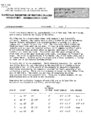
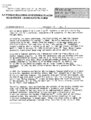
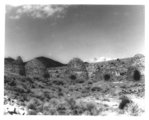
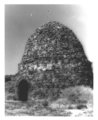
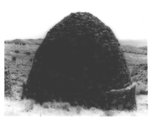
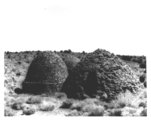
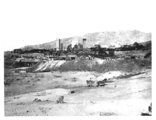
Show FHR-8-300A (11/78) UNITED STATES DEPARTMENT OF THE INTERIOR HERITAGE CONSERVATION AND RECREATION SERVICE NATIONAL REGISTER OF HISTORIC PLACES INVENTORY « NOMINATION FORM CONTI NU ATION SHEET ITEM NUMBER 8 PAGE Smelting activity of the Frisco Mining and Smelting Company reached its highest during the years 1879-1884. The following are the tonnages of ore and concentrates from the Carbonate-Rattler mines treated at the Frisco smelter from 1879 to April 1, 1884: 1879-1880 1881 1882 1883 Jan. 1 to April 1, 1884 130,759 648,295 1 ,785,260 961,874 78,86218 In 1878 the smelter's furnaces had treated 222 cars of bullion from the Bonanza and Cave mines--4,669,828 pounds of lead, 284.820 ounces of silver,and 526-1000 ounces of gold, for a value of $417,470.25J 9 The Salt Lake Tribune, in June, 1881, stated that in Frisco, "The demand for charcoal is now greater than the supply, and all the kilns in these parts are crowded to their utmost capacity." During 1882 the smelter was reportedly working nearly 20 tons of ore daily from the Cave mine alone. 20 Therefore, during the 1877 to 1884 period the Frisco charcoal kilns were at their peak of production. Factors intervened to change the nature of the charcoal and the smelting industry in Frisco. Charcoal became an expensive fuel. As of March, 1879 the total cost of smelting one ton of ore amounted to $18.54 for the Frisco Smelting Company. Of this amount, charcoal accounted for $8.37; or about 45 percent of the total. Labor, the second largest cost, was $4.25 per ton of ore smelted. The ore smelted required about 46 bushels of charcoal per ton. Forty-six bushels translated into one cord of wood. The 1882 report cited earlier stated that 30,000 bushes! of charcoal were used per month, or approximately 652 cords of wood. In addition, 10 cords of cedar wood were used per day for roasting the ore. 22 As wood reserves dwindled, the cost escalated. The increasingly cheaper freight rates, coupled with the growing coke industry in Utah, made coke a cheaper and better fuel. During 1886 railroad competition in transporting coke from Pennsylvania and San Francisco to Utah had brought the price of the commodity down." In addition, during the early 1880s, the Denver and Rio Grande Railroad opened the vast coal fields of what was to become Carbon County; and in the latter years of that decade, Castle Gate coke would be produced as an excellent fuel. Sunnyside coke would follow. High labor costs, lack of water, inferior and highly priced charcoal, and the lack of good fluxing ore (ore containing fluxing agents those that assisted in fusion required in the reduction of richer ores), all prompted the Horn Silver Mining Company to cease smelting operations at Frisco in 1882. During 1881 the company had erected a smelter which burned coke at Francklyn, some 6 |