| OCR Text |
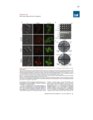
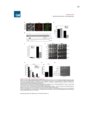
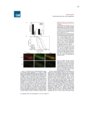
Show 22 Molecular Cell A Stress-Responsive System for Mitochondrial Protein Degradation Jin-Mi Heo,' Nurit Livnat-Levanon, 2.8 Eric B. Taylor,' ,8 Kevin T. Jones,3.8,9 Noah Dephoure,4 Juli a Ring,6 Jianxin Xie,8 Jeffrey L Brodsky,7 Frank Madeo,6 Steven P. Gygi,4 Kaveh Ashrafi,3 Michael H. Glickman,2 and Jared Rutter' ,' Departl'Tl9llt Of Biochemistry, Uriversity of Utah School of MediCine, Salt Lake City, UT 84112, USA 2Departl'Tl9llt of Biology and The Russel l BeI1ie Nanotecmology Institute, Techrion, Israel Institute of Tech nology, 32000 Haifa, Israel 3Departl'Tl9llt of PhysiOlogy and UCSF Diabetes Center, University of Califorria, San FranciSco, San FranCisco, CA 94156-2517, USA ~ Departl'Tl9llt Of Cell BiOlogy, Harvard UniverSity MediCal School, Boston, MA 02115, USA 5Departl'Tl9llt Of Microbiology, Institute a Molecular Biosciences, Kar1-Franzens-Urivarsity Of Graz, Graz, Austria 6Ce11SigJaiing Tecmology, Inc., Danvers, MA 01923, USA 1Departl'Tl9llt of BiologiCal Sciences, Urivarsity Of PittstH.-gh, PittstH.-gh, PA 15260, USA 8These authors contributed equally to thiS wO/1( gPresent address: Department of Molecular, Can, and Developmental BiOlogy, UriverSity of California, Los Angeles, Los Angeles. CA 90095, USA 'Correspondence: I'\ltterObiochem.utah.edu DOI 10.1016/j.mok::eI.2010.10.021 SUMMARY We show that Ydr049 (renamed VCP/Cdc48-associated mitochondrial stress-responsive-Vmsl ), a member of an unstudied pan-eukaryotic protein family, translocates from the cytosol to mitochondria upon mitochondrial stress. Cells lacking Vmsl show progressive mitochondrial failure, hypersensitivity to oxidative stress, and decreased chronological life span. Both yeast and mammalian Vmsl stably interact with Cdc48NCP/p97, a component of the ubiquitinlproteasome system with a well-defined role in endoplasmic reticulum-associated protein degradation (ERAO), wherein misfolded ER proteins are degraded in the cytosol. We show that oxidative stress triggers mitochondrial localization of Cdc48 and this is dependent on Vmsl . When this system is impaired by mutation of Vmsl, ubiquitin-dependent mitochondrial protein degradation, mitochondrial respiratory function, and cell viability are compromised. We demonstrate that Vmsl is a required component of an evolutionarily conserved system for mitochondrial protein degradation, which is necessary to maintain mitochondrial, cellular, and organismal viability. INTRODUCTION Mitochondria are dynamic and complex organelles that are essential for many aspects of cenular function including metabolism and cell death. ConsiStent with these critical roles, mitochondrial dysfunction is associated with most aging-related human diseases, including neurodegenerative diSorders, type 2 diabetes, and cancer ('Nallace, 2005). The best current inventory of mammalian mitochondrial resident proteins consists of 1098 proteins (pagliarini et aI., 2(08). Surprisingly, nearly 300 of these proteins have completely undefiled functions, including many that are highly conserved throughout eukarya, indicating that they perform a fundamental and important function (Meisinger et aI., 2008; Pagliarini et aI., 2(08). The genes that encode the mitochondrial proteome are heavily represented among known human disease genes, with about 20% of predicted human mitochondrial proteins implicated in one or more hereditary diSeases (AndreoW et aI., 2004; Eistner et aI., 2(08). Presumably, the q.J8rter of the mitochondrial proteome that is uncharacterized contains other proteins with links to human disease that await discovery. Making these connections would be greatly facHitated by an understanding of the biochemical and physiological function of these proteins. Therefore, we initiated studies to determine the genetic and biochemical functions of a subset of these conserved but uncharacterized mitochondrial proteins (Hao and Rutter, 2009). As a result of thiS project, we previously identified the unstudied YoI071 yeast protein, which we named S<tl5, as a critical assembly factor for the succinate dehydrogenase complex! complex II (Hao et aI., 2009). By virtue of this observation, we identified the human SDH5 ortholog as the causative gene in a famWial form of the pa-agang~oma neuroendocrine tumor syndrome (Hao et aI., 2009). We describe herein another unstudied conserved mitochondrial protein, Ydr049, which we now designate VCP/Cdc48-associated mitochondrial stressresponsive 1 (Vmsl). VMS1 is highly evolutionarWy conserved, with one ortholog existing in most eukaryotic species. Initiany using yeast, we show that Vmsl protects mitochondrial respiratory function arid combats cell death in response to various stress stimuW. Both yeast and human Vmsl copurify with Cdc48lVCP/p97, and we show that Vmsl stably associates with both Cdc48 and its cofactor Np14, which have wel-deflled roles in the degradation of endoplasmic reticulum (EA) proteins by the proteasome. Wefnd thatCdc48 recruitment to mitochondria is Vmsl dependent and that thiS system is required for normal mitochondrial protein degradation under stress conditions. Molecular Cell 40, 465-460, November 12, 2010 002010 Elsevier Inc. 465 |