| OCR Text |
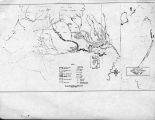
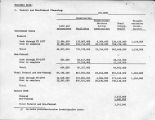
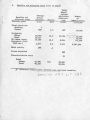
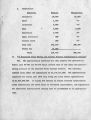
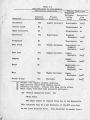
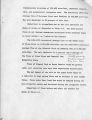
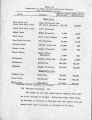
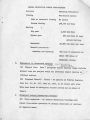
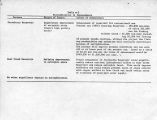
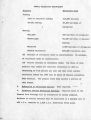
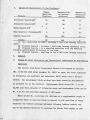
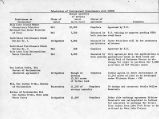
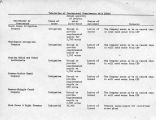
Show Of the 164,500 acre of water developed in the Uinta Basin, an average of 21,400 acre-feet per year would be used within that basin for irrigation, and 6,500 acre-feet would be released to maintain minimum fishery flows in Rock Creek and the Strawberry River. The balance of 136,600 acre-feet would be diverted via the Diamond Fork Power System to the Bonneville Basin. An average of 9,600 acre-feet would be released into Utah Lake to supplement Bonneville Unit supplies in the lake; 9,000 acre-feet would be delivered for municipal and industrial use in southern Utah Valley, Juab Valley, and the Sevier River Basin. About 105,000 acre-feet of the water developed in the Bonneville Basin would be realized through reduced evaporation on Utah Lake by diking Provo and Goshen Bays. About 76,000 acre-feet of this amount is attributable to Goshen Bay and 29,000 acre-feet to Provo Bay. About 22,000 of the 29,000 acre-feet would be consumed through agricultural development of Provo Bay. The remainder of the Bonneville Basin supply would result from the capture and reuse of Bonneville Unit return flows in Utah Lake and in Mona and Sevier Bridge Reservoirs. the bulk of the water supply developed through the diking of Utah Lake would be transferred by exchange to the proposed Jordanelle Reservoir, mainly for municipal and industrial use in Utah and Salt Lake Counties. (Some areas of these two rapidly growing counties, with an estimated July 1976 population of 692,000, are already facing serious shortages of municipal and industrial water.) This exchange would be accomplished by withholding the high flood flow and part of the winter flow of the Provo River in Jordanelle and the existing Deer Creek Reservoir and replacing it with Bonneville Unit water in Utah Lake. |