| OCR Text |
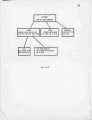
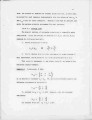
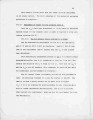
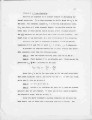
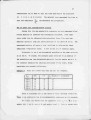
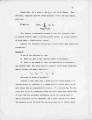
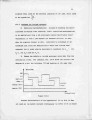
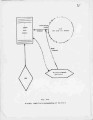
Show r.i Macror-'netful inq can rofor to those ichodulina oncrations which are related to the allncation of crentral memorv. Tht.' time interval between two macrodocisions would be rather laron (qrr-.nter th.m 100 milliseconds on most systems). Microschodul.nn would concern the allo-cation of tho arithmetic and control unii-; tnd of somn fast luisson, to programs w'nicli are already nssenti.il Iv nresont in „entral mom^rv. For instance, the daeiaion of what -oh is Rllocatttd 'i-cer.-: to the drum for paqe-in ind ^aqo-out operatloiM Imtween drum and :-. »in cor^ memorv is a microsc'i!cdul inq decision In'currant comoutet S'/atona wh. to the programs are ker t in core While waning takes tdac'-'. In Future computer systems, this kind of naqinq will most probably be-replacad bv a D.uiina between two fast levels of memory, like on tha 160./85! I prefer the words "microschcduling" an^i "r.icro^cheduli nc-" to "microqueuinn" and "macre lueuina" [5] , becau.so the latter Kuqnest the use of FIFO quauea bv the aehedulinq algorithm, which la a practice that this chanter prcciselv tries to dltcredit. Note that, in our term-inology, "schedulinq" and "allocating" are synonvmnus. The macroschedulor receives the predicted probable usaqo ratios, a.,, and tlio urqency, c, for nach user fi who wants to run. Then the mäcroGcheduler will solve the '■Vithenatical Prooramnlnn oroble-n (defined in III. 3.3). I'avinq determined tlie set of uaora to be Allocated durin«:: a certain real-time interval of lenqth 7, and t'ü.1 matrtcea (p, .) and 1 i (w ) for the users in this set., the MCroaeheduler assures that the non-preonntible resources will bo allocated to thoaa irerr., and transfers the values of (r .) and (w. ) to the Rlicroachedulor« The mlcroachedular controls the acceaa of the usara to the ore- |