| OCR Text |
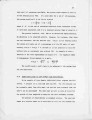
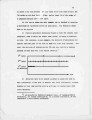
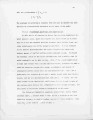
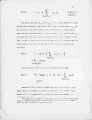
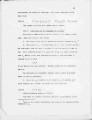
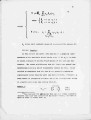
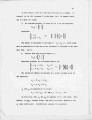
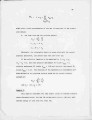
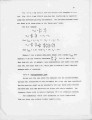
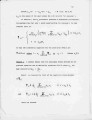
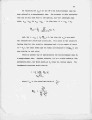
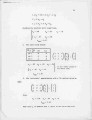
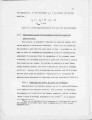
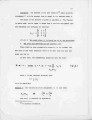
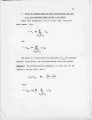
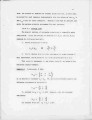
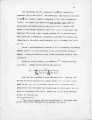
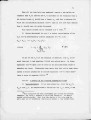
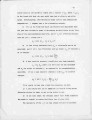
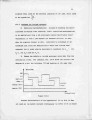
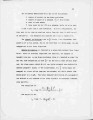
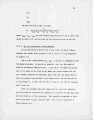
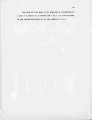
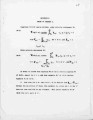
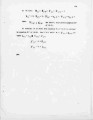
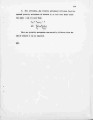
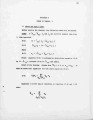
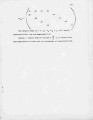
Show 42 and, as a conseaucnce 6f S a.. • 1 3 ^ E w. ■ X u, I i 5 j The overhead of switching a resource from one user to another has been and will b< systematical.lv neqlected in the study of the mode] . ITi.3.2 Fundamental equations and consequences. It will now be of interest to dorivo the equations describing the worst possible cases, where the rsquests arc synchronized in an order such as to qet the smallest possible progress rates and the least pos-sible simultaneous use of the resources available. This .is relevant to the general philosophy that the svstcm should always expect the highest amount of conflict within certain computed bounds. It should not oversell itself to the users, guaranteeing then a service that it would eventuallv not be able to aivo. Even if the system would decide to take some chances for a greater expected profit, probabilistic modi Is would be dangerous because they assume a randomness and absence of correlation between users which are not generally true. Also, for a given user, the requests do not have a random length under «one distri-bution, and are not uncnrrelated with each other. Of course, the com-puter could comi ute Marl-ovc'aain coefficients tor the demand Strings of the various users and use this information to get a better schedule, but this seems to exceed the allowable overhead of an allocator. The following fundamental equations express that, in the "worst possible case", a process would be wait ng for a resource at any time when this resource is used by another process or hinner priority. Note that 1-w. is the rate of v.aitinf of user i. i |