| OCR Text |
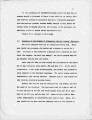
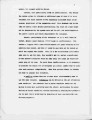
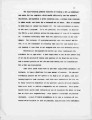
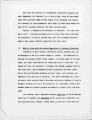
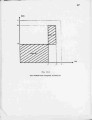
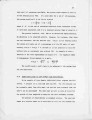
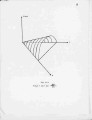
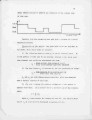
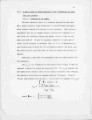
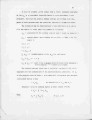
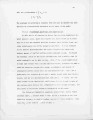
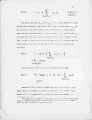
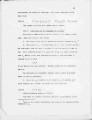
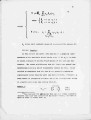
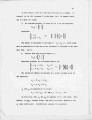
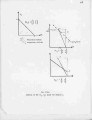
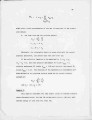
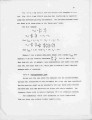
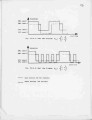
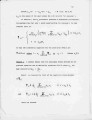
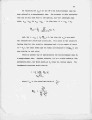
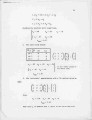
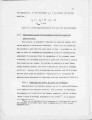
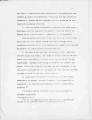
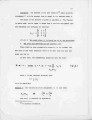
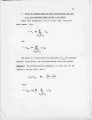
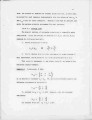
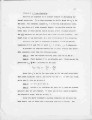
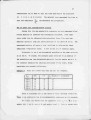
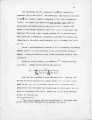
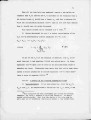
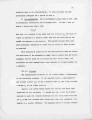
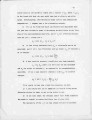
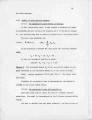
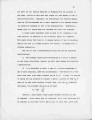
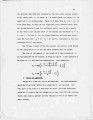
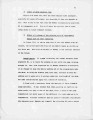
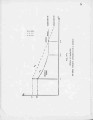
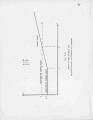
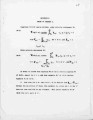
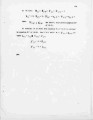
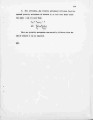
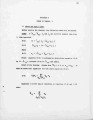
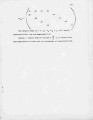
Show 4.1 (III-l) 1 - w. ^ ^_ ak . wk (O^w.^1) For qivGn matrices (a. ,) and (p, .), it is always possible to find tj rij virtual time diagrams of the users, which have the usage ratios a, . for ij the resources, and such that each job might have the maximuBl waiting rate given bv eouations III-l. Tn other words, if the coefficients a, .n are known for cachi job, but not the exact virtun.l time diaqrams of tlie jobs, it can bo said a priori that the jobs will have progress rates at least equal to the w.'s, if and only if the following equations are satisfied: (III-2) 1 - w.^ min ( 21 ak. w^ , 1 j Pkj'<Pij ( V i: l^i^n) ( 0^w.$l ) An equivalent form is given in the following equationsi (III-3) V i, either w. = ü or !> w + ^_ CL . w, (w > 0) pkj<pij Equations (III-2) define a domain of values for the w.'s. Anv point within this domain can alwavs be reached if the syateffl should Q desire it. This domain will ho called the attainable domain, or g The action to be taken by the System to reach a particular ooint in this solution space will be described in section III.4. A forml proof of this statement is not given here. |