| Title |
Floyd H. Hogan, Bountiful, Utah: an interview by Benjamin J. Bahlmann, September 27, 2002: Saving the Legacy tape no. 603 |
| Alternative Title |
Floyd H. Hogan, Saving the legacy: an oral history of Utah's World War II veterans, ACCN 2070, American West Center, University of Utah |
| Creator |
Hogan, Floyd H., 1917-2012 |
| Contributor |
Bahlmann, Benjamin J.; University of Utah. American West Center |
| Publisher |
Digitized by J. Willard Marriott Library, University of Utah |
| Date |
2002-09-27 |
| Date Digital |
2015-12-16 |
| Access Rights |
I acknowledge and agree that all information I obtain as a result of accessing any oral history provided by the University of Utah's Marriott Library shall be used only for historical or scholarly or academic research purposes, and not for commercial purposes. I understand that any other use of the materials is not authorized by the University of Utah and may exceed the scope of permission granted to the University of Utah by the interviewer or interviewee. I may request permission for other uses, in writing to Special Collections at the Marriott Library, which the University of Utah may choose grant, in its sole discretion. I agree to defend, indemnify and hold the University of Utah and its Marriott Library harmless for and against any actions or claims that relate to my improper use of materials provided by the University of Utah. |
| Spatial Coverage |
San Diego, San Diego County, California, United States; Salt Lake County, Utah, United States; Tunisia; Italy; England, United Kingdom; France; Netherlands |
| Subject |
Hogan, Floyd H., 1917-2012--Interviews; Veterans--Utah--Biography; World War, 1939-1945--Personal narratives, American; World War, 1939-1945--Aerial operations, American; World War, 1939-1945--Campaigns--Europe, Northern--Personal narratives, American; World War, 1939-1945--Campaigns--France--Normandy--Personal narratives, American; World War, Arnhem, Battle of, Arnhem, Netherlands, 1944--Personal narratives, American; 1939-1945--Campaigns--Europe, Southern--Personal narratives, American; United States--Navy |
| Keywords |
Truck driving; Saliors; Destroyer (Ship); Electricians; Army Air Corps; Kairouan; D-Day; Operation Market Garden; Paratroopers; Flight instructors |
| Description |
Transcript (122 pages) of an interview by Benjamin J. Bahlmann with Floyd H. Hogan on September 27, 2002. From tape number 603 in the "Saving the Legacy" Oral History Project |
| Collection Number and Name |
Accn2070, Saving the Legacy oral history project, 2001-2010 |
| Abstract |
Hogan (b. 1917) was in Woods Cross, Utah. He discusses farming, family, growing up years, the Depression, schooling and jobs. He joined the Navy in the fall of 1935 and received basic training at the Naval Training Station in San Diego, California. He was assigned to the USS Borie and achieved 3rd class petty officer in fire control. Assigned to the USS Lawrence for decommissioning. Finished his 4-year service on the USS Winslow until discharged. He returned to Salt Lake City and worked for Western Electric until January 20, 1942 when he joined the Army Air Corps. He first was sent to Mesa, Arizona, then Oxnard, California, for Primary training in Stearmans. He continued at Merced, California, for basic, flying BT-13s, and took advanced training in Stockton, California, flying T-6s. He was sent to Indianapolis, Indiana, to check out on C-47s and was then assigned to the 27th Troop Carrier Squadron at Pope Field. He joined the 314th Troop Carrier Group and was ordered overseas, where he was based in Kairouan, Tunisia, ferrying gliders. He participated in Husky One into Sicily, then moved to England to prepare for the D-Day Invasion. He describes his activities and experiences in and out of combat. He participated in Market Garden before returning to the States in December 1944. He was assigned to Stockton, California, as an instructor and was discharged in the summer of 1945. Mr. Hogan stayed in the Reserves and reapplied for his commission in 1947. He was assigned to Hill Field as chief of maintenance and retired as a lieutenant colonel with more than thirty years of service. Interviewed by Benjamin J. Bahlmann. 122 pages. |
| Type |
Text |
| Genre |
oral histories (literary works) |
| Format |
application/pdf |
| Extent |
122 pages |
| Language |
eng |
| Rights |
 |
| Scanning Technician |
Mazi Rakhsha |
| Conversion Specifications |
Original scanned with Kirtas 2400 and saved as 400 ppi uncompressed TIFF. PDF generated by Adobe Acrobat Pro X for CONTENTdm display |
| ARK |
ark:/87278/s6b29xct |
| Topic |
Personal narratives--American; Veterans; World War (1939-1945); Military operations, Aerial--American; Arnhem, Battle of (Netherlands : 1944) |
| Setname |
uum_slohp |
| ID |
1031281 |
| Reference URL |
https://collections.lib.utah.edu/ark:/87278/s6b29xct |
| Title |
Page 64 |
| Format |
application/pdf |
| Setname |
uum_slohp |
| ID |
1031221 |
| OCR Text |
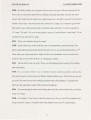
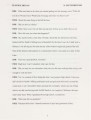
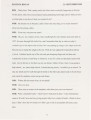
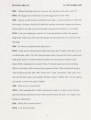
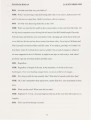
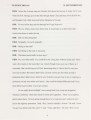
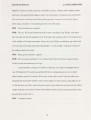
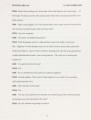
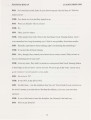
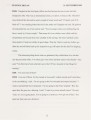
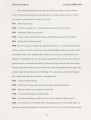
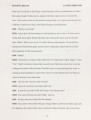
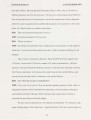
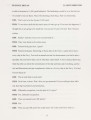
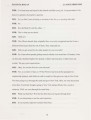
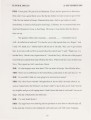
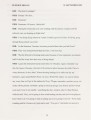
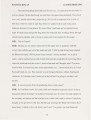
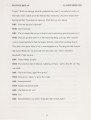
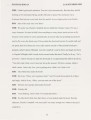
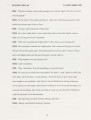
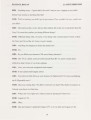
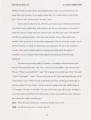
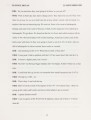
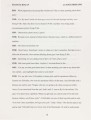
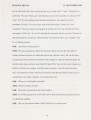
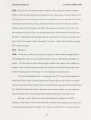
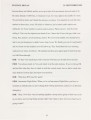
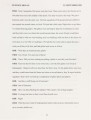
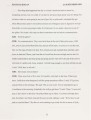
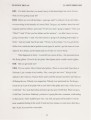
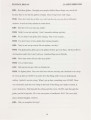
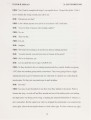
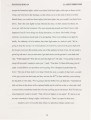
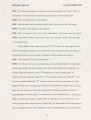
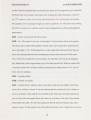
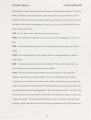
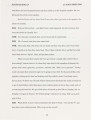
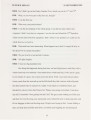
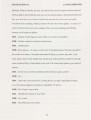
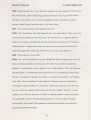
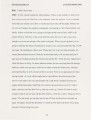
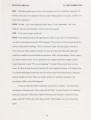
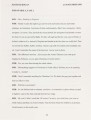
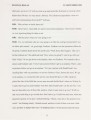
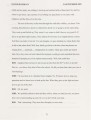
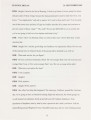
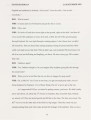
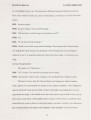
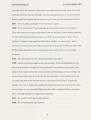
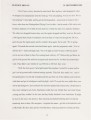
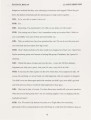
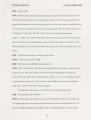
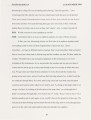
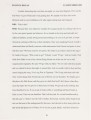
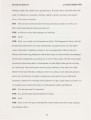
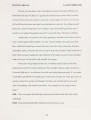
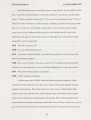
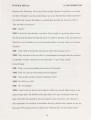
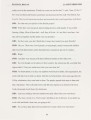
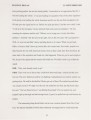
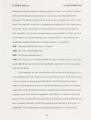
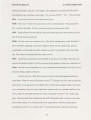
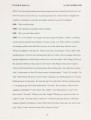
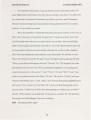
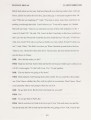
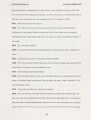
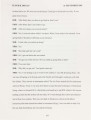
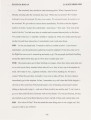
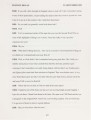
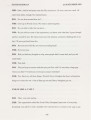
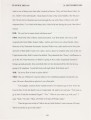
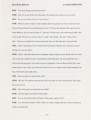
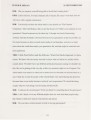
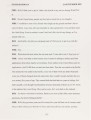
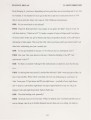
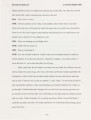
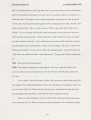
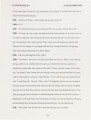
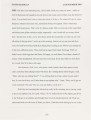
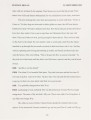
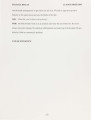
Show FLOYD H. HOGAN 21 PT MB R2002 FHH: Giant One and Two. I don't know the sequence or what happ ned with the Giant One, but the story, and it's interesting, just here about two weeks ago on Ollie North s War Stories, he told the story of Salemo beachhead, and they had pictures official pictures, which I learned more then than I ever knew before. BJB: Yes, you can always get the bigger picture now. FHH: The whole picture. But what happened, they were pinned down. They were on the beach and they couldn't get off of the beach. The Germans were on high ground above them in the mountains and had them pinned down and they ordered the 82°d in there as reinforcements. A couple other troops, one other troop carrier group had taken in on Giant One, apparently. On the day of Giant Two, it was late in the afternoon. BJB: This is the one you're with? FHH: Yes. Late in the afternoon we got a call that they had some paratroopers left over down at Comiso, right there on Sicily, just a few miles away, and they needed nine airplanes. So immediately we put together a crew of nine airplanes. That's the formation that they finally, everybody pretty much agreed with. So I was leading an element here. Bonsac was leading the squadron and Tappan, our squadron commander, was flying his wing. Okay, when we landed at Comiso, Bonsac's airplane went out of commission. Cartwright's airplane, number five, taxied into a bomb crater and one wheel down and he's out. Fred Evans airplane didn't check out, the mags wouldn't check out, so three airplanes out of the nine were gone. Normally we hauled eighteen troopers and maybe two parabundles, which were fastened underneath the C-4 7 and could be dropped electronically, like a bomb. These parapacks contained the machine guns and heavy ammunition stuff for the troops. 63 |
| Reference URL |
https://collections.lib.utah.edu/ark:/87278/s6b29xct/1031221 |