| Title |
Edwin J. Johnson, Springville, Utah: an interview by Benjamin Bahlmann, February 8, 2002: Saving the Legacy tape nos. 489 & 490 |
| Alternative Title |
Edwin J. Johnson, Saving the legacy: an oral history of Utah's World War II veterans, ACCN 2070, American West Center, University of Utah |
| Creator |
Johnson, Edwin J., 1924-2011 |
| Contributor |
University of Utah. American West Center; Bahlmann, Benjamin J. |
| Publisher |
Digitized by J. Willard Marriott Library, University of Utah |
| Date |
2002-02-08 |
| Date Digital |
2015-12-16 |
| Access Rights |
I acknowledge and agree that all information I obtain as a result of accessing any oral history provided by the University of Utah's Marriott Library shall be used only for historical or scholarly or academic research purposes, and not for commercial purposes. I understand that any other use of the materials is not authorized by the University of Utah and may exceed the scope of permission granted to the University of Utah by the interviewer or interviewee. I may request permission for other uses, in writing to Special Collections at the Marriott Library, which the University of Utah may choose grant, in its sole discretion. I agree to defend, indemnify and hold the University of Utah and its Marriott Library harmless for and against any actions or claims that relate to my improper use of materials provided by the University of Utah. |
| Spatial Coverage |
New Caledonia; Guadalcanal; New Guinea; Philippines; Japan |
| Subject |
Johnson, Edwin J., 1924-2011--Interviews; Veterans--Utah--Biography; World War, 1939-1945--Personal narratives, American; World War, 1939-1945--Military operations, American; World War, 1939-1945--Campaigns--Pacific Area--Personal narratives, American |
| Description |
Transcript (120 pages) of an interview by Benjamin Bahlmann with Edwin J. Johnson on February 8, 2002. From tape numbers 489 and 490 in the "Saving the Legacy" Oral History Project |
| Collection Number and Name |
Accn2070, Saving the Legacy oral history project, 2001-2010 |
| Abstract |
Johnson (b. 1924) describes his childhood in Springville, Utah, and being inducted into the Army. He was sent to New Caledonia in December 1943 and shortly thereafter went to Guadalcanal as a replacement in the 43rd Infantry Division. He also served in New Guinea and the Philippines, as well as being part of the occupation force in Japan. Interviewed by Benjamin Bahlmann. 120 pages. |
| Type |
Text |
| Genre |
oral histories (literary works) |
| Format |
application/pdf |
| Extent |
120 pages |
| Language |
eng |
| Rights |
 |
| Scanning Technician |
Mazi Rakhsha |
| Conversion Specifications |
Original scanned with Kirtas 2400 and saved as 400 ppi uncompressed TIFF. PDF generated by Adobe Acrobat Pro X for CONTENTdm display |
| ARK |
ark:/87278/s6ht4rdf |
| Topic |
Personal narratives--American; Veterans; World War (1939-1945) |
| Setname |
uum_slohp |
| ID |
1029984 |
| Reference URL |
https://collections.lib.utah.edu/ark:/87278/s6ht4rdf |
| Title |
Page 15 |
| Format |
application/pdf |
| Setname |
uum_slohp |
| ID |
1029878 |
| OCR Text |
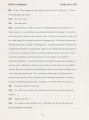
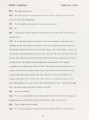
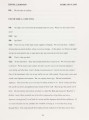
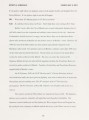
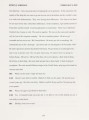
Show EDWIN J. JOHN ON BRU R 2002 EJJ: In that way. But I don't remember of anything that we couldn t buy ntually. If we needed hoes, we had to go to the Rationing Board and get a tamp to go om plac to buy tho e. Sugar, we had to have rationing stamps to buy that and tuff like that too. BB: Did you father ever work for stamps? Did people participate in that kind of trading? EJJ: No, they needed their stamps for themselves. [Editor's note: Ration stamps were obtained from one of over 5,550 local rationing boards staffed by local citizens of good character. Selling rationed items on the "black market" for higher prices without ration stamps happened was illegal and punishable. After issue, ration stamps were only valid for a short period of time. The rapid expiration date prevented stamp-hoarding and the use of ration stamps for currency. ] Then there was a lot of (defense industry-related) work so things started changing during the war. A lot of people went to Geneva to work and to work at other places. Before that, the biggest industry in Springville was road contractors, road builders. There was W. W. Clyde. There was Strong & Grant. There was Jim Sumption(?), Whiting & Haymond(?). At one time, Springville was more noted for road contractors than any other place in Utah. We had more road contractors here. BB: Sure, I interviewed a Grant-- EJ J: Grant Richens? BB: Grant Richens. EJJ: He married a Strong girl. Then they went-- During the war, Strong Company was Strong & Grant. They sold out to Ryberg. It was an outfit out at Geneva. Then after the war, when the boys came back, Grants went their way and the Strongs went their direction. Strong stayed here and Joe Grant and his two boys went to Idaho. BB: Being in business, you knew everybody else's businesses, I imagine. 15 |
| Reference URL |
https://collections.lib.utah.edu/ark:/87278/s6ht4rdf/1029878 |