| Title |
Edwin J. Johnson, Springville, Utah: an interview by Benjamin Bahlmann, February 8, 2002: Saving the Legacy tape nos. 489 & 490 |
| Alternative Title |
Edwin J. Johnson, Saving the legacy: an oral history of Utah's World War II veterans, ACCN 2070, American West Center, University of Utah |
| Creator |
Johnson, Edwin J., 1924-2011 |
| Contributor |
University of Utah. American West Center; Bahlmann, Benjamin J. |
| Publisher |
Digitized by J. Willard Marriott Library, University of Utah |
| Date |
2002-02-08 |
| Date Digital |
2015-12-16 |
| Access Rights |
I acknowledge and agree that all information I obtain as a result of accessing any oral history provided by the University of Utah's Marriott Library shall be used only for historical or scholarly or academic research purposes, and not for commercial purposes. I understand that any other use of the materials is not authorized by the University of Utah and may exceed the scope of permission granted to the University of Utah by the interviewer or interviewee. I may request permission for other uses, in writing to Special Collections at the Marriott Library, which the University of Utah may choose grant, in its sole discretion. I agree to defend, indemnify and hold the University of Utah and its Marriott Library harmless for and against any actions or claims that relate to my improper use of materials provided by the University of Utah. |
| Spatial Coverage |
New Caledonia; Guadalcanal; New Guinea; Philippines; Japan |
| Subject |
Johnson, Edwin J., 1924-2011--Interviews; Veterans--Utah--Biography; World War, 1939-1945--Personal narratives, American; World War, 1939-1945--Military operations, American; World War, 1939-1945--Campaigns--Pacific Area--Personal narratives, American |
| Description |
Transcript (120 pages) of an interview by Benjamin Bahlmann with Edwin J. Johnson on February 8, 2002. From tape numbers 489 and 490 in the "Saving the Legacy" Oral History Project |
| Collection Number and Name |
Accn2070, Saving the Legacy oral history project, 2001-2010 |
| Abstract |
Johnson (b. 1924) describes his childhood in Springville, Utah, and being inducted into the Army. He was sent to New Caledonia in December 1943 and shortly thereafter went to Guadalcanal as a replacement in the 43rd Infantry Division. He also served in New Guinea and the Philippines, as well as being part of the occupation force in Japan. Interviewed by Benjamin Bahlmann. 120 pages. |
| Type |
Text |
| Genre |
oral histories (literary works) |
| Format |
application/pdf |
| Extent |
120 pages |
| Language |
eng |
| Rights |
 |
| Scanning Technician |
Mazi Rakhsha |
| Conversion Specifications |
Original scanned with Kirtas 2400 and saved as 400 ppi uncompressed TIFF. PDF generated by Adobe Acrobat Pro X for CONTENTdm display |
| ARK |
ark:/87278/s6ht4rdf |
| Topic |
Personal narratives--American; Veterans; World War (1939-1945) |
| Setname |
uum_slohp |
| ID |
1029984 |
| Reference URL |
https://collections.lib.utah.edu/ark:/87278/s6ht4rdf |
| Title |
Page 12 |
| Format |
application/pdf |
| Setname |
uum_slohp |
| ID |
1029875 |
| OCR Text |
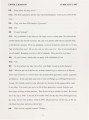
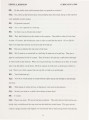
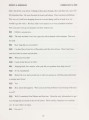
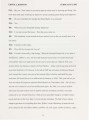
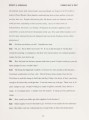
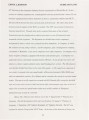
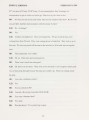
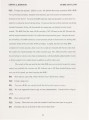
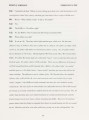
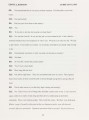
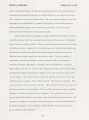
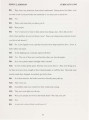
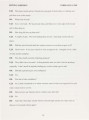
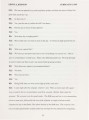
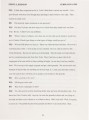
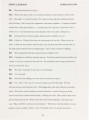
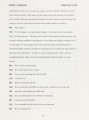
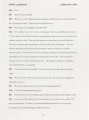
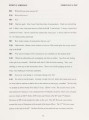
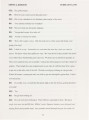
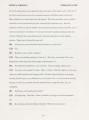
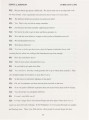
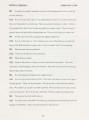
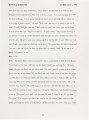
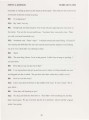
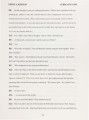
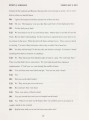
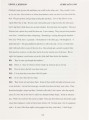
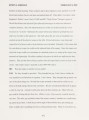
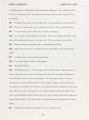
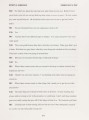
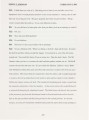
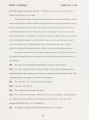
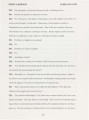
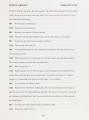
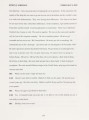
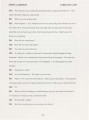
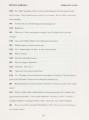
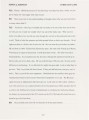
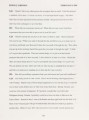
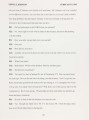
Show EDWIN J. JOHNSON 2002 oils and fat , meat, lard, cheese butter, proces ed food , etc, began in the Ll within a month of Pearl Harbor. Most families could only buy three to four gallon of ga per week for their car. People with priority jobs, like doctors and war indu try worker could get more, depending on their priority rating. Access to other form of transportation, like trains, was limited. Production of consumer appliances and automobiles ceased entirely for the duration of the war. Tires and rubber products were the first items rationed because the Japanese had overrun the Southeast Asian rubber plantations.] BB: Did that start before you left? I should know that. EJJ: Oh, yes. See, I didn't leave until '43. It was in the first part of '42 that they started the rationing. It cramped us, but there were always places we could get gasoline stamps, but tires were hard to get. BB: How did your tire business operate under that system? People would give you the ration stamps for tires, wouldn't they? EJJ: The thing that happened would be, we'd have few tires actually at the business. Customers would come in to buy a tire. They'd bring a ration stamp to buy the tire. We'd have to send that stamp to Salt Lake and they'd ship a tire down, if they were lucky enough to be where they could get that. It was the same way with gas. There were A, B and C stamps on cars. People would get a couple of gallons a month if they had an A stamp. C's would get more. T stamps were for truckers. T stamps got five gallons per stamp. BB: How would your father get other supplies for the business? EJJ: Other supplies weren't that hard to get. For him it was mainly the tires and inner tubes. My father went into vulcanizing tires, fixing breaks in them and doing repairs. 12 |
| Reference URL |
https://collections.lib.utah.edu/ark:/87278/s6ht4rdf/1029875 |