| Title |
Edwin J. Johnson, Springville, Utah: an interview by Benjamin Bahlmann, February 8, 2002: Saving the Legacy tape nos. 489 & 490 |
| Alternative Title |
Edwin J. Johnson, Saving the legacy: an oral history of Utah's World War II veterans, ACCN 2070, American West Center, University of Utah |
| Creator |
Johnson, Edwin J., 1924-2011 |
| Contributor |
University of Utah. American West Center; Bahlmann, Benjamin J. |
| Publisher |
Digitized by J. Willard Marriott Library, University of Utah |
| Date |
2002-02-08 |
| Date Digital |
2015-12-16 |
| Access Rights |
I acknowledge and agree that all information I obtain as a result of accessing any oral history provided by the University of Utah's Marriott Library shall be used only for historical or scholarly or academic research purposes, and not for commercial purposes. I understand that any other use of the materials is not authorized by the University of Utah and may exceed the scope of permission granted to the University of Utah by the interviewer or interviewee. I may request permission for other uses, in writing to Special Collections at the Marriott Library, which the University of Utah may choose grant, in its sole discretion. I agree to defend, indemnify and hold the University of Utah and its Marriott Library harmless for and against any actions or claims that relate to my improper use of materials provided by the University of Utah. |
| Spatial Coverage |
New Caledonia; Guadalcanal; New Guinea; Philippines; Japan |
| Subject |
Johnson, Edwin J., 1924-2011--Interviews; Veterans--Utah--Biography; World War, 1939-1945--Personal narratives, American; World War, 1939-1945--Military operations, American; World War, 1939-1945--Campaigns--Pacific Area--Personal narratives, American |
| Description |
Transcript (120 pages) of an interview by Benjamin Bahlmann with Edwin J. Johnson on February 8, 2002. From tape numbers 489 and 490 in the "Saving the Legacy" Oral History Project |
| Collection Number and Name |
Accn2070, Saving the Legacy oral history project, 2001-2010 |
| Abstract |
Johnson (b. 1924) describes his childhood in Springville, Utah, and being inducted into the Army. He was sent to New Caledonia in December 1943 and shortly thereafter went to Guadalcanal as a replacement in the 43rd Infantry Division. He also served in New Guinea and the Philippines, as well as being part of the occupation force in Japan. Interviewed by Benjamin Bahlmann. 120 pages. |
| Type |
Text |
| Genre |
oral histories (literary works) |
| Format |
application/pdf |
| Extent |
120 pages |
| Language |
eng |
| Rights |
 |
| Scanning Technician |
Mazi Rakhsha |
| Conversion Specifications |
Original scanned with Kirtas 2400 and saved as 400 ppi uncompressed TIFF. PDF generated by Adobe Acrobat Pro X for CONTENTdm display |
| ARK |
ark:/87278/s6ht4rdf |
| Topic |
Personal narratives--American; Veterans; World War (1939-1945) |
| Setname |
uum_slohp |
| ID |
1029984 |
| Reference URL |
https://collections.lib.utah.edu/ark:/87278/s6ht4rdf |
| Title |
Page 11 |
| Format |
application/pdf |
| Setname |
uum_slohp |
| ID |
1029874 |
| OCR Text |
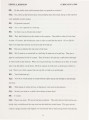
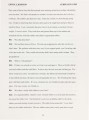
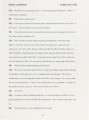
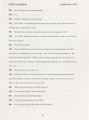
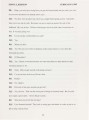
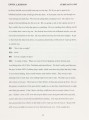
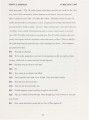
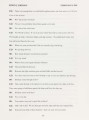
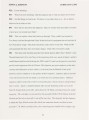
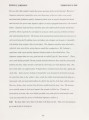
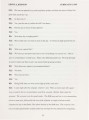
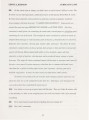
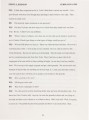
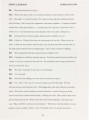
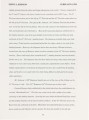
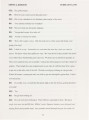
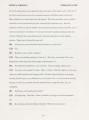
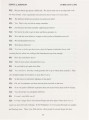
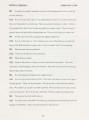
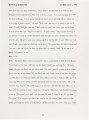
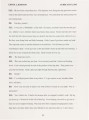
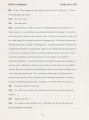
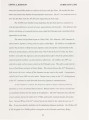
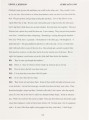
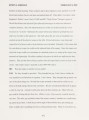
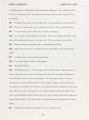
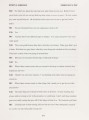
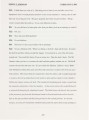
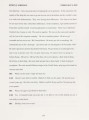
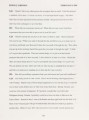
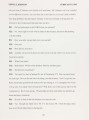
Show EDWIN J. JOHN ON F BRU R 2002 EJJ: Oh, ye . Now, there're new men right up where they' re hooting and firing. But back then ome time would go by before we'd hear anything about thing that happened. BB: Do you remember the Sunday that Pearl Harbor wa attacked? EJJ: Yes. BB: What were you doing that Sunday afternoon? EJJ: I was just around the house. Then this news came on. BB: Did somebody come around the house and tell you or did you actually hear it on the radio? EJJ: I heard it on the radio. BB: How did that change life for you? EJJ: It wasn't necessarily a big change. When the National Guard left, it was quite a bit different. [Editor's note: All the Utah National Guard units were federalized and activated for what was supposed to be one year's active duty on 3 March 1941, nine months before the Japanese attacks on Pearl Harbor. Along with the passing of the first peacetime draft law in US history in the fall of 1940, the activation of National Guard units around the country was part of last minute effort to bolster and build the puny peacetime US armed forces to a million men by January of 1942. This goal had not yet been met when the Japanese attacked Pearl Harbor on 7 December 1941. The US entry into the war resulted in an all out mobilization effort. By 1945, over sixteen million American men and women were in uniform and tens of millions of others were fully employed in war related industries.] But as far as any other changes, we didn't notice much until later in the war, then we went onto the rationing. We had to have (ration) stamp to get shoes or everything else, tires. [Editor's note: Rationing of materials and items critical to the war effort, rubber, gasoline, oil, coal, sugar, leather products, coffee, 11 |
| Reference URL |
https://collections.lib.utah.edu/ark:/87278/s6ht4rdf/1029874 |