| Title |
Edwin J. Johnson, Springville, Utah: an interview by Benjamin Bahlmann, February 8, 2002: Saving the Legacy tape nos. 489 & 490 |
| Alternative Title |
Edwin J. Johnson, Saving the legacy: an oral history of Utah's World War II veterans, ACCN 2070, American West Center, University of Utah |
| Creator |
Johnson, Edwin J., 1924-2011 |
| Contributor |
University of Utah. American West Center; Bahlmann, Benjamin J. |
| Publisher |
Digitized by J. Willard Marriott Library, University of Utah |
| Date |
2002-02-08 |
| Date Digital |
2015-12-16 |
| Access Rights |
I acknowledge and agree that all information I obtain as a result of accessing any oral history provided by the University of Utah's Marriott Library shall be used only for historical or scholarly or academic research purposes, and not for commercial purposes. I understand that any other use of the materials is not authorized by the University of Utah and may exceed the scope of permission granted to the University of Utah by the interviewer or interviewee. I may request permission for other uses, in writing to Special Collections at the Marriott Library, which the University of Utah may choose grant, in its sole discretion. I agree to defend, indemnify and hold the University of Utah and its Marriott Library harmless for and against any actions or claims that relate to my improper use of materials provided by the University of Utah. |
| Spatial Coverage |
New Caledonia; Guadalcanal; New Guinea; Philippines; Japan |
| Subject |
Johnson, Edwin J., 1924-2011--Interviews; Veterans--Utah--Biography; World War, 1939-1945--Personal narratives, American; World War, 1939-1945--Military operations, American; World War, 1939-1945--Campaigns--Pacific Area--Personal narratives, American |
| Description |
Transcript (120 pages) of an interview by Benjamin Bahlmann with Edwin J. Johnson on February 8, 2002. From tape numbers 489 and 490 in the "Saving the Legacy" Oral History Project |
| Collection Number and Name |
Accn2070, Saving the Legacy oral history project, 2001-2010 |
| Abstract |
Johnson (b. 1924) describes his childhood in Springville, Utah, and being inducted into the Army. He was sent to New Caledonia in December 1943 and shortly thereafter went to Guadalcanal as a replacement in the 43rd Infantry Division. He also served in New Guinea and the Philippines, as well as being part of the occupation force in Japan. Interviewed by Benjamin Bahlmann. 120 pages. |
| Type |
Text |
| Genre |
oral histories (literary works) |
| Format |
application/pdf |
| Extent |
120 pages |
| Language |
eng |
| Rights |
 |
| Scanning Technician |
Mazi Rakhsha |
| Conversion Specifications |
Original scanned with Kirtas 2400 and saved as 400 ppi uncompressed TIFF. PDF generated by Adobe Acrobat Pro X for CONTENTdm display |
| ARK |
ark:/87278/s6ht4rdf |
| Topic |
Personal narratives--American; Veterans; World War (1939-1945) |
| Setname |
uum_slohp |
| ID |
1029984 |
| Reference URL |
https://collections.lib.utah.edu/ark:/87278/s6ht4rdf |
| Title |
Page 8 |
| Format |
application/pdf |
| Setname |
uum_slohp |
| ID |
1029871 |
| OCR Text |
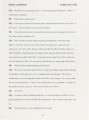
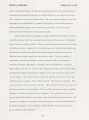
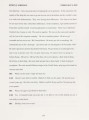
Show EDWIN J. JOHNSON F BR R 2002 Coast. The Geneva location on Utah Lake was cho en becau e it proximity to iron ore from Iron County, coal for coke from Carbon County, limestone for flux from quarrie m the nearby mountains, abundant water from the Utah Lake and rivers and a welldeveloped railroad network infrastructure that linked the raw material sources with the works and the works with their industrial customers. It cost the government $144,000,000 to construct the works. US Steel bought them from the government in 1946 for $47,500,000 and operated them for the next forty years. During that period, the Geneva Steel Plant was the basis of a major part of the Utah County economy. Foreign competition finally forced the US Steel to close the Geneva Works. They were sold to local interests in 1987. A portion of the works reopened as a specialty steel manufacturing operation and operated until 1999 when the works closed for good. The equipment was dismantled and sold, the buildings demolished and the land sold for development.] BB: Was that danger pay or--? EJJ: Some. BB: You were up on scaffolding, I guess? EJJ: Well, how they worked that, they'd start out reinforcing and go up. They had a derrick with four chain blocks and they'd lift it up on the inside. They had forms on the inside and another one that pulled around the outside. We'd pull the outside forms. They'd buckle them in and get it right and then bring the inside form in. Before that, they'd put in all the reinforcing steel and tie it in. We were down sending that up. Then when it was time to pour, we'd mix the cement and send it up in a bowl on a cable. It would be pulled up the middle. We'd go up and be dumping it into the forms when it came up. Sometimes we'd work up on the forms and sometimes we'd work down below. 8 |
| Reference URL |
https://collections.lib.utah.edu/ark:/87278/s6ht4rdf/1029871 |