| OCR Text |
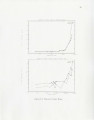
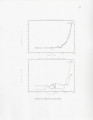
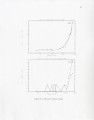
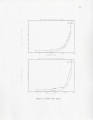
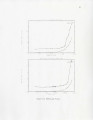
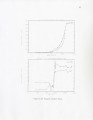
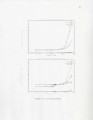
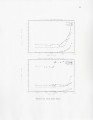
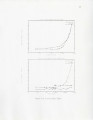
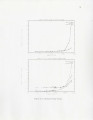
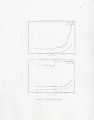
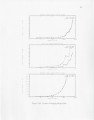
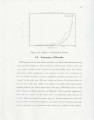
Show u Q• '" ESM : OJ)ject Update Time vs # Oicls 8 .-----~~~~--~~~~~.-----~~~~--~--~~~ 7 10 _______ .. ,/ 100 Number of Oids _.. . - same object ~ ,._ """"'of / +..,...,--J /l ;/ ,/i 1000 //;+ 10000 Figure 5.27. Update vs . Creating New Version 5.6 Summary of Results 86 ESM turned out to be quite robust and easy to use. l\!Iost of the features are very c,('l\'t'J llldkes it jJ('JfOI Ill hdLer cun1parcd to t he uLber POSs LesLed . Fur "ba.Lch" <~ pplicaL i oll S, huffer 111<UJ<tgemeuL is not important. In facL , it is a hinclerau ce in the c<ts(' of' 8SM . In L~.Sl\11, in order to manipulate an object, the object has to be "pin ned" i11 the buffer pool. This puts a limit 01.1 t be size of the largest object to Llw :-: iz(' or the hufh~ r pool. ESM moves obj ects in its bufTcr. This makes pointer sw izz ling clif6cult. F'or objects larger than a di sk page, ESM builds indi ces on top of LlH' object for ef6c i ("~ nt in se rtions allC! delet ions. T his is good for app lications t i~<tL twcd s11ch support , b11t for otl1crs, tb is is an unn ecessary price t hat bas to he paid. ESlVl uses Joggi ng Lo support recovery. For long traiJsactions, this leads to Jug overnow. ru r tJH~ l ll'lO re, Jogging is not a good recovery mechan ism for large objects, especially in an environm ent where objects are updated in their entirety. |